U.
HomeRegionsLanguagesEmotionsCollections
Find Your Word

“The limits of my language mean the limits of my world.”

— Ludwig Wittgenstein, Philosopher

Untranslatable

A curated collection of the world's most beautiful expressions—words that remind us language is humanity's greatest invention.

  • Home
  • Collections
  • Regions
  • Countries
  • Emotions
  • Tags
  • Contexts
  • Finder
  • Europe
  • Asia
  • Americas
  • Africa
  • Middle East
  • About
  • Contact
  • Privacy Policy
  • Terms of Service

2026 © Untranslatable. All rights reserved.

    /
    /
    1. Home
    2. /
    3. Europe
    4. /
    5. Śmigus-dyngus
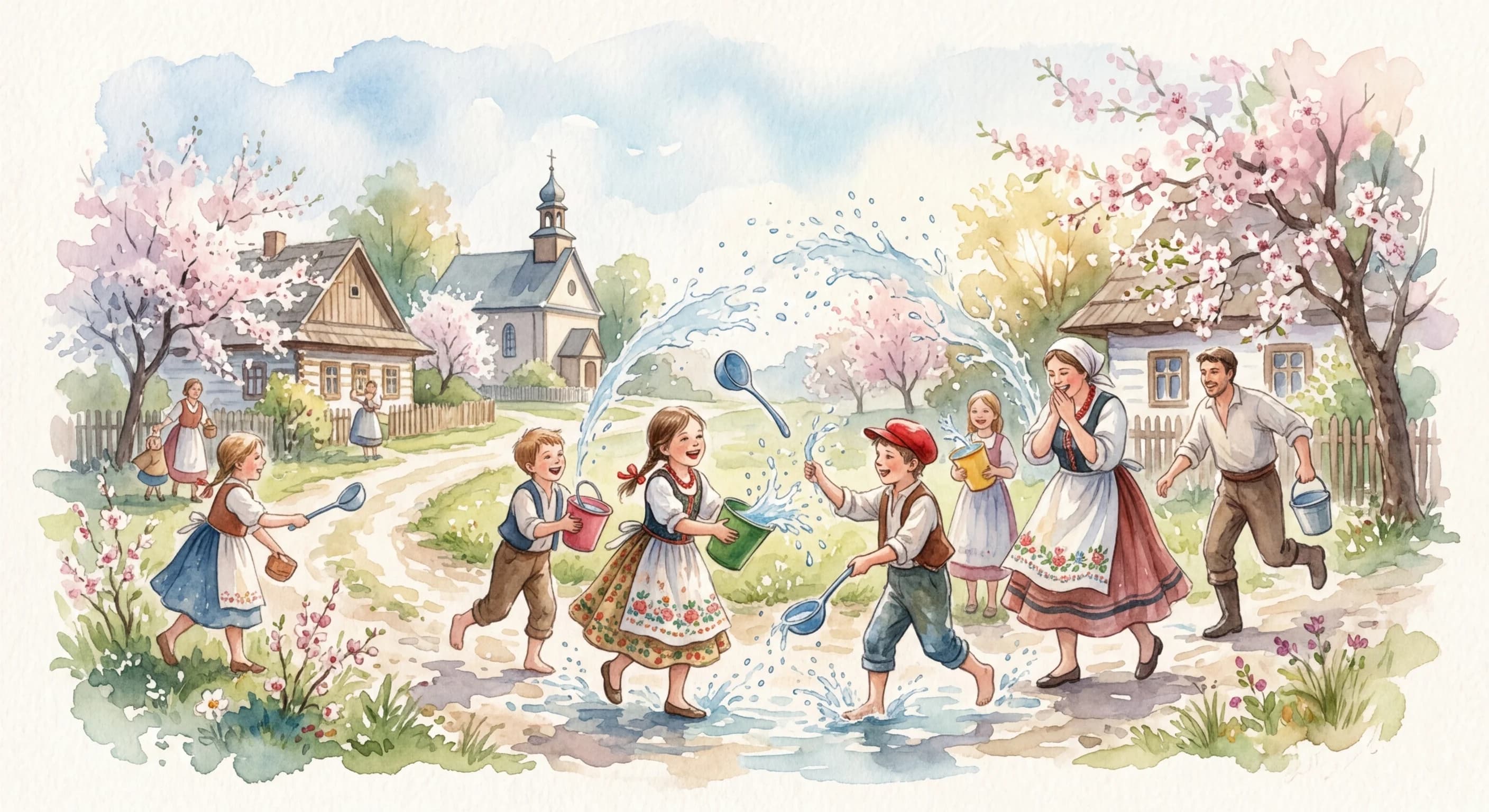
    Artistic representation of śmigus-dyngus
    Polish•
    🇵🇱Poland

    Śmigus-dyngus

    /SHMEE-goos DING-goos/

    Meaning

    Śmigus-dyngus is a vibrant Polish tradition observed on Easter Monday, where people joyfully drench each other with water. This boisterous celebration transcends a mere water fight; it's a deeply ingrained cultural ritual symbolizing purification, renewal, and the exuberant welcoming of spring after the long, cold winter. The splashing of water is believed to bring good fortune, health, and fertility, transforming a simple act into a communal expression of hope and revitalized life.

    Literal Translation

    Wet Monday

    The Story Behind the Word

    The roots of Śmigus-dyngus stretch back to ancient Slavic pagan rites celebrating the spring equinox and the awakening of nature. Water, a symbol of life, purification, and fertility, was central to these rituals. With the advent of Christianity, these pagan customs were syncretized with Easter, becoming an integral part of the post-Lenten festivities. The 'śmigus' aspect historically involved symbolic whipping with pussy willow branches, while 'dyngus' referred to going door-to-door for treats, often accompanied by water splashing. Today, it reveals a Polish worldview that values tradition, communal joy, and a playful connection to the cycles of nature, embracing both ancient beliefs and Christian observances in a uniquely spirited way.

    Experience It

    Morning Ambush

    Little Ania, armed with a bucket, waited patiently behind the door. As her older brother Piotr stumbled out of his room, still half-asleep, she let out a triumphant shriek and launched the icy water, ensuring his Śmigus-dyngus initiation was complete with a gasp and a laugh.

    Street Celebration

    The town square was a chaotic symphony of laughter and splashing. Teenagers chased each other with super soakers, while younger children giggled as their parents gently sprinkled them. Strangers exchanged playful dousings, a shared moment of communal joy making the chilly water feel surprisingly warm.

    The Deeper Meaning

    Śmigus-dyngus embodies a profound connection to the cyclical nature of life, expressing a cultural belief in purification and rebirth. It highlights how playfulness and communal rituals can serve as powerful conduits for collective hope and the affirmation of life's regenerative forces, bridging ancient nature worship with modern festivity.

    Did You Know?

    Historically, Śmigus-dyngus was also a custom where boys would visit girls' homes, dousing them with water and sometimes demanding payment (dyngus) to cease the drenching!

    How It's Used

    Celebrated annually on Easter Monday in Poland. People, especially children, throw water at each other in homes, parks, and streets.

    Emotions
    joy,warmth
    Contexts
    celebration,family,friendship,seasons
    🇵🇱Poland

    by Annelise Dubois·Written Mar 10, 2026·Updated Apr 3, 2026

    Related Words

    Explore more
    HyggeDanish

    Hygge is more than mere coziness; it's a holistic embrace of comfort, warmth, and belonging that nourishes the soul. It describes the intentional creation of an intimate atmosphere where simple pleasures, genuine connection, and mindful presence converge, fostering a profound sense of contentment and well-being. It's about finding joy and peace in the small, everyday moments, often shared with loved ones.

    SaudadePortuguese

    Saudade encapsulates a profound, melancholic longing for something or someone cherished that is absent, often with the bittersweet knowledge that it may never return. It's a deep emotional state tinged with nostalgia, evoking a sense of loss for past experiences, places, or people, yet also holding a tender appreciation for the beauty of what once was. This yearning is not merely sadness, but a complex tapestry of desire, memory, and a poignant acceptance of absence, holding the beloved in a warm, persistent embrace within the heart.

    GezelligDutch

    Gezellig encapsulates a profound sense of warmth, belonging, and convivial comfort, extending beyond mere coziness to embrace the social and emotional atmosphere. It's the feeling of being truly at ease, surrounded by good company, laughter, and a shared sense of contentment. This untranslatable term describes not just a physical space, but a holistic experience where time seems to slow down, fostering genuine connection and a deep sense of well-being.

    Dolce far nienteItalian

    Dolce far niente captures the profound joy and effortless pleasure derived from simply existing without obligation or purpose. It's the art of savoring moments of pure, unadulterated idleness – lying in the sun, watching the clouds drift, or enjoying a leisurely coffee – not as a break from work, but as a valuable state in itself. This 'sweetness of doing nothing' is a conscious embrace of stillness and contentment, allowing the soul to breathe and the senses to fully engage with the present.