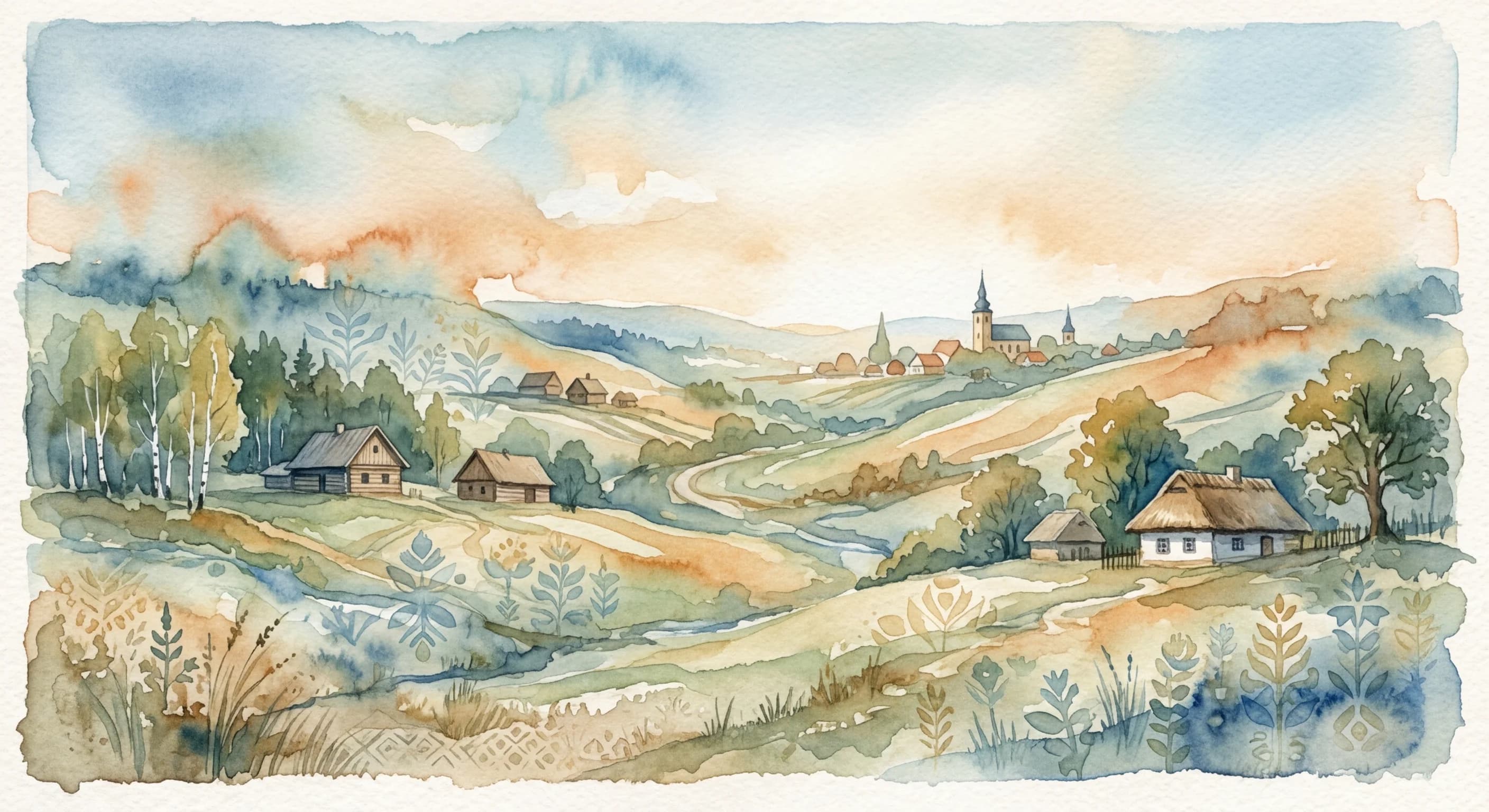
Rzeczpospolita
/zhets-po-spoh-LEE-tah/
Meaning
Rzeczpospolita transcends a mere translation of 'republic' or 'commonwealth'; it embodies the very soul of the Polish state, imbued with a profound historical and civic consciousness. It evokes the noble ideal of a 'public thing' or 'common good,' where the collective welfare and the consent of its citizens are paramount. This term harks back to the golden age of the Polish-Lithuanian Commonwealth, a multi-ethnic, multi-religious entity governed by an elected monarch and a powerful nobility, symbolizing a unique experiment in self-governance and shared responsibility.
Literal Translation
Thing-commonwealth / Realm-republic
The Story Behind the Word
The concept of Rzeczpospolita is deeply etched into the Polish national psyche, originating from the Latin 'res publica.' It emerged during the late Middle Ages and flourished with the establishment of the Polish-Lithuanian Commonwealth in 1569, a political entity celebrated for its 'Golden Liberty' – a system granting extensive rights and privileges to the nobility, including the right to elect their king. This period fostered a strong tradition of civic engagement and a sense of shared ownership over the state, where citizens (primarily the nobility, Szlachta) saw themselves as guardians of the 'common good.' Even after the partitions of Poland, the ideal of Rzeczpospolita remained a powerful symbol of Polish sovereignty and a rallying cry for independence. It reveals a historical Polish worldview that values collective self-governance, legal rights, and a commitment to the 'public thing' above dynastic rule, even if the practical application was often imperfect and exclusive.
Experience It
Debate on National Identity
During a heated discussion about Poland's future, a politician passionately declared, 'We must never forget the spirit of the Rzeczpospolita! Our nation is built on the shared responsibility of its citizens, not just the whims of a few.' She emphasized the historical commitment to collective welfare.
Teaching History
A history teacher explained to her students, 'When we speak of the First Rzeczpospolita, we're not just talking about a country; we're talking about a unique political experiment where the nobility, through their Sejm, actively shaped the laws and elected their leader. It was a bold vision of shared governance.'
The Deeper Meaning
Rzeczpospolita embodies a profound political philosophy centered on the 'public good' and the active participation of citizens in governance. It reflects a worldview where the state is not the property of a monarch but a collective enterprise, demanding civic virtue, legalism, and a commitment to shared destiny. This ideal, though historically imperfect in its inclusiveness, championing a form of republicanism long before many other European nations, highlighting a deep-seated belief in self-determination and collective responsibility.
Did You Know?
The official name of modern-day Poland is 'Rzeczpospolita Polska,' directly translating to 'Republic of Poland,' showcasing the enduring legacy and historical continuity of this powerful term.
How It's Used
Used historically and formally to refer to the Polish state, especially the Polish-Lithuanian Commonwealth, and modern-day Poland.