Folwark
/FOL-vark/
Meaning
A "folwark" was more than just a farm; it was the engine of a specific socio-economic order in the Polish-Lithuanian Commonwealth, a self-contained agricultural estate owned by a nobleman. Its fields were tilled by serfs, bound to the land and subject to the lord's will, producing surplus grain primarily for export. This system solidified a rigid class structure, where the prosperity of the gentry was built upon the enforced labor of the peasantry, shaping the rural landscape and social dynamics for centuries.
Literal Translation
farmstead, manor farm
The Story Behind the Word
The folwark is deeply etched into the Polish historical consciousness, representing a pivotal institution that defined the "Golden Liberty" of the nobility and simultaneously the plight of the peasantry. It emerged strongly in the 16th century as Western Europe's demand for grain surged, leading Polish nobility to increase production by intensifying serf labor (the "second serfdom"). This economic model, while enriching the gentry and solidifying their political power within the Commonwealth, ultimately hindered industrial development and created deep social divisions that reverberated for generations. The word encapsulates a system of power, exploitation, and a specific agrarian worldview where land ownership equated to social status and political influence, profoundly shaping Polish identity and its relationship with its historical past.
Experience It
Inheriting the Folwark
Young Jan, newly returned from university, surveys the vast fields of his ancestral folwark. He feels the immense weight of tradition and expectation, knowing that the prosperity of his family, and the lives of the serfs, now rest on his shoulders to manage this complex agricultural enterprise.
Peasant Life on the Folwark
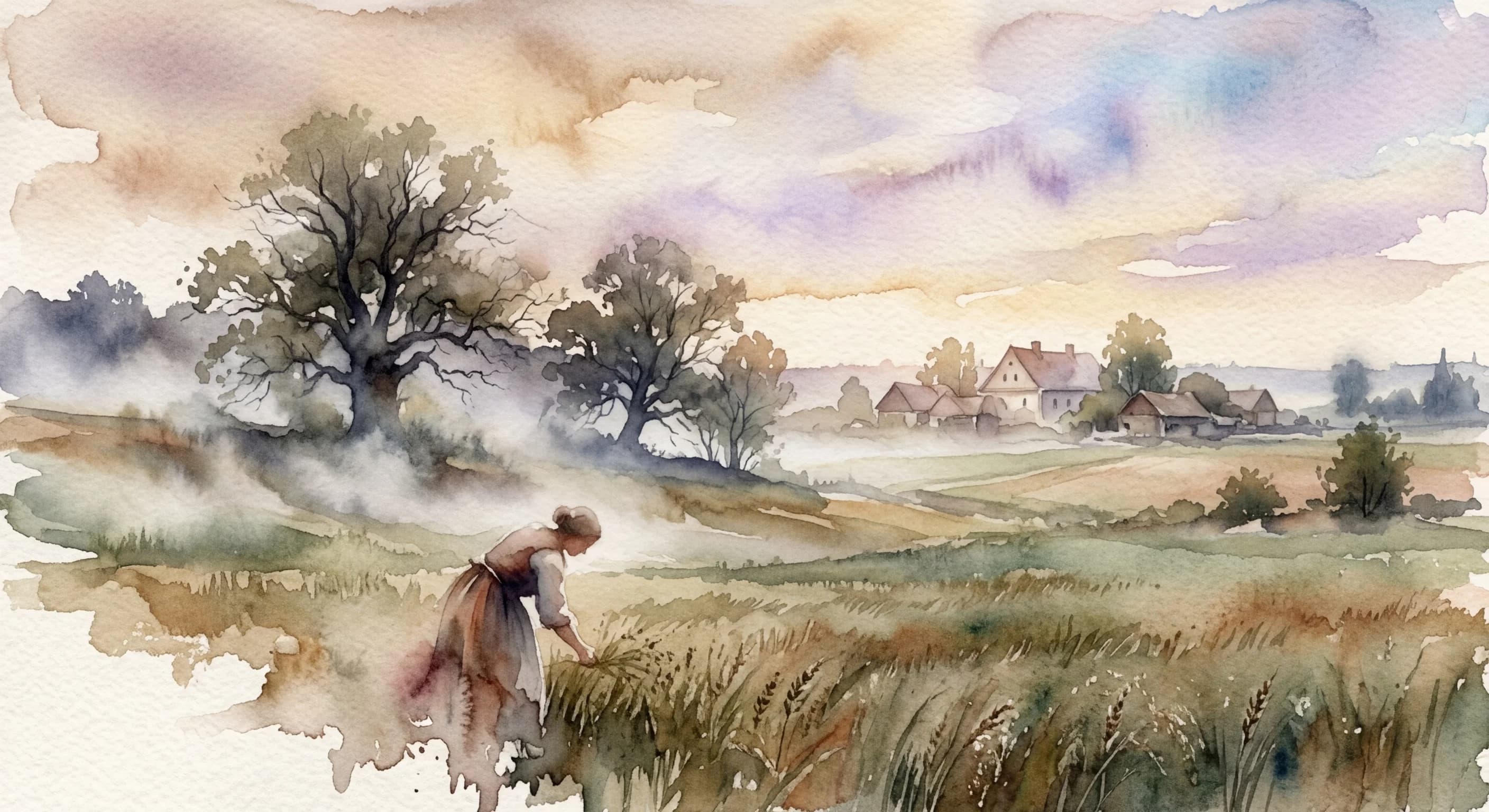
Maria toils in the folwark's rye fields under the watchful eye of the overseer, her back aching from dawn till dusk. She dreams of a day when her children might escape this inherited burden, but for now, her life is inextricably bound to the land and the demands of the lord.
The Deeper Meaning
The existence of the folwark reveals a worldview where land was not merely property, but the primary source of power, status, and social control. It embodies a philosophy where hierarchical order was seen as natural and divinely ordained, justifying the exploitation of one class for the benefit and perceived stability of the entire social structure, deeply influencing notions of justice and freedom within the Commonwealth.
Did You Know?
The folwark system was so dominant that Polish nobility often prioritized grain exports over developing domestic markets or industries, a factor many historians cite in Poland's later economic struggles.
How It's Used
The term 'folwark' is used to describe historical agricultural estates, particularly those common in the Polish-Lithuanian Commonwealth. It can refer to the physical estate itself or the system of agricultural production and labor organization associated with it. It is often used in historical, economic, and sociological contexts.