Przyśpiewka
/pshi-SHPEV-kah/
Meaning
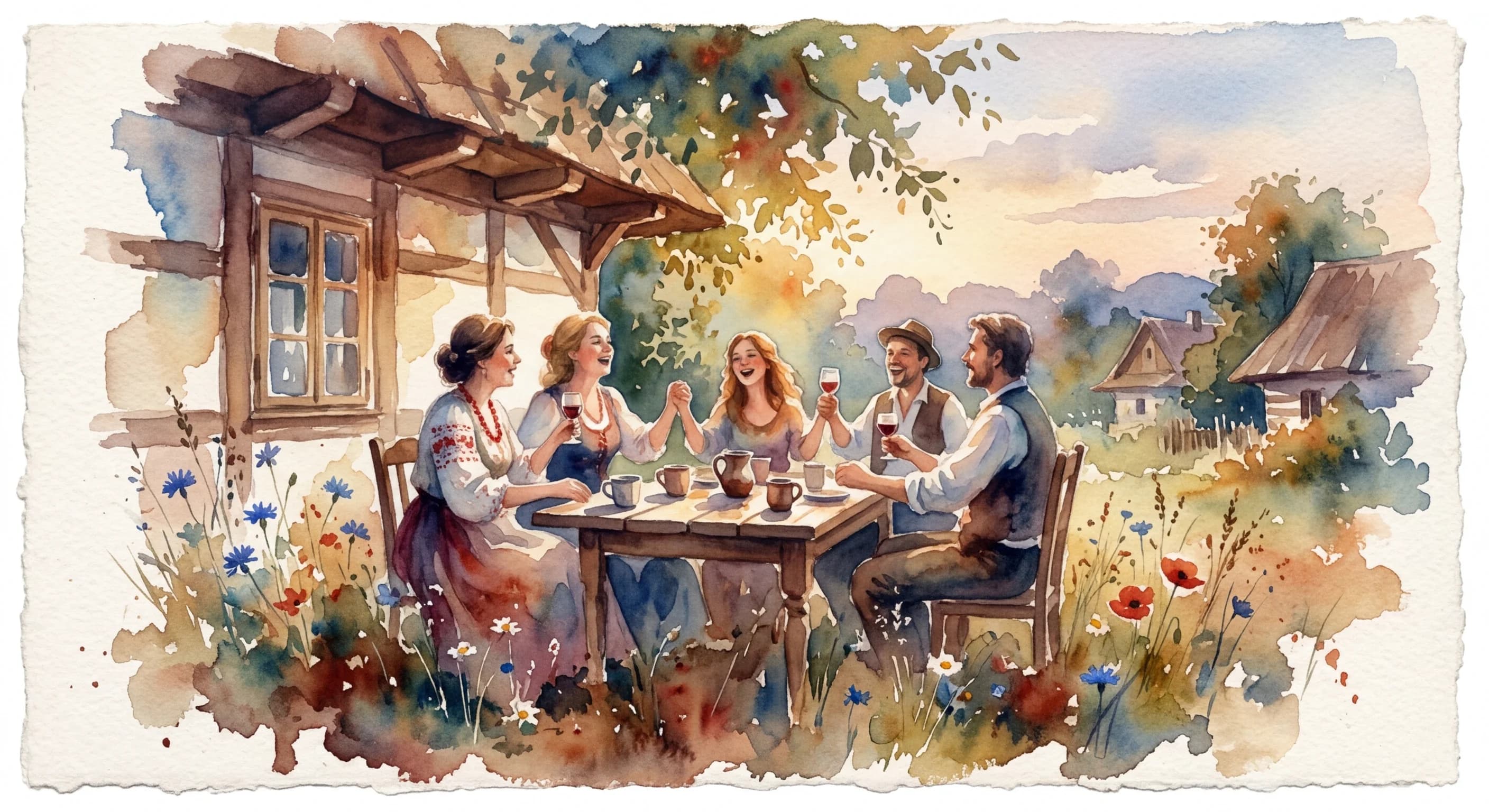
A "przyśpiewka" is a spirited, often spontaneous folk song or verse, typically brief and brimming with local flavor. It's not merely a sung phrase, but a vibrant, interactive form of communication, frequently improvised on the spot during communal gatherings, celebrations, or even during work. These lyrical interjections capture the immediate mood, often injecting humor, playful commentary, or expressing shared joy and camaraderie, serving as a lively, personal thread woven into the fabric of Polish folk traditions.
Literal Translation
little song
The Story Behind the Word
The "przyśpiewka" is deeply rooted in Poland's agrarian past and strong communal traditions. Before mass media, these short, memorable songs were a primary form of entertainment, social commentary, and emotional release during long days of field work, harvest festivals, weddings, and other village gatherings. Their improvisational nature allowed for immediate responses to events, people, or even flirtatious banter, fostering a sense of collective participation and reinforcing community bonds. It reveals a culture that values spontaneity, wit, and shared experience, where individual expression harmonizes with group solidarity. The ability to craft a clever "przyśpiewka" was, and in some rural areas still is, a sign of quick thinking and social grace, embodying the Polish spirit of resilience and finding joy amidst life's challenges.
Experience It
Wedding Dance Floor
During a lively Polish wedding reception, the bandleader suddenly pauses, then belts out a humorous "przyśpiewka" about the groom's shy dancing. The guests burst into laughter, encouraging the groom to loosen up, and another guest quickly responds with a witty verse about the bride's commanding presence.
Harvest Festival
As villagers gather to celebrate a successful harvest, an elderly woman starts a "przyśpiewka" praising the abundance of apples this year. Others join in, adding lines about the hard work, the good weather, and the delicious cider to come, creating a joyful, collective narrative of their shared labor and bounty.
The Deeper Meaning
The "przyśpiewka" embodies a philosophy of immediate, collective engagement and the power of shared narrative. It highlights the belief that life's moments, whether joyous or challenging, are best experienced and processed together, with humor, wit, and song. It underscores the value of present-moment awareness and the transformative power of spontaneous artistic expression within a community context.
Did You Know?
Some "przyśpiewki" were historically used as a form of social critique or even gossip, allowing people to comment on local affairs or individuals in a playful, indirect way during public gatherings.
How It's Used
Used to describe short, often improvised folk songs or verses sung during various social events, celebrations, or while working, especially in rural or folk contexts.