Byt
/bit/
Meaning
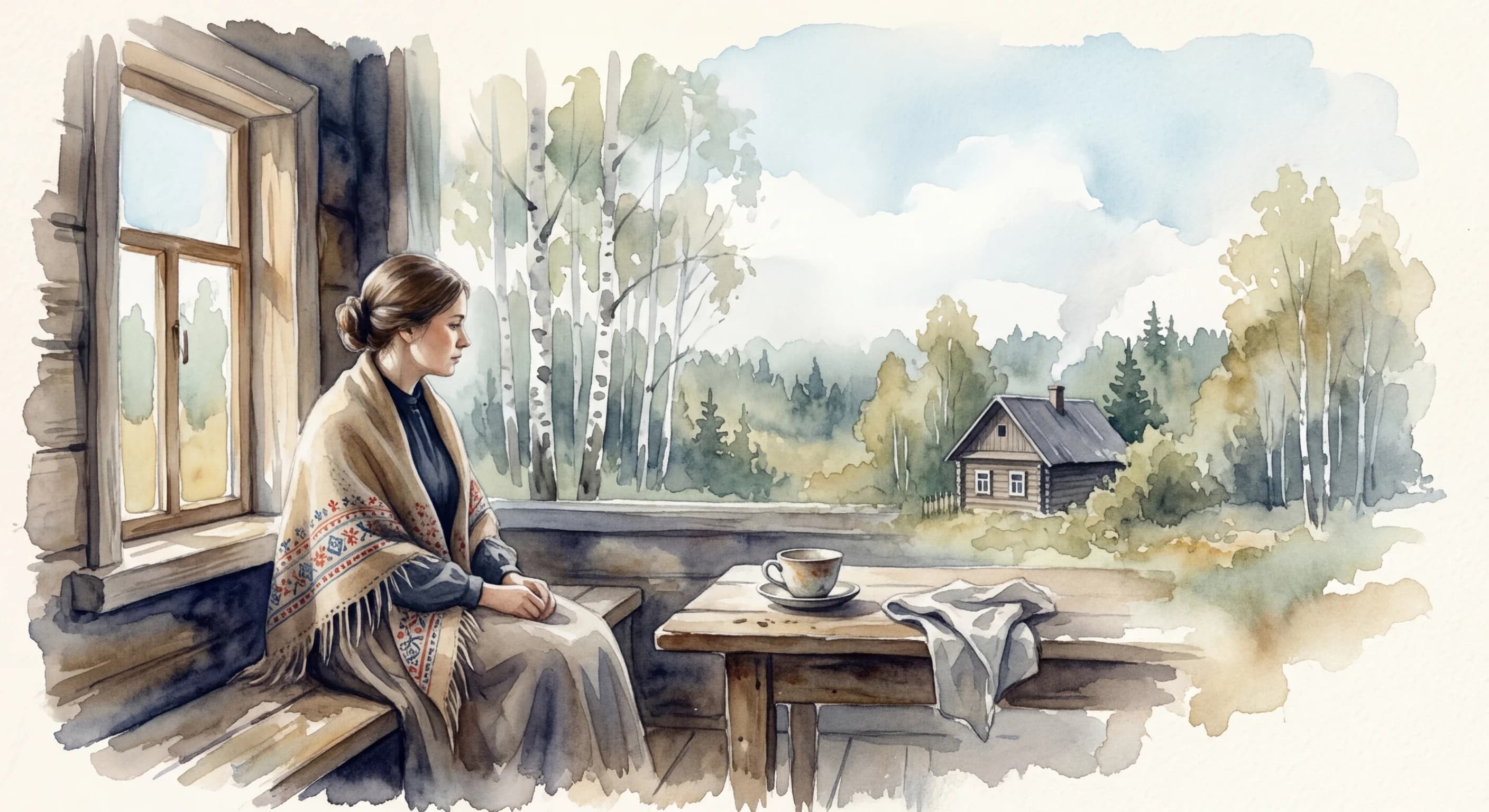
Byt encapsulates the relentless, often unglamorous cycle of daily existence – the chores, the bills, the routines that anchor life to the material world. It's the practical, sometimes suffocating, reality of cooking, cleaning, commuting, and navigating bureaucratic hurdles. This concept often carries a nuanced undertone of drudgery or spiritual stagnation, serving as a stark counterpoint to the pursuit of higher intellectual, artistic, or spiritual ideals, against which its mundane demands are frequently measured and found wanting.
Literal Translation
existence, being, life
The Story Behind the Word
The concept of "byt" is deeply embedded in Russian intellectual and cultural history, reflecting a perennial tension between the material and the spiritual. From the 19th-century intelligentsia to Soviet-era dissidents, Russian thinkers have grappled with byt as both an inescapable condition and a potential obstacle to self-realization and societal progress. It gained particular prominence during the Soviet period, where the state attempted to organize and rationalize everyday life, often leading to a monotonous and uninspired byt. This historical struggle against the perceived triviality of daily life highlights a profound cultural yearning for meaning beyond mere subsistence, revealing a worldview that values grand ideas and spiritual depth over purely practical concerns.
Experience It
Escaping the Byt
After a week of endless work, grocery shopping, and household repairs, Anya finally sits down with a challenging novel. She feels a profound relief, actively seeking to transcend the 'byt' that had consumed her days and engage with something more intellectually stimulating.
The Weight of Byt
Dmitri looks around his small, cluttered apartment, the leaky faucet, the pile of unwashed dishes. He sighs, feeling the heavy weight of 'byt' pressing down on him, making it hard to even think about his creative writing project.
The Deeper Meaning
Byt reveals a philosophical preoccupation with the human condition's dual nature: the practical necessities versus the yearning for transcendence. It underscores a worldview where the mundane is not merely neutral, but can actively hinder spiritual or intellectual development, prompting a constant internal negotiation between the demands of existence and the pursuit of higher purpose. This tension often fuels a deep introspection about what truly constitutes a meaningful life.
Did You Know?
During the early Soviet era, there were attempts to 'revolutionize byt' by creating communal living spaces and collective kitchens, aiming to free individuals (especially women) from domestic drudgery.
How It's Used
Used to describe the mundane, the everyday, the routine aspects of life, often in contrast to spiritual, intellectual, or artistic pursuits.