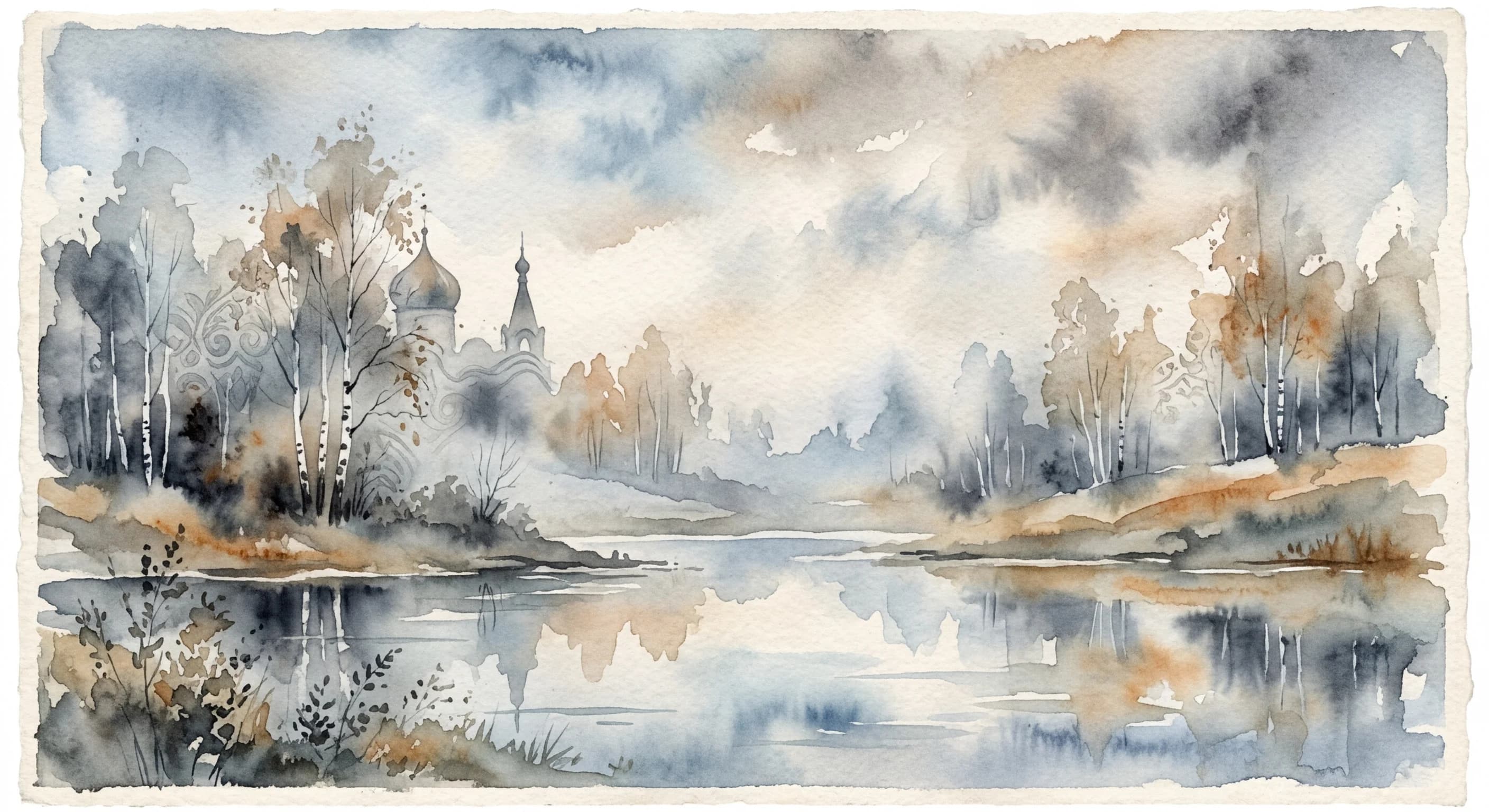
Dusha
/DOO-sha/
Meaning
Dusha transcends a simple translation of 'soul,' embodying the profound inner world of an individual. It encapsulates the core essence of one's being, their emotional landscape, moral compass, and capacity for both immense suffering and boundless joy. This concept suggests a deeply felt, often melancholic yet resilient inner life, which is intricately tied to one's humanity and spiritual depth, forming the very heart of Russian identity.
Literal Translation
soul
The Story Behind the Word
The concept of dusha is fundamental to understanding Russian thought, literature, and art, deeply rooted in Orthodox Christianity, which emphasizes introspection, suffering, and spiritual striving. It's not merely a biological or psychological entity but a spiritual crucible where one's true character is forged through life's trials and tribulations. Russian classical literature, from Dostoevsky to Tolstoy, constantly explores the complexities and contradictions of the dusha, portraying characters driven by intense inner turmoil and profound spiritual quests. This word reveals a cultural emphasis on the inner life over external circumstances, suggesting that true wealth and meaning reside within one's spiritual and emotional core, often leading to a profound appreciation for empathy, compassion, and shared human experience.
Experience It
A Poet's Dusha
The old poet, hunched over his worn notebook, poured his entire dusha into every line. He believed true poetry wasn't just words, but the raw, unfiltered expression of one's deepest joys and sorrows, etched onto the page for all to feel.
Sharing Dusha
After hours of heartfelt conversation, Elena felt she had finally connected with her new friend's dusha. They had spoken of their families, their fears, and their dreams, creating a bond far deeper than mere acquaintance.
The Deeper Meaning
Dusha reveals a Russian philosophical leaning towards existential depth and spiritual introspection. It suggests that human existence is fundamentally about the journey of the soul, grappling with moral dilemmas, experiencing profound emotions, and seeking spiritual truth. This perspective often prioritizes inner growth and self-discovery over material success or external validation, emphasizing the intrinsic value of individual suffering and empathy as pathways to understanding the human condition.
Did You Know?
Did you know 'dusha' is often personified in Russian folklore and proverbs, sometimes depicted as a delicate flame or a bird, easily wounded but capable of incredible resilience?
How It's Used
Used to refer to a person's inner self, their emotional state, or their fundamental character.