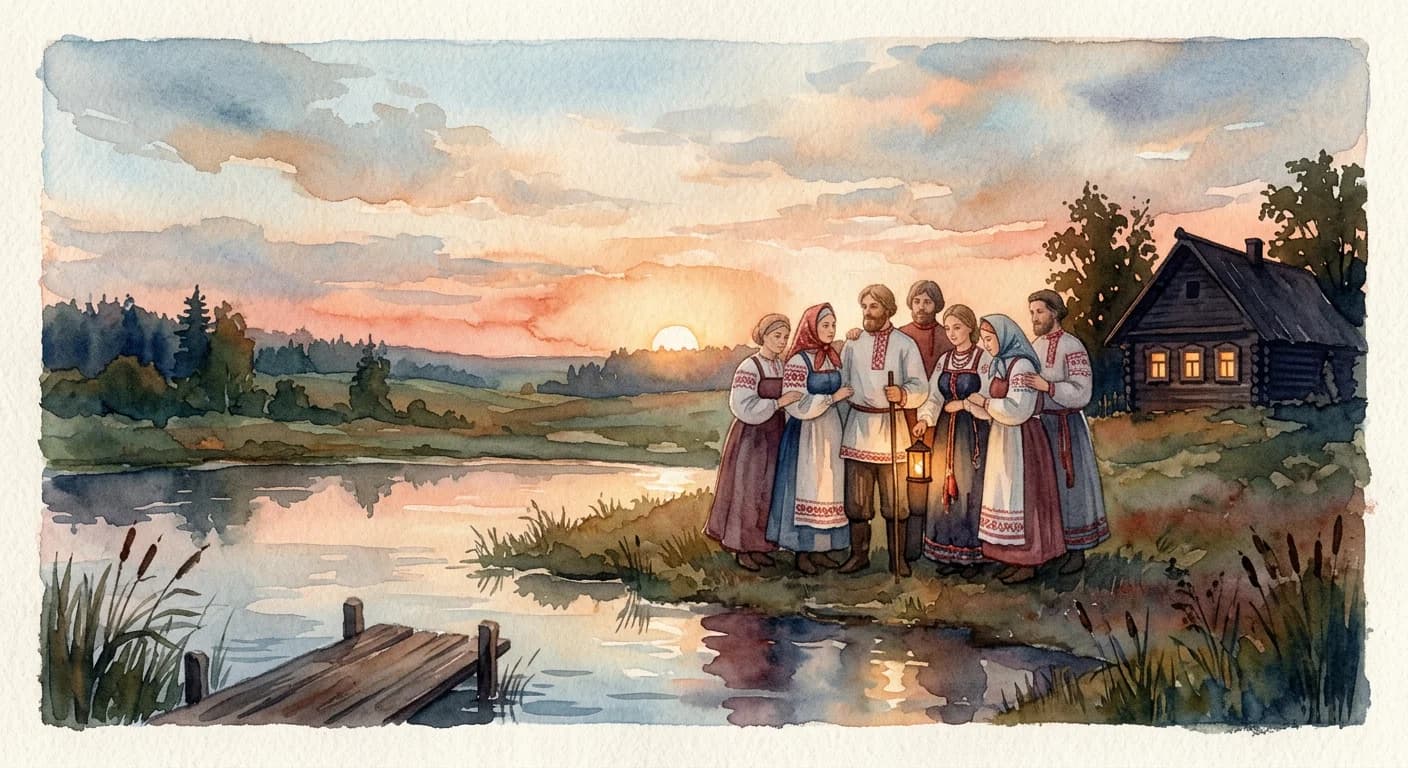
Zemlyachestvo
/ZYEM-lyah-cheh-stvo/
Meaning
Zemlyachestvo describes an profound, almost familial bond forged between individuals originating from the same village or geographical region, particularly when they find themselves displaced or far from their ancestral home. It transcends mere acquaintance, manifesting as an unspoken pact of mutual support, deeply rooted in shared upbringing, dialect, and cultural nuances. This powerful sense of camaraderie provides a vital anchor in unfamiliar environments, fostering unwavering loyalty, collective action, and a comforting sense of belonging that can last a lifetime.
Literal Translation
from the land/earth
The Story Behind the Word
The concept of zemlyachestvo is deeply embedded in Russian history, particularly reflecting the vastness of the country and historical patterns of migration, both voluntary and forced. For centuries, people moved from rural areas to burgeoning cities or were displaced by conflict and economic shifts. In these new, often harsh environments, connections to one's 'zemlya' (land/earth) became crucial for survival and social integration. It provided a ready-made support network, offering everything from housing and employment leads to emotional solace and protection against exploitation. This system predates formal social welfare, highlighting a pragmatic, community-driven approach to hardship. It reveals a cultural emphasis on collective identity over individualistic pursuits, where one's origins are a fundamental part of their social capital and personal narrative.
Experience It
New City Arrival
When Ivan arrived in Moscow from his small Siberian village, he felt utterly lost. But a chance encounter with a distant relative led him to a zemlyachestvo gathering where he met others from his region. Immediately, he was offered a spare room, help finding a job, and the comforting taste of his grandmother's pelmeni, all thanks to these new-found 'zemlyaki'.
Business Venture Support
Natalia wanted to open a small bakery in St. Petersburg but lacked initial capital and connections. She leveraged her zemlyachestvo network, and within weeks, fellow villagers who had found success in the city pooled resources, offered advice on permits, and even helped spread the word, ensuring her venture had a strong start rooted in trust.
The Deeper Meaning
Zemlyachestvo underscores a worldview where identity is profoundly tied to place and collective memory. It suggests that true belonging isn't just about shared interests, but about a common genesis—the very soil and sky that shaped one's formative years. It reveals a deep-seated human need for tribal affiliation and mutual dependence, especially when facing the alienating forces of modernity or displacement.
Did You Know?
During Soviet times, zemlyachestvo networks were often essential for navigating the complex bureaucracy and shortages, sometimes even forming informal 'mafias' that controlled certain markets or industries.
How It's Used
Used to describe a network of mutual support and solidarity based on shared regional or village origin, particularly prevalent among migrants or people living away from their hometowns.