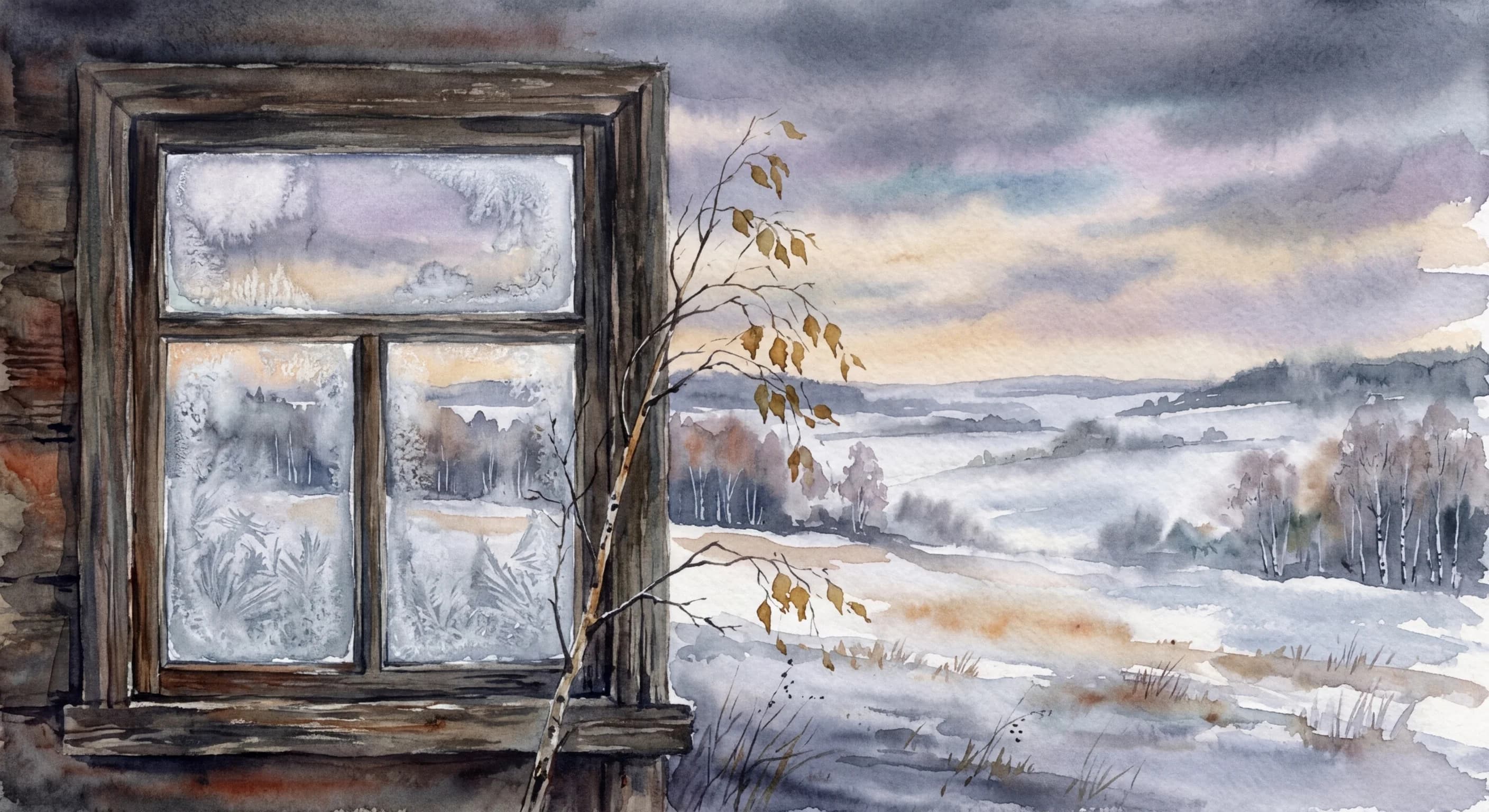
Obida
/oh-BEE-dah/
Meaning
Obida is a profoundly Russian emotion, a lingering, deep-seated sense of grievance or resentment that transcends a simple offense. It's the persistent ache of feeling wronged, misunderstood, or unfairly treated, often by those in positions of trust or authority, accumulating silently over time. This internal injury can manifest as quiet bitterness, withdrawn behavior, or a suppressed anger that subtly colors one's interactions and worldview, making true forgiveness or letting go exceptionally difficult.
Literal Translation
offense, insult, grievance
The Story Behind the Word
The prevalence of 'obida' in Russian culture is deeply rooted in historical experiences of serfdom, political oppression, and a societal structure where individual agency was often limited. For centuries, ordinary Russians frequently faced injustices from powerful figures, leaving little recourse for direct confrontation. This fostered an internalizing of slights, where grievances festered rather than being openly resolved. 'Obida' reflects a stoic endurance of hardship, a collective memory of unaddressed wrongs, and a cultural emphasis on the inner world of feelings, even if those feelings are melancholic. It speaks to a society where expressing direct anger might be impolitic or dangerous, leading to a more passive, yet deeply felt, form of resentment. It also highlights a certain fatalism and the weight of history on individual psychology.
Experience It
Family Dinner Silence
Aunt Galina sits quietly at the family dinner, barely touching her food. Years ago, her brother (now at the head of the table) made a cutting remark about her career choices, and though never discussed, the 'obida' still simmers, creating a palpable tension that everyone feels but no one addresses directly.
Bureaucratic Oversight
Ivan has been trying for months to get a permit, facing endless delays and dismissive clerks. He doesn't openly protest, but the 'obida' at the perceived injustice and disrespect from the system has made him deeply cynical and withdrawn, affecting his trust in all official institutions.
The Deeper Meaning
Obida reveals a worldview where justice is often elusive and personal dignity is frequently trampled, leading to an internalization of suffering rather than external confrontation. It reflects a stoic acceptance of fate coupled with a profound emotional memory, suggesting that true healing comes not from forgetting, but from a deeper, often unarticulated, processing of past wounds. This concept highlights the enduring impact of perceived wrongs on the individual psyche and collective consciousness.
Did You Know?
Did you know 'obida' can be so deeply ingrained that Russians sometimes speak of 'nosing obidu' (carrying obida) as if it were a physical burden one bears throughout life?
How It's Used
Used to describe a persistent feeling of being wronged or offended, often stemming from perceived slights or injustices that have accumulated over time. It can be used to explain someone's withdrawn or bitter behavior.