U.
HomeRegionsLanguagesEmotionsCollections
Find Your Word

“The limits of my language mean the limits of my world.”

— Ludwig Wittgenstein, Philosopher

Untranslatable

A curated collection of the world's most beautiful expressions—words that remind us language is humanity's greatest invention.

  • Home
  • Collections
  • Regions
  • Countries
  • Emotions
  • Tags
  • Contexts
  • Finder
  • Europe
  • Asia
  • Americas
  • Africa
  • Middle East
  • About
  • Contact
  • Privacy Policy
  • Terms of Service

2026 © Untranslatable. All rights reserved.

    /
    /
    1. Home
    2. /
    3. Europe
    4. /
    5. Krasnyy ugol
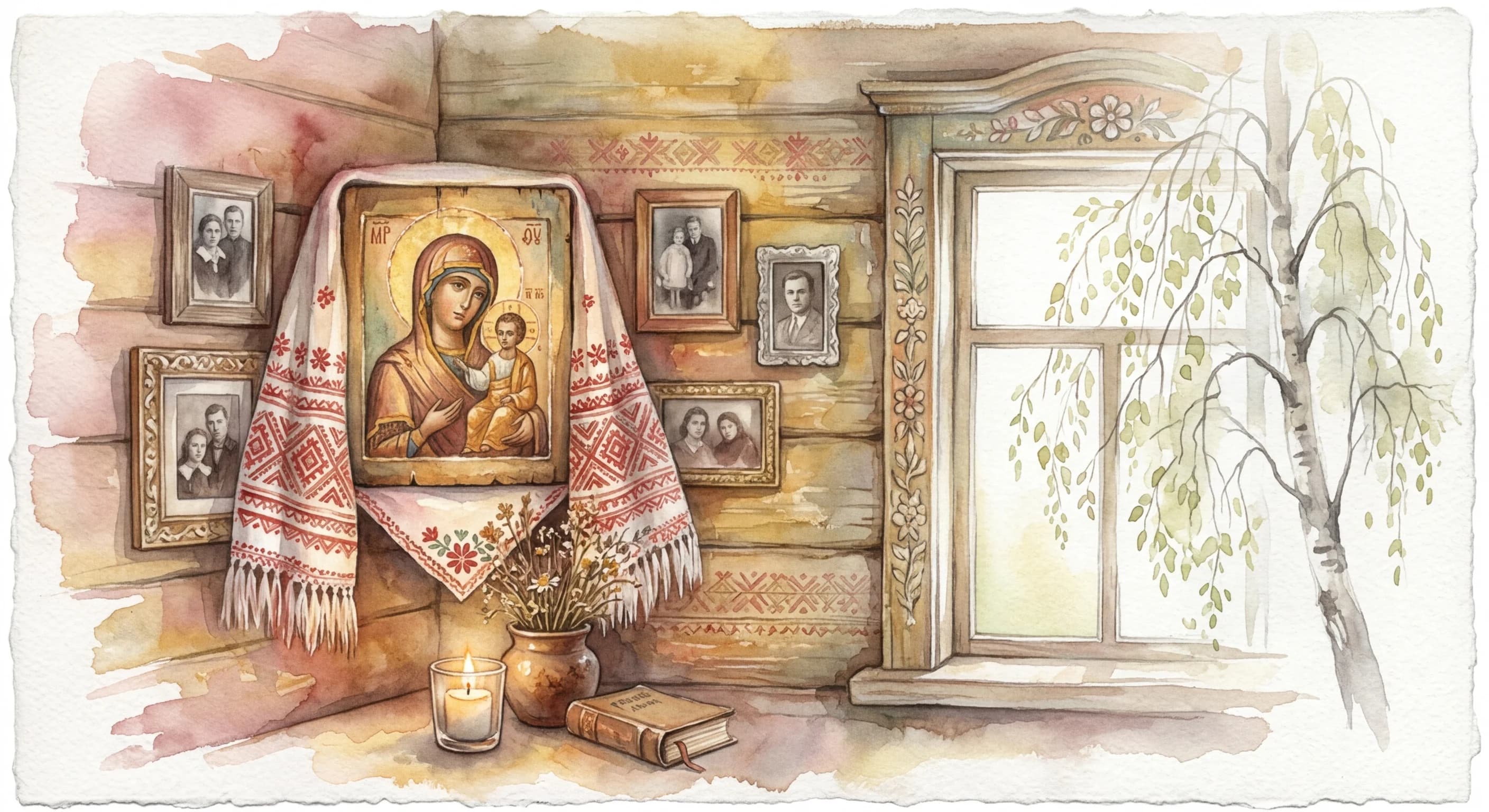
    Artistic representation of krasnyy ugol
    Russian•
    🇷🇺Russia

    Krasnyy ugol

    /KRAS-nee-y OO-guhl/

    Meaning

    The "krasnyy ugol" is far more than just a decorative nook; it is the spiritual heart of a traditional Russian home, a sacred space where the divine and the domestic converge. Typically situated in the prominent southeast corner, this "beautiful" or "red" corner is reserved for Orthodox icons, often adorned with embroidered cloths and flickering lamps, alongside cherished family photographs. It serves as a quiet sanctuary for prayer, reflection, and remembrance, embodying a deep reverence for heritage, faith, and the enduring presence of loved ones.

    Literal Translation

    beautiful corner / red corner

    The Story Behind the Word

    The concept of the krasnyy ugol is deeply rooted in Orthodox Christianity and ancient Slavic traditions, where the eastern direction held spiritual significance, symbolizing the rising sun and the coming of Christ. Before icons became central, it might have housed pagan idols or totems, evolving with the adoption of Christianity. Its placement, usually the furthest from the door and often facing east, ensures it is the first and most prominent feature upon entering. This corner reflects a worldview where the spiritual is inextricably woven into daily life, demanding a dedicated, respected space within the home. It reveals a culture that values contemplation, ancestral connection, and the visible presence of faith as foundational to personal and familial identity.

    Experience It

    Morning Prayer Ritual

    Every morning, Babushka Elena lights a small oil lamp before the icons in her krasnyy ugol. She whispers prayers for her family, her hands tracing the crucifix, finding solace and strength in the familiar rituals before starting her day.

    Family Gathering Remembrance

    During a family gathering, young Sasha is quietly led to the krasnyy ugol by his grandfather. They stand together, looking at an old photo of his great-grandmother, and his grandfather shares stories, connecting Sasha to his heritage through this sacred space.

    The Deeper Meaning

    The krasnyy ugol embodies a philosophy where the sacred is not confined to grand cathedrals but is an intimate, ever-present aspect of domestic life. It reflects a worldview that values spiritual grounding, ancestral memory, and the continuous integration of faith into the everyday, suggesting that true beauty and meaning reside in reverence and connection to something larger than oneself, even within the humblest abode.

    Did You Know?

    Historically, the 'red' in krasnyy ugol didn't just mean the color red, but also 'beautiful' or 'splendid' (красный in Old Russian), highlighting the aesthetic and spiritual importance of this dedicated space.

    How It's Used

    This term is used to describe a specific, traditionally designated area within a Russian home where icons or cherished family items are displayed, serving as a focal point for spiritual or personal reflection.

    Emotions
    belonging,gratitude,nostalgia,peace
    Contexts
    family,greeting,solitude
    🇷🇺Russia

    by Anya Petrova·Written Mar 10, 2026·Updated Apr 3, 2026

    Related Words

    Explore more
    HyggeDanish

    Hygge is more than mere coziness; it's a holistic embrace of comfort, warmth, and belonging that nourishes the soul. It describes the intentional creation of an intimate atmosphere where simple pleasures, genuine connection, and mindful presence converge, fostering a profound sense of contentment and well-being. It's about finding joy and peace in the small, everyday moments, often shared with loved ones.

    SaudadePortuguese

    Saudade encapsulates a profound, melancholic longing for something or someone cherished that is absent, often with the bittersweet knowledge that it may never return. It's a deep emotional state tinged with nostalgia, evoking a sense of loss for past experiences, places, or people, yet also holding a tender appreciation for the beauty of what once was. This yearning is not merely sadness, but a complex tapestry of desire, memory, and a poignant acceptance of absence, holding the beloved in a warm, persistent embrace within the heart.

    GezelligDutch

    Gezellig encapsulates a profound sense of warmth, belonging, and convivial comfort, extending beyond mere coziness to embrace the social and emotional atmosphere. It's the feeling of being truly at ease, surrounded by good company, laughter, and a shared sense of contentment. This untranslatable term describes not just a physical space, but a holistic experience where time seems to slow down, fostering genuine connection and a deep sense of well-being.

    Dolce far nienteItalian

    Dolce far niente captures the profound joy and effortless pleasure derived from simply existing without obligation or purpose. It's the art of savoring moments of pure, unadulterated idleness – lying in the sun, watching the clouds drift, or enjoying a leisurely coffee – not as a break from work, but as a valuable state in itself. This 'sweetness of doing nothing' is a conscious embrace of stillness and contentment, allowing the soul to breathe and the senses to fully engage with the present.