Dacha
/DAH-chuh/
Meaning
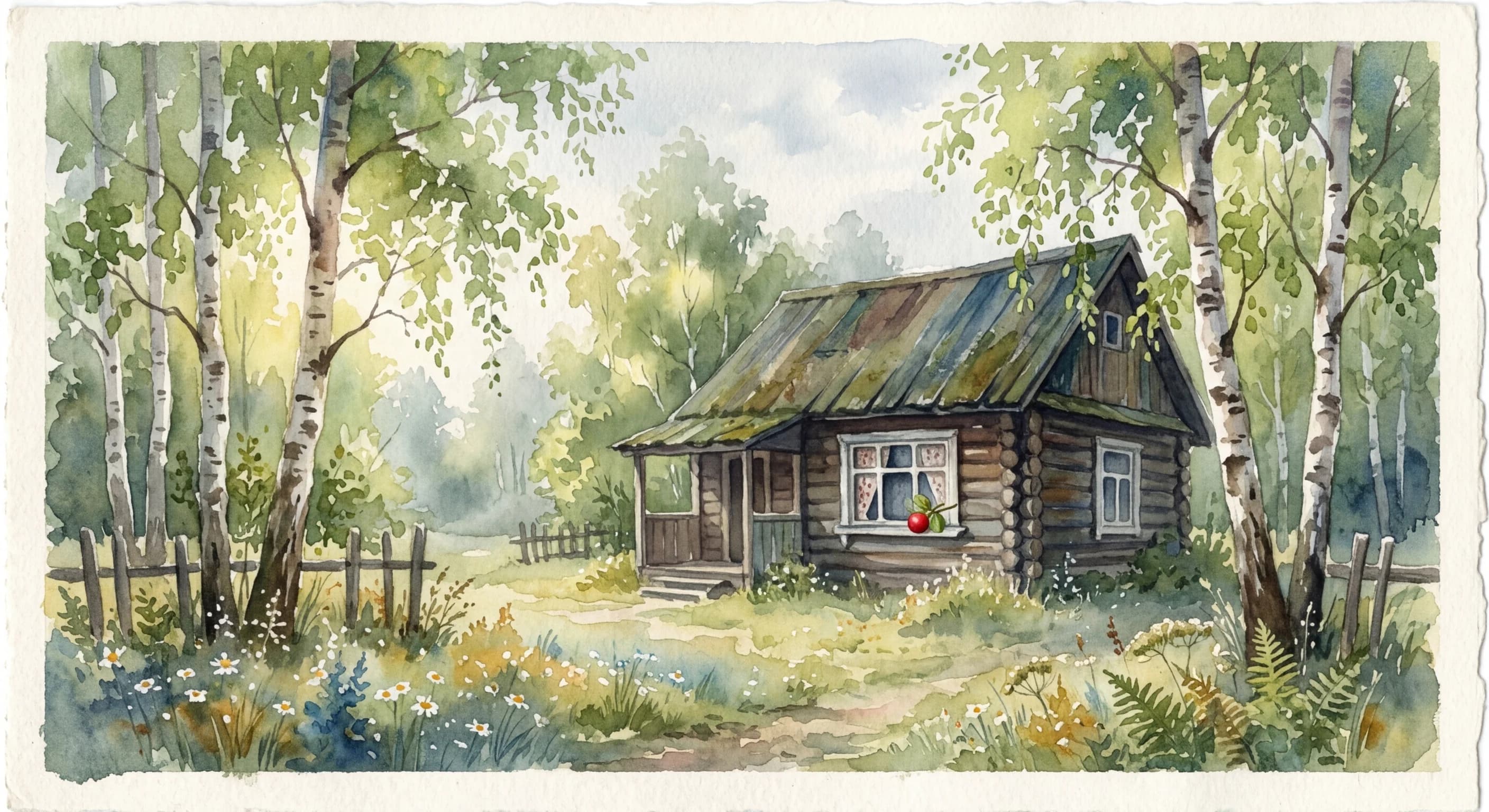
A dacha is far more than a mere summer house; it's a cherished sanctuary deeply embedded in the Russian soul, serving as a vital escape from urban intensity. It often encompasses a modest country cottage or a small plot of land where families reconnect with nature, cultivate gardens, and embrace a simpler, slower rhythm of life. This rustic retreat embodies a powerful blend of personal freedom, self-sufficiency through gardening, and the enduring warmth of family traditions, offering a unique sense of belonging and respite that transcends its physical structure.
Literal Translation
summer house
The Story Behind the Word
The dacha tradition began with Peter the Great, who gifted rural estates to his nobles, evolving over centuries into a widespread phenomenon. Under Soviet rule, dachas became crucial for urban dwellers to supplement their food supply through gardening, fostering a strong culture of self-reliance and community. Post-Soviet, they symbolize stability, a connection to the land, and a space for preserving family heritage amidst rapid change. The dacha reflects a deep-seated Russian yearning for nature, a place where one can shed societal pressures, cultivate personal freedom, and maintain continuity with past generations, embodying resilience and a profound appreciation for simple, earthy pleasures.
Experience It
Weekend Dacha Retreat
After a grueling week in the city, Anya packs her bags, eagerly anticipating the drive to her dacha. She envisions fresh air, tending to her tomato plants, and evenings spent around a crackling fire with her family, far from the concrete jungle's demands.
Harvesting Dacha Bounty
Grandma Elena proudly surveys her bountiful dacha garden, baskets overflowing with cucumbers, dill, and potatoes. She knows these vegetables, grown with love and effort, will fill the pantry with jars of preserves, sustaining her family through the long winter.
The Deeper Meaning
The dacha embodies a profound Russian philosophy of resilience and self-sufficiency, highlighting the importance of connection to the land and nature as a source of physical and spiritual sustenance. It represents a deliberate embrace of simplicity and a rejection of urban complexities, emphasizing the enduring value of family, tradition, and the quiet satisfaction of creating and nurturing one's own small paradise, even if temporary.
Did You Know?
During Soviet times, owning a dacha often implied a certain social status, but they were also distributed by enterprises to workers, becoming an accessible escape for many ordinary citizens.
How It's Used
Used to refer to a seasonal or year-round second home, often located in the suburbs or countryside, typically used for vacations or weekend getaways.