Geasa
/GYAH-suh/
Meaning
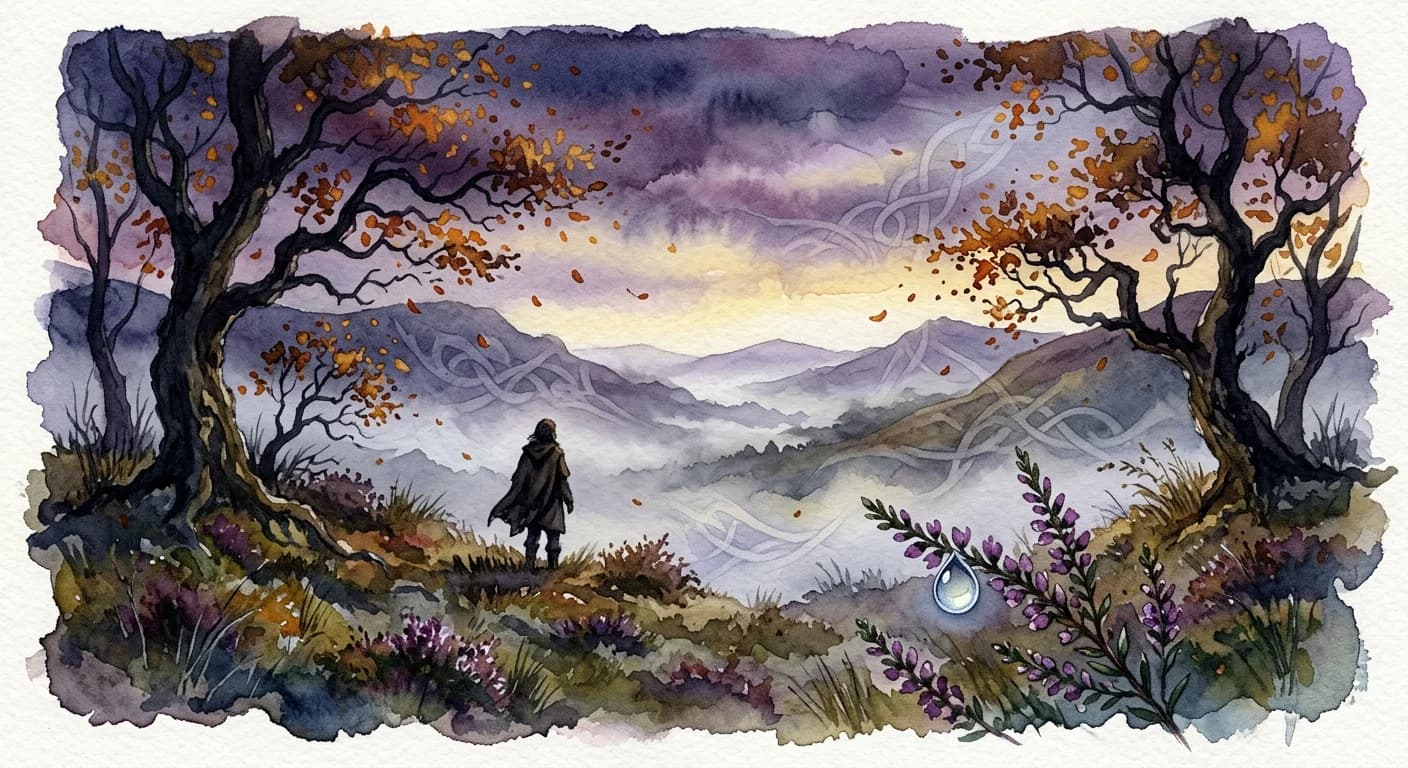
Geasa are not mere prohibitions; they are potent, mystically binding injunctions or vows, often placed upon heroes in Irish mythology, that dictate actions and frequently lead to inescapable, fated outcomes. These supernatural compulsions are woven into the very fabric of a character's destiny, carrying immense spiritual and societal weight. To violate a geis is to invite cosmic imbalance and often a tragic downfall, making them far more profound than simple taboos or promises.
Literal Translation
plural of geis, meaning 'enchantment', 'vow', or 'taboo'
The Story Behind the Word
The concept of geasa is deeply embedded in ancient Irish worldview, reflecting a society that believed in a powerful, often capricious, supernatural realm intertwined with human existence. They served as narrative devices to drive plots, explore themes of fate versus free will, and highlight the consequences of defying cosmic order. Geasa underscored the belief that even the mightiest heroes were subject to forces beyond their control, often imposed by powerful figures, the Sidhe (fairies), or even self-imposed. This linguistic artifact reveals a culture that saw life as a complex interplay of human agency, divine decree, and the ever-present magic of the land, where one's word or an imposed vow held tangible, often deadly, power. They illustrate a worldview where honor, obligation, and the sacredness of an oath were paramount, even when leading to ruin.
Experience It
Cú Chulainn's Tragic Geasa
Cú Chulainn, the great Ulster hero, had a geis never to eat dog meat. Yet, when offered some by an old hag, to refuse would violate a geis of hospitality. Trapped between two unbreakable vows, he chose to eat the meat, weakening him for his final, fatal battle.
Deirdre's Self-Imposed Geis
Deirdre, prophesied to bring ruin, fell in love with Naoise. She placed a geis upon him that he must marry her, forcing him to defy King Conchobar. This binding vow set in motion a chain of events leading to the deaths of Naoise and his brothers, fulfilling the prophecy.
The Deeper Meaning
Geasa encapsulate a philosophy where destiny is not entirely predetermined but heavily influenced by sacred oaths and supernatural forces. They explore the tragic irony of human agency within a world governed by powerful, often contradictory, mystical laws. The concept forces contemplation on the nature of free will, the weight of obligation, and the ultimate consequences of defying a divinely or magically imposed order, even with good intentions.
Did You Know?
The legendary hero Fionn mac Cumhaill had a geis that forbade him from ever refusing a woman's plea for help, often leading him into perilous adventures!
How It's Used
Typically used in discussions of Irish mythology, folklore, and literature, specifically when referring to the magical taboos or vows that characters must adhere to.