U.
HomeRegionsLanguagesEmotionsCollections
Find Your Word

“The limits of my language mean the limits of my world.”

— Ludwig Wittgenstein, Philosopher

Untranslatable

A curated collection of the world's most beautiful expressions—words that remind us language is humanity's greatest invention.

  • Home
  • Collections
  • Regions
  • Countries
  • Emotions
  • Tags
  • Contexts
  • Finder
  • Europe
  • Asia
  • Americas
  • Africa
  • Middle East
  • About
  • Contact
  • Privacy Policy
  • Terms of Service

2026 © Untranslatable. All rights reserved.

    /
    /
    1. Home
    2. /
    3. Europe
    4. /
    5. Džumbus
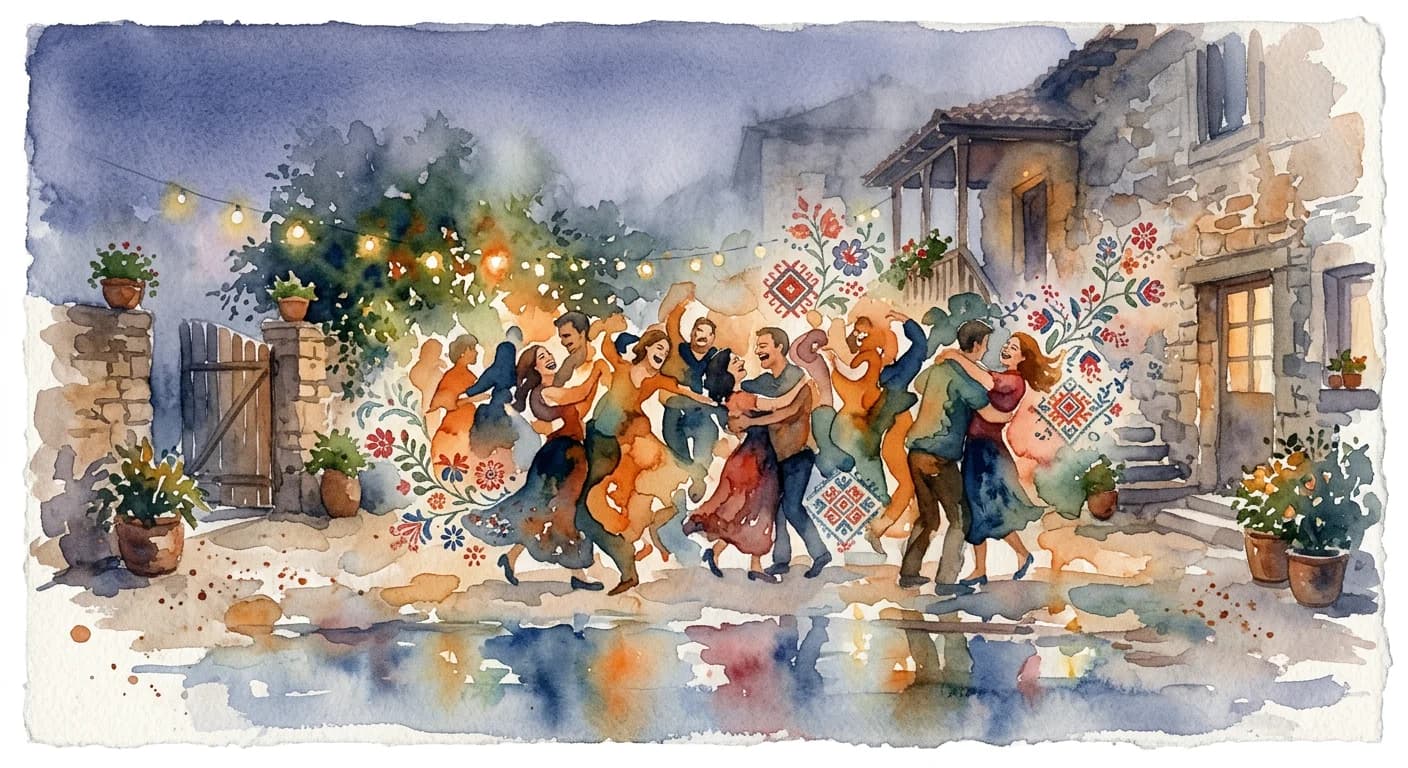
    Artistic representation of džumbus
    Serbian•
    🇧🇦Bosnia and Herzegovina🇭🇷Croatia🇲🇪Montenegro🇷🇸Serbia

    Džumbus

    /DZHUM-boos/

    Meaning

    Džumbus encapsulates a state of vibrant, joyful pandemonium, often associated with a lively gathering or a delightfully disheveled space. It's more than just a mess; it's an energetic, uninhibited explosion of activity where order takes a backseat to shared enjoyment and spirited chaos. Imagine a party where music, laughter, and conversation intertwine into a glorious cacophony, or a room left in delightful disarray after a night of boisterous fun. This word celebrates the lively, overwhelming, and often endearing lack of control, hinting at good times and memorable experiences amidst the uproar.

    Literal Translation

    chaos, mess, uproar

    The Story Behind the Word

    The existence of 'džumbus' in Serbian culture speaks volumes about an embrace of spontaneous, unbridled joy and a certain tolerance for — even appreciation of — imperfection. In a region known for its hospitality, spirited celebrations (slave, svadbe, rodjendani), and rich social life centered around food, drink, and music, 'džumbus' becomes a natural byproduct and even a marker of a truly successful event. It suggests that life shouldn't always be meticulously ordered; sometimes, the most memorable moments arise from delightful disarray. This word reflects a worldview that values authentic human connection and boisterous conviviality over strict adherence to neatness or quiet decorum, highlighting a cultural inclination towards lively expression and communal effervescence.

    Experience It

    Post-Slava Džumbus

    After the Slava celebration, the living room was a true džumbus: spilled rakija, overturned chairs, leftover sarma wrappers, and a guitar propped against the wall. Everyone was exhausted but smiling, reminiscing about the joyous chaos of the night.

    Wedding Party Uproar

    The wedding band struck up a kolo, and the dance floor instantly became a džumbus. Guests twirled, sang, and stomped, creating a beautiful, exhilarating mess of movement and sound that spilled out into the courtyard.

    The Deeper Meaning

    Džumbus reveals a philosophy that finds beauty and authenticity in the lively imperfections of human experience. It suggests that true joy isn't always orderly or controlled, but often emerges from the spontaneous overflow of emotion, laughter, and shared energy. This word champions a worldview where a little chaos is not just tolerated but actively embraced as a sign of life being fully lived, prioritizing vibrant human interaction over pristine order.

    Did You Know?

    The word 'džumbus' is believed to have Turkish origins, deriving from 'cümbüş', meaning merriment, revelry, or a type of stringed instrument often associated with festive music, highlighting its deep roots in celebratory contexts.

    How It's Used

    Used to describe a crowded, noisy party, a messy room after an event, or any situation that is chaotic but often in a fun or lively manner.

    Emotions
    belonging,joy,warmth
    Contexts
    celebration,dining,relaxation
    🇧🇦Bosnia and Herzegovina🇭🇷Croatia🇲🇪Montenegro🇷🇸Serbia

    by Sofia Rossi·Written Mar 10, 2026·Updated Apr 3, 2026

    Related Words

    Explore more
    HyggeDanish

    Hygge is more than mere coziness; it's a holistic embrace of comfort, warmth, and belonging that nourishes the soul. It describes the intentional creation of an intimate atmosphere where simple pleasures, genuine connection, and mindful presence converge, fostering a profound sense of contentment and well-being. It's about finding joy and peace in the small, everyday moments, often shared with loved ones.

    SaudadePortuguese

    Saudade encapsulates a profound, melancholic longing for something or someone cherished that is absent, often with the bittersweet knowledge that it may never return. It's a deep emotional state tinged with nostalgia, evoking a sense of loss for past experiences, places, or people, yet also holding a tender appreciation for the beauty of what once was. This yearning is not merely sadness, but a complex tapestry of desire, memory, and a poignant acceptance of absence, holding the beloved in a warm, persistent embrace within the heart.

    GezelligDutch

    Gezellig encapsulates a profound sense of warmth, belonging, and convivial comfort, extending beyond mere coziness to embrace the social and emotional atmosphere. It's the feeling of being truly at ease, surrounded by good company, laughter, and a shared sense of contentment. This untranslatable term describes not just a physical space, but a holistic experience where time seems to slow down, fostering genuine connection and a deep sense of well-being.

    Dolce far nienteItalian

    Dolce far niente captures the profound joy and effortless pleasure derived from simply existing without obligation or purpose. It's the art of savoring moments of pure, unadulterated idleness – lying in the sun, watching the clouds drift, or enjoying a leisurely coffee – not as a break from work, but as a valuable state in itself. This 'sweetness of doing nothing' is a conscious embrace of stillness and contentment, allowing the soul to breathe and the senses to fully engage with the present.