U.
HomeRegionsLanguagesEmotionsCollections
Find Your Word

“The limits of my language mean the limits of my world.”

— Ludwig Wittgenstein, Philosopher

Untranslatable

A curated collection of the world's most beautiful expressions—words that remind us language is humanity's greatest invention.

  • Home
  • Collections
  • Regions
  • Countries
  • Emotions
  • Tags
  • Contexts
  • Finder
  • Europe
  • Asia
  • Americas
  • Africa
  • Middle East
  • About
  • Contact
  • Privacy Policy
  • Terms of Service

2026 © Untranslatable. All rights reserved.

    /
    /
    1. Home
    2. /
    3. Europe
    4. /
    5. Zajebancija
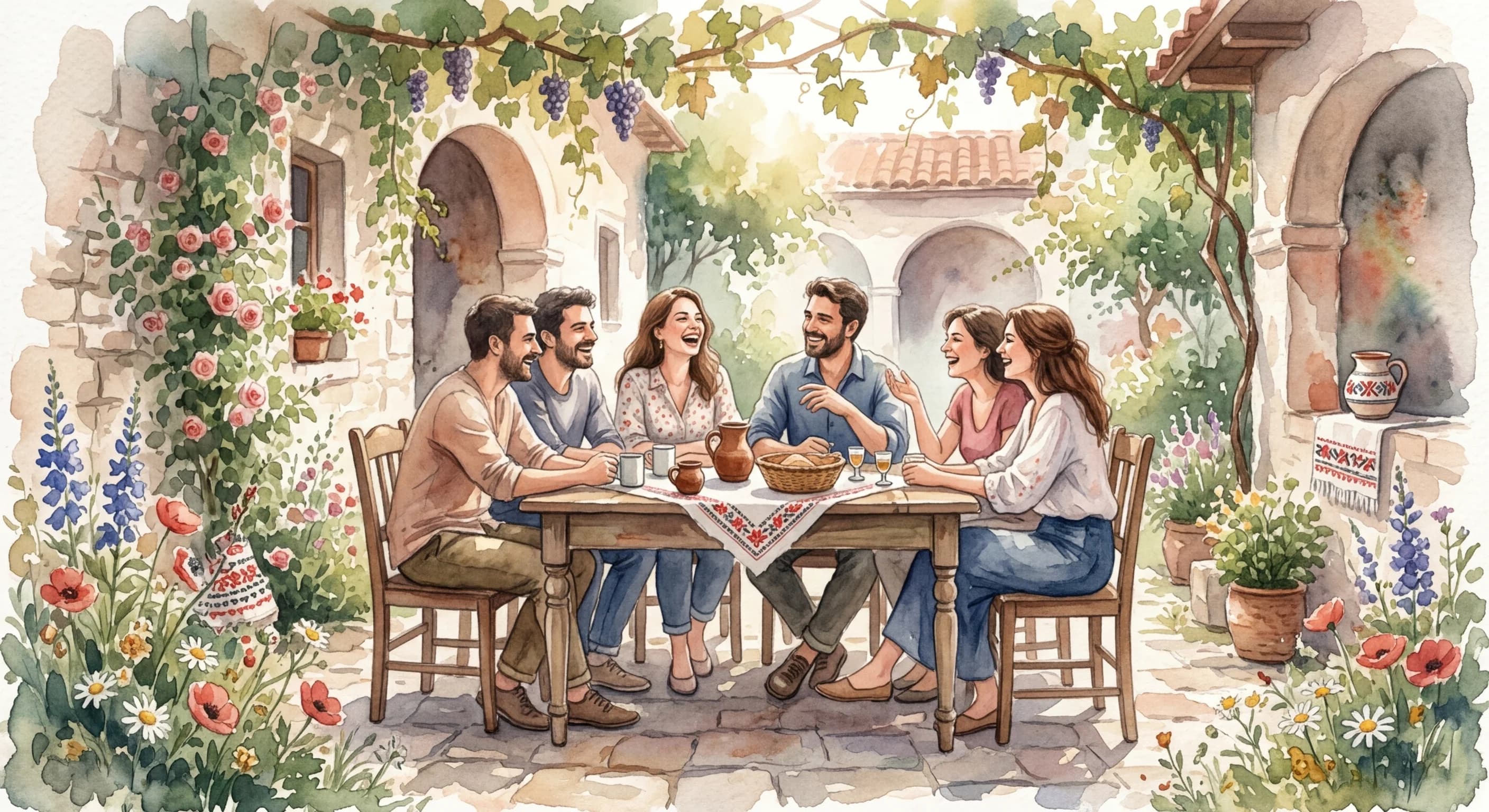
    Artistic representation of zajebancija
    Serbian•
    🇧🇦Bosnia and Herzegovina🇭🇷Croatia🇲🇪Montenegro🇷🇸Serbia

    Zajebancija

    /zah-beh-BAN-chee-yah/

    Meaning

    Zajebancija embodies the art of playful mischief, good-natured joshing, and the collective embrace of life's inherent absurdities, fostering an atmosphere of unburdened joy. It's the spontaneous banter, the shared laughter over minor mishaps, and the deliberate refusal to take oneself or situations too seriously. This spirit thrives in social settings, transforming ordinary moments into memorable experiences through witty repartee and a collective commitment to lighthearted fun, solidifying bonds through shared amusement.

    Literal Translation

    Derived from the slang term 'jebati' (to fuck), 'zajebancija' literally implies a situation resulting from or involving such actions, but colloquially it signifies 'a joke,' 'a prank,' 'fun,' or 'shenanigans.'

    The Story Behind the Word

    The existence of 'zajebancija' in Serbian culture speaks to a profound resilience and a deep-seated appreciation for human connection, often forged in the face of historical hardship. For centuries, Serbs have navigated complex geopolitical landscapes, and humor, particularly self-deprecating or observational humor, became a vital coping mechanism. 'Zajebancija' isn't just an escape; it's a deliberate act of defiance against seriousness, an assertion that joy and camaraderie can be found even amidst difficulty. It reflects a worldview where the bonds of community are paramount, and shared laughter is a powerful adhesive, allowing people to let go of pretense and embrace authentic, often boisterous, interaction. This cultural emphasis on finding levity in life's challenges underscores a pragmatic yet deeply humanistic approach to existence.

    Experience It

    Coffee Shop Prank

    Marko secretly switched the sugar with salt packets at the local kafana, then watched with a mischievous grin as his friend Dragan took a large sip of his coffee. When Dragan spluttered, Marko burst into laughter, declaring, 'Ah, that's some good zajebancija!'

    Family Dinner Banter

    During a large family dinner, an uncle started playfully teasing his nephew about his latest dating mishap. The entire table erupted in laughter, with the nephew good-naturedly retorting, 'It's all part of the zajebancija, isn't it?'

    The Deeper Meaning

    This word reveals a philosophy that prioritizes human connection and emotional well-being over rigid adherence to decorum or seriousness. It suggests that true wisdom lies in the ability to laugh at oneself and the world, recognizing the inherent absurdity of existence. 'Zajebancija' is an active embrace of the present moment, a conscious choice to foster joy and resilience through shared levity, viewing humor as a fundamental aspect of a fulfilling life.

    Did You Know?

    Despite its seemingly crude etymological root, 'zajebancija' is widely considered a harmless and even endearing term, showcasing how language can evolve far beyond its literal origins to express complex social nuances.

    How It's Used

    Used informally among friends and acquaintances to describe situations involving joking, teasing, playful pranks, or general lighthearted fun and mischief.

    Emotions
    belonging,comfort,joy,warmth
    Contexts
    celebration,friendship,relaxation
    🇧🇦Bosnia and Herzegovina🇭🇷Croatia🇲🇪Montenegro🇷🇸Serbia

    by Annelise Dubois·Written Mar 10, 2026·Updated Apr 3, 2026

    Related Words

    Explore more
    HyggeDanish

    Hygge is more than mere coziness; it's a holistic embrace of comfort, warmth, and belonging that nourishes the soul. It describes the intentional creation of an intimate atmosphere where simple pleasures, genuine connection, and mindful presence converge, fostering a profound sense of contentment and well-being. It's about finding joy and peace in the small, everyday moments, often shared with loved ones.

    SaudadePortuguese

    Saudade encapsulates a profound, melancholic longing for something or someone cherished that is absent, often with the bittersweet knowledge that it may never return. It's a deep emotional state tinged with nostalgia, evoking a sense of loss for past experiences, places, or people, yet also holding a tender appreciation for the beauty of what once was. This yearning is not merely sadness, but a complex tapestry of desire, memory, and a poignant acceptance of absence, holding the beloved in a warm, persistent embrace within the heart.

    GezelligDutch

    Gezellig encapsulates a profound sense of warmth, belonging, and convivial comfort, extending beyond mere coziness to embrace the social and emotional atmosphere. It's the feeling of being truly at ease, surrounded by good company, laughter, and a shared sense of contentment. This untranslatable term describes not just a physical space, but a holistic experience where time seems to slow down, fostering genuine connection and a deep sense of well-being.

    Dolce far nienteItalian

    Dolce far niente captures the profound joy and effortless pleasure derived from simply existing without obligation or purpose. It's the art of savoring moments of pure, unadulterated idleness – lying in the sun, watching the clouds drift, or enjoying a leisurely coffee – not as a break from work, but as a valuable state in itself. This 'sweetness of doing nothing' is a conscious embrace of stillness and contentment, allowing the soul to breathe and the senses to fully engage with the present.