U.
HomeRegionsLanguagesEmotionsCollections
Find Your Word

“The limits of my language mean the limits of my world.”

— Ludwig Wittgenstein, Philosopher

Untranslatable

A curated collection of the world's most beautiful expressions—words that remind us language is humanity's greatest invention.

  • Home
  • Collections
  • Regions
  • Countries
  • Emotions
  • Tags
  • Contexts
  • Finder
  • Europe
  • Asia
  • Americas
  • Africa
  • Middle East
  • About
  • Contact
  • Privacy Policy
  • Terms of Service

2026 © Untranslatable. All rights reserved.

    /
    /
    1. Home
    2. /
    3. Europe
    4. /
    5. Gusle
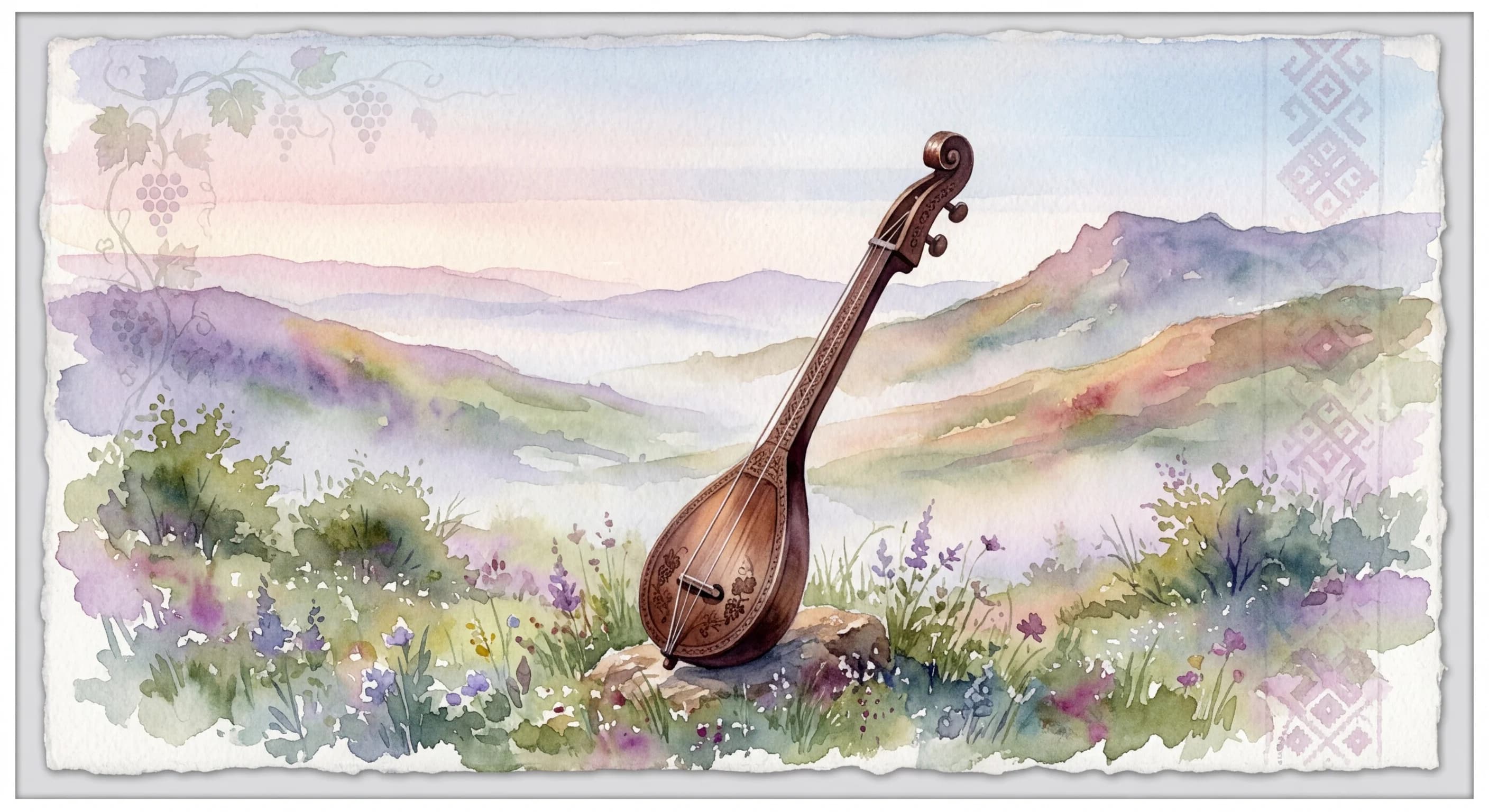
    Artistic representation of gusle
    Serbian•
    🇧🇦Bosnia and Herzegovina🇧🇬Bulgaria🇭🇷Croatia🇲🇪Montenegro🇲🇰North Macedonia🇷🇸Serbia

    Gusle

    /GOOS-leh/

    Meaning

    The gusle is more than a mere instrument; it is the resonant soul of Serbian epic poetry, a single-stringed bowed lute crafted from wood, often adorned with intricate carvings. Its haunting, melancholic tones do not just accompany, but embody the ancient narratives of heroes, battles, and pivotal historical moments, breathing life into the collective memory. It serves as a direct conduit to ancestral voices, weaving a tapestry of national identity and preserving a cultural lineage through the power of sung verse.

    Literal Translation

    gusle (instrument)

    The Story Behind the Word

    The gusle's existence is intrinsically linked to the oral tradition of epic poetry, which served as the primary means of historical record, moral instruction, and communal identity for centuries among South Slavs. In a pre-literate society, the gusle and its player, the 'guslar,' were the living archives, recounting tales of Kosovo, Ottoman oppression, and acts of defiance that shaped the Serbian spirit. It embodies a deep cultural reverence for memory and storytelling, reflecting a worldview where history is not just a sequence of events, but a continuous, living narrative passed down from generation to generation. The gusle reveals a people who found strength, solace, and a sense of belonging in their shared past, ensuring that even in the darkest times, the flame of their heritage continued to burn.

    Experience It

    Village Gathering

    As dusk settled over the village, the elder guslar took his place by the fire. With the first resonant draw of the bow across the gusle's single string, a hush fell over the crowd, young and old, ready to be transported back to the times of legendary heroes and ancient battles.

    A Son's Inheritance

    Miloš carefully polished the worn wooden body of his grandfather's gusle, its horsehair bow still pliable. He knew the instrument was more than just wood and string; it was a sacred trust, carrying the stories and spirit of his ancestors, waiting for him to learn their songs.

    The Deeper Meaning

    The gusle embodies the philosophy that identity is intrinsically tied to collective memory and shared narrative. It posits that true strength lies not just in physical prowess, but in the enduring spirit of a people, kept alive through the continuous recitation of their past. It speaks to a worldview where history is a living, breathing entity, constantly reaffirmed and reinterpreted through art, ensuring that the sacrifices and triumphs of ancestors continue to guide future generations.

    Did You Know?

    The headstock of a gusle is often carved into the shape of an animal or a human head, most commonly a goat, ram, or a legendary figure like a dragon or a hawk, further symbolizing its deep connection to folklore.

    How It's Used

    The term 'gusle' refers to a specific type of single-stringed, bowed folk instrument traditionally used by guslari (gusle players) in South Slavic countries to accompany epic poetry recitations.

    Emotions
    belonging,melancholy,nostalgia,pride
    Contexts
    celebration,cultural identity,history,storytelling
    🇧🇦Bosnia and Herzegovina🇧🇬Bulgaria🇭🇷Croatia🇲🇪Montenegro🇲🇰North Macedonia🇷🇸Serbia

    by Anya Petrova·Written Mar 10, 2026·Updated Apr 3, 2026

    Related Words

    Explore more
    HyggeDanish

    Hygge is more than mere coziness; it's a holistic embrace of comfort, warmth, and belonging that nourishes the soul. It describes the intentional creation of an intimate atmosphere where simple pleasures, genuine connection, and mindful presence converge, fostering a profound sense of contentment and well-being. It's about finding joy and peace in the small, everyday moments, often shared with loved ones.

    SaudadePortuguese

    Saudade encapsulates a profound, melancholic longing for something or someone cherished that is absent, often with the bittersweet knowledge that it may never return. It's a deep emotional state tinged with nostalgia, evoking a sense of loss for past experiences, places, or people, yet also holding a tender appreciation for the beauty of what once was. This yearning is not merely sadness, but a complex tapestry of desire, memory, and a poignant acceptance of absence, holding the beloved in a warm, persistent embrace within the heart.

    GezelligDutch

    Gezellig encapsulates a profound sense of warmth, belonging, and convivial comfort, extending beyond mere coziness to embrace the social and emotional atmosphere. It's the feeling of being truly at ease, surrounded by good company, laughter, and a shared sense of contentment. This untranslatable term describes not just a physical space, but a holistic experience where time seems to slow down, fostering genuine connection and a deep sense of well-being.

    Dolce far nienteItalian

    Dolce far niente captures the profound joy and effortless pleasure derived from simply existing without obligation or purpose. It's the art of savoring moments of pure, unadulterated idleness – lying in the sun, watching the clouds drift, or enjoying a leisurely coffee – not as a break from work, but as a valuable state in itself. This 'sweetness of doing nothing' is a conscious embrace of stillness and contentment, allowing the soul to breathe and the senses to fully engage with the present.