Mob
/moh-b/
Meaning
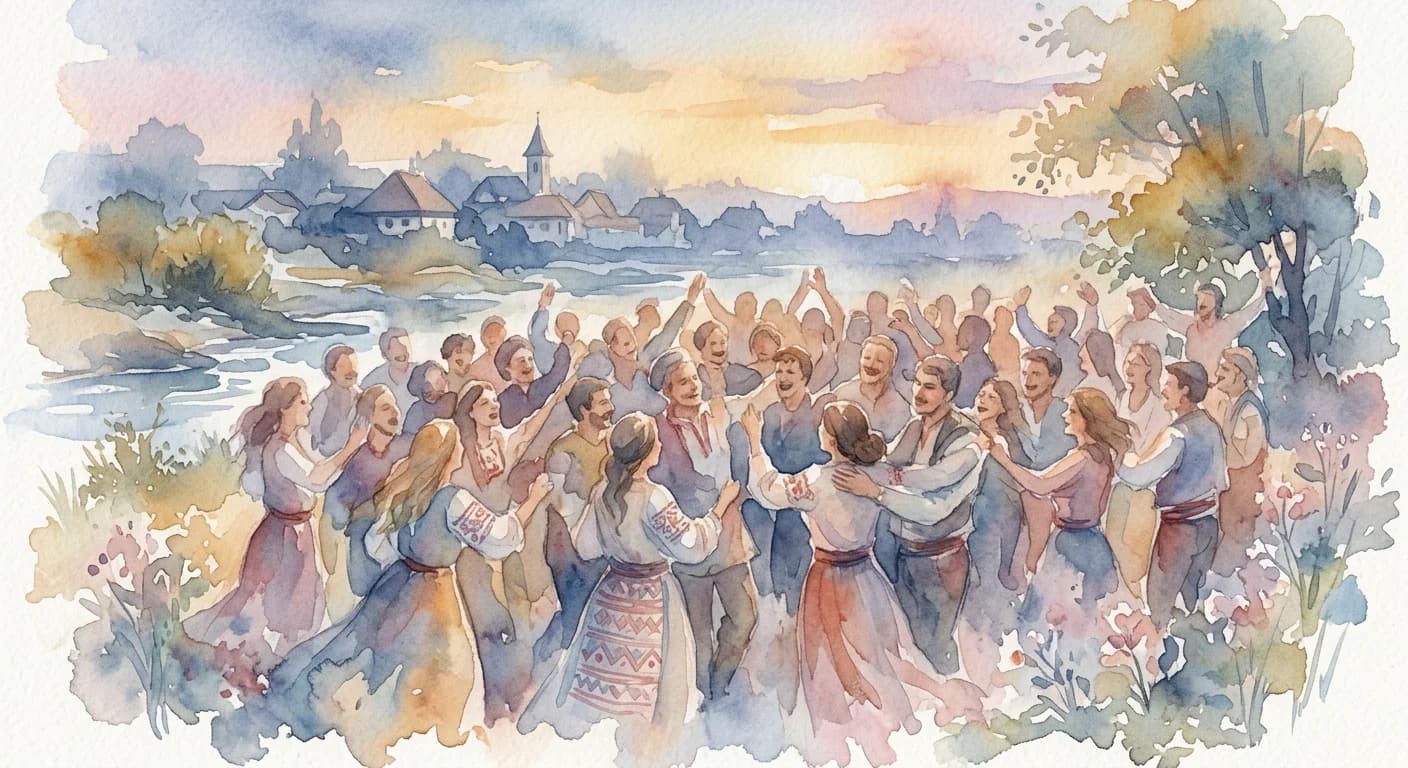
In Serbian, 'mob' refers to a vibrant, collective gathering characterized by shared excitement and communal energy, far beyond a simple crowd. It evokes the infectious camaraderie and joyous chaos that erupts when people unite with a common purpose, like the spirited throng at a village festival or a concert. This term captures a visible and palpable collective spirit, celebrating the enthusiastic presence of many coming together in shared enjoyment and spirited interaction.
Literal Translation
mob
The Story Behind the Word
The word 'mob' in Serbian, despite its literal English translation, carries a deeply positive connotation rooted in the communal spirit that has long defined Balkan societies. Historically, life in these regions involved close-knit communities where collective action, whether for work (like a 'mob' for harvesting) or celebration, was essential for survival and social cohesion. This reliance on group effort fostered a culture where large, energetic gatherings were not just common but cherished as expressions of unity and shared identity. The word thus encapsulates a cultural appreciation for vibrant collective experiences, reflecting a worldview where individual joy is often amplified and authenticated through communal participation and spirited interaction. It speaks to a society that values collective effervescence over individualistic pursuits in moments of leisure and celebration.
Experience It
Concert Energy
The band took the stage, and immediately, the crowd transformed into a 'mob' of singing, dancing fans. Their unified energy was electrifying, a sea of arms swaying to the rhythm, creating an unforgettable atmosphere.
Village Celebration
During the village fair, children and adults alike formed a joyful 'mob' around the folk dancers. Laughter and cheers filled the air as everyone joined in the festive spirit, sharing food and stories until late in the evening.
The Deeper Meaning
The Serbian 'mob' subtly reflects a philosophical stance that values collective experience and shared vivacity as core components of human flourishing. It suggests that true joy and vibrant living are often found not in isolation, but in the energetic communion with others, where individual emotions are amplified and validated by the collective. This perspective underscores the importance of community and shared enthusiasm in the cultural fabric.
Did You Know?
While 'mob' in English often implies an unruly or threatening group, its Serbian counterpart specifically celebrates the positive, unifying energy of a large, enthusiastic gathering, highlighting a fascinating linguistic divergence.
How It's Used
Used to describe a large, energetic group of people, typically in a positive or neutral context, such as a crowd at a concert, a festival, or a sports match.