Žal
/ZHAL/
Meaning
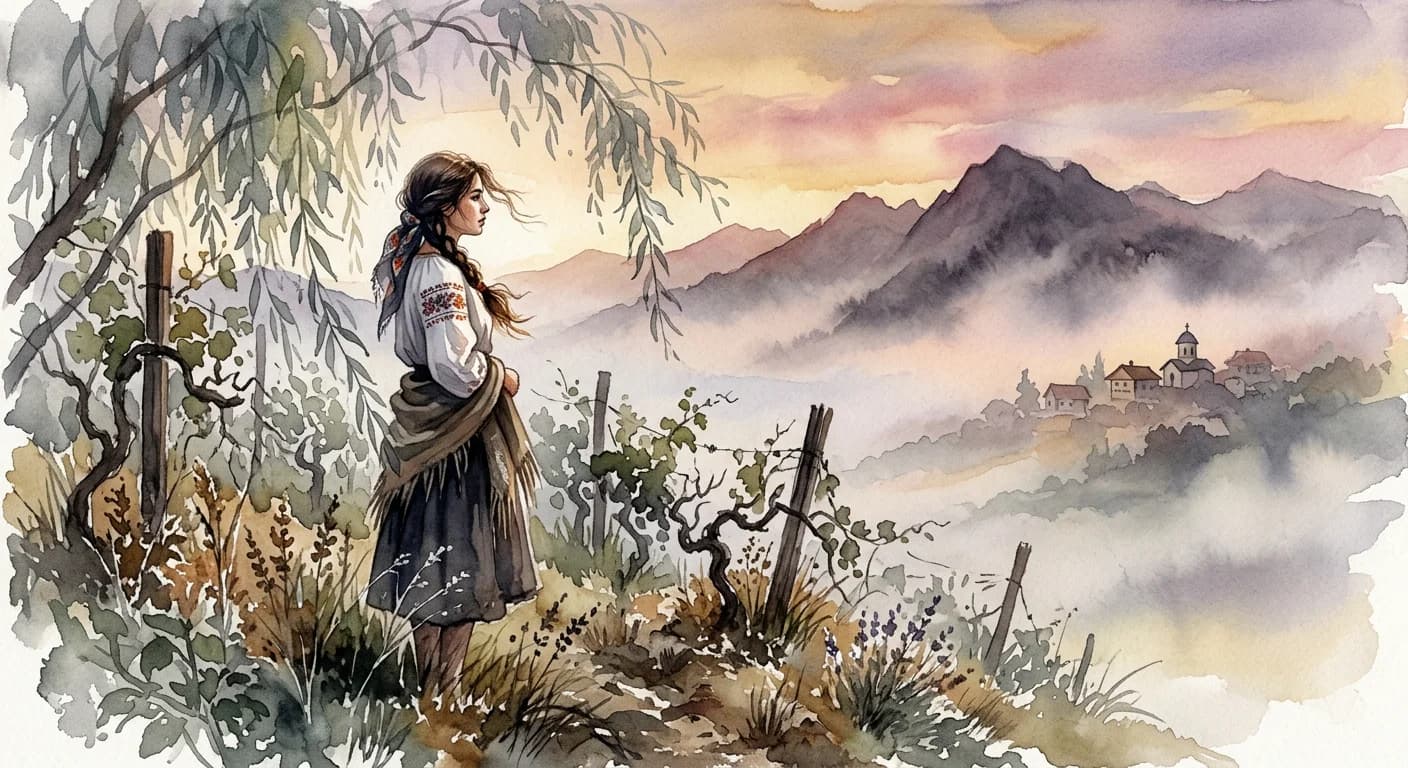
Žal is a profound, often melancholic yearning that transcends simple sadness, embodying a deep ache for something lost, absent, or unattainable. It's a bittersweet recognition of what was, what could have been, or what is no longer, carrying the weight of memory and a wistful longing for a person, place, or time that cannot be recaptured. This complex emotion imbues the present with a gentle sorrow, a poignant blend of nostalgia and an enduring sense of disruption or unfulfilled desire.
Literal Translation
sorrow, grief, longing
The Story Behind the Word
The prevalence of "žal" in Serbian culture is deeply rooted in its often turbulent history, marked by migrations, conflicts, and the fragmentation of traditional ways of life. For centuries, Serbs have experienced displacement, loss of territory, and the disruption of family units, fostering a collective consciousness attuned to the impermanence of things and the pain of separation. This has led to a cultural emphasis on memory, heritage, and a strong connection to ancestral lands and traditions, making the ache of "žal" a resonant and frequently expressed emotion. It reflects a worldview where the past is not merely gone but actively shapes the present, and where longing for an idealized or lost state of being is a natural human condition.
Experience It
Homeland's Fading Echo
An elderly Serbian émigré sits by the window, gazing at the unfamiliar city skyline. He feels a deep žal for the village he left behind decades ago, for the scent of plum orchards in bloom and the sound of his mother's lullabies, knowing he can never return to that time or place.
Lost Love's Gentle Sting
She listens to a old song that once defined her youth with a past lover. A soft žal washes over her, not one of regret, but a tender wistfulness for the shared laughter, the innocent dreams, and the unrepeatable magic of their young love, now just a cherished memory.
The Deeper Meaning
Žal reveals a philosophical acceptance of impermanence and loss as intrinsic to the human experience. It suggests a worldview where memory is not just recollection but an active, emotional engagement with the past, shaping identity and present feelings. This emotion acknowledges the bittersweet nature of life, where beauty often coexists with an underlying current of sorrow for what has passed or what remains just beyond reach.
Did You Know?
While often translated as 'grief' or 'longing,' 'žal' can also describe the gentle, melancholic beauty of a sunset or a fading season, highlighting its nuanced connection to wistfulness rather than just acute pain.
How It's Used
Used to express a deep sense of longing, sadness, or wistfulness for something or someone absent, lost, or unattainable. It can refer to homesickness, the loss of a loved one, or a general feeling of melancholy about the past or an unfulfilled future.