U.
HomeRegionsLanguagesEmotionsCollections
Find Your Word

“The limits of my language mean the limits of my world.”

— Ludwig Wittgenstein, Philosopher

Untranslatable

A curated collection of the world's most beautiful expressions—words that remind us language is humanity's greatest invention.

  • Home
  • Collections
  • Regions
  • Countries
  • Emotions
  • Tags
  • Contexts
  • Finder
  • Europe
  • Asia
  • Americas
  • Africa
  • Middle East
  • About
  • Contact
  • Privacy Policy
  • Terms of Service

2026 © Untranslatable. All rights reserved.

    /
    /
    1. Home
    2. /
    3. Europe
    4. /
    5. Dišpet
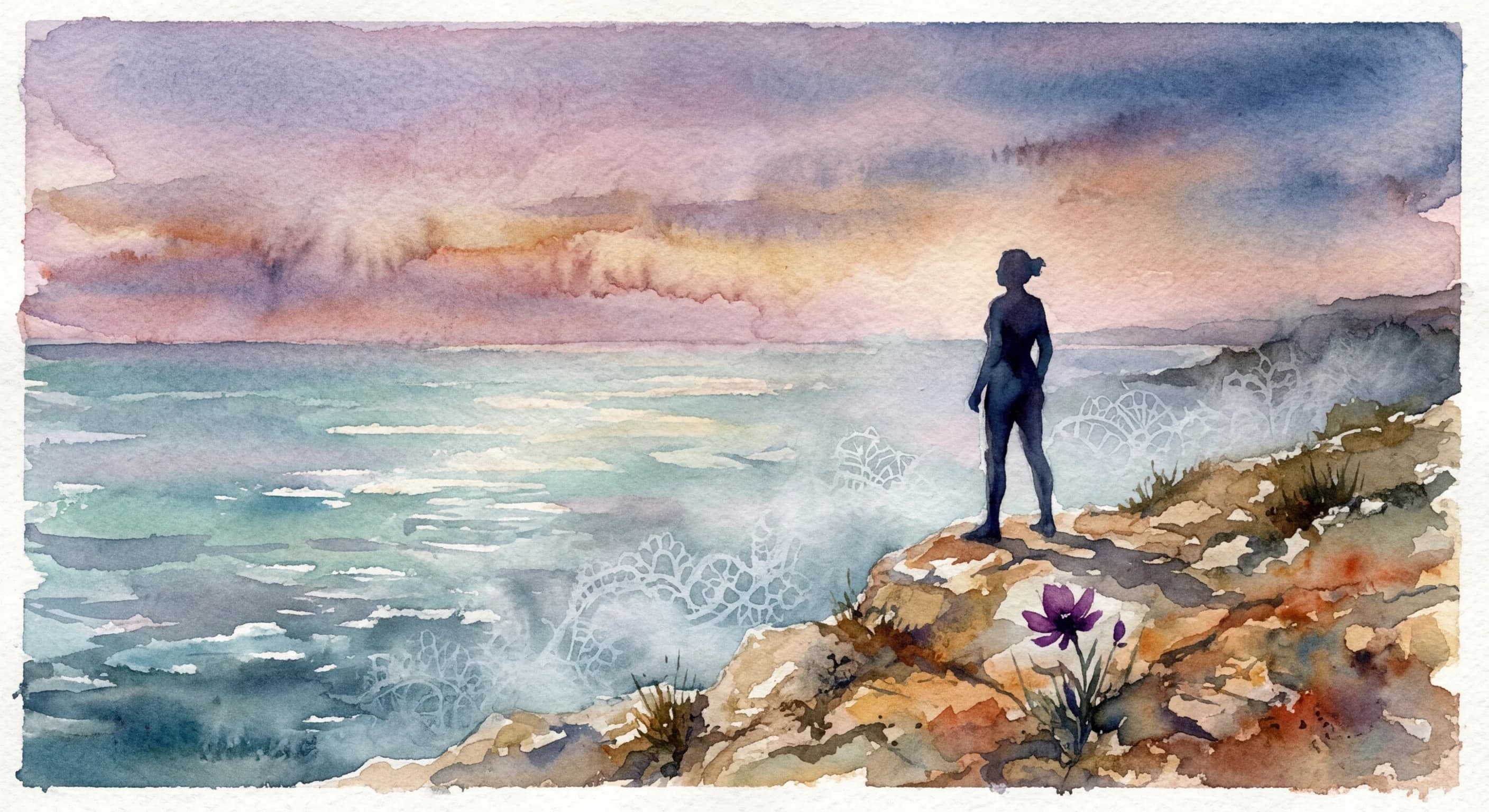
    Artistic representation of dišpet
    Croatian•
    🇧🇦Bosnia and Herzegovina🇭🇷Croatia🇷🇸Serbia

    Dišpet

    /DEESH-pet/

    Meaning

    Dišpet is far more than mere spite; it's a defiant act born of a deep-seated need to assert one's autonomy and pride, especially when feeling challenged or underestimated. It manifests as a stubborn, often theatrical, refusal to conform or back down, even if it means acting against one's own immediate interest. This spirited defiance is performed with a certain bravado, a declarative statement of individuality that elevates the act beyond simple negativity into a form of self-affirmation.

    Literal Translation

    spite, stubbornness

    The Story Behind the Word

    The concept of dišpet is deeply embedded in the Croatian, particularly Dalmatian, psyche, reflecting centuries of resilience against various foreign rulers and challenging environments. It speaks to a historical narrative of a people who, despite being under external pressures, fiercely guarded their identity and autonomy. Dišpet is a manifestation of a proud, independent spirit, a way of saying 'you can control my circumstances, but you cannot control my will.' It reveals a culture that values steadfastness and a certain 'never say die' attitude, seeing defiance not as childish obstinacy, but as a vital component of dignity and self-respect. It's a quiet rebellion, often played out on a personal scale, that reinforces a collective sense of enduring strength.

    Experience It

    The Unyielding Fisherman

    Despite a storm brewing, an old fisherman insists on going out to sea, not because he needs the catch, but because a rival questioned his courage. His wife sighs, knowing it's pure dišpet driving him, a refusal to be seen as weak.

    Grandma's Secret Recipe

    When her daughter-in-law suggested a 'modern' twist to a traditional family dish, the Croatian grandmother, with a twinkle in her eye, made it exactly as her grandmother did, perhaps even richer, purely out of dišpet to uphold tradition.

    The Deeper Meaning

    Dišpet illuminates a worldview where personal dignity and the assertion of one's will can supersede practical concerns. It suggests a philosophy where defiance isn't just a reaction, but an active choice to maintain integrity against perceived slights or external pressures. It embodies the idea that true freedom lies in the spirit's refusal to be broken, regardless of circumstance.

    Did You Know?

    Dišpet often carries an underlying sense of humor and self-awareness; the person acting with dišpet knows it might be irrational, but commits to it with a proud flourish anyway.

    How It's Used

    Used to describe an action taken out of spite, stubbornness, or defiance, often with a sense of pride in the act.

    Emotion
    pride
    Contexts
    conflict,daily life
    🇧🇦Bosnia and Herzegovina🇭🇷Croatia🇷🇸Serbia

    by Anya Petrova·Written Mar 10, 2026·Updated Apr 3, 2026

    Related Words

    Explore more
    HyggeDanish

    Hygge is more than mere coziness; it's a holistic embrace of comfort, warmth, and belonging that nourishes the soul. It describes the intentional creation of an intimate atmosphere where simple pleasures, genuine connection, and mindful presence converge, fostering a profound sense of contentment and well-being. It's about finding joy and peace in the small, everyday moments, often shared with loved ones.

    SaudadePortuguese

    Saudade encapsulates a profound, melancholic longing for something or someone cherished that is absent, often with the bittersweet knowledge that it may never return. It's a deep emotional state tinged with nostalgia, evoking a sense of loss for past experiences, places, or people, yet also holding a tender appreciation for the beauty of what once was. This yearning is not merely sadness, but a complex tapestry of desire, memory, and a poignant acceptance of absence, holding the beloved in a warm, persistent embrace within the heart.

    GezelligDutch

    Gezellig encapsulates a profound sense of warmth, belonging, and convivial comfort, extending beyond mere coziness to embrace the social and emotional atmosphere. It's the feeling of being truly at ease, surrounded by good company, laughter, and a shared sense of contentment. This untranslatable term describes not just a physical space, but a holistic experience where time seems to slow down, fostering genuine connection and a deep sense of well-being.

    Dolce far nienteItalian

    Dolce far niente captures the profound joy and effortless pleasure derived from simply existing without obligation or purpose. It's the art of savoring moments of pure, unadulterated idleness – lying in the sun, watching the clouds drift, or enjoying a leisurely coffee – not as a break from work, but as a valuable state in itself. This 'sweetness of doing nothing' is a conscious embrace of stillness and contentment, allowing the soul to breathe and the senses to fully engage with the present.