U.
HomeRegionsLanguagesEmotionsCollections
Find Your Word

“The limits of my language mean the limits of my world.”

— Ludwig Wittgenstein, Philosopher

Untranslatable

A curated collection of the world's most beautiful expressions—words that remind us language is humanity's greatest invention.

  • Home
  • Collections
  • Regions
  • Countries
  • Emotions
  • Tags
  • Contexts
  • Finder
  • Europe
  • Asia
  • Americas
  • Africa
  • Middle East
  • About
  • Contact
  • Privacy Policy
  • Terms of Service

2026 © Untranslatable. All rights reserved.

    /
    /
    1. Home
    2. /
    3. Europe
    4. /
    5. Konoba
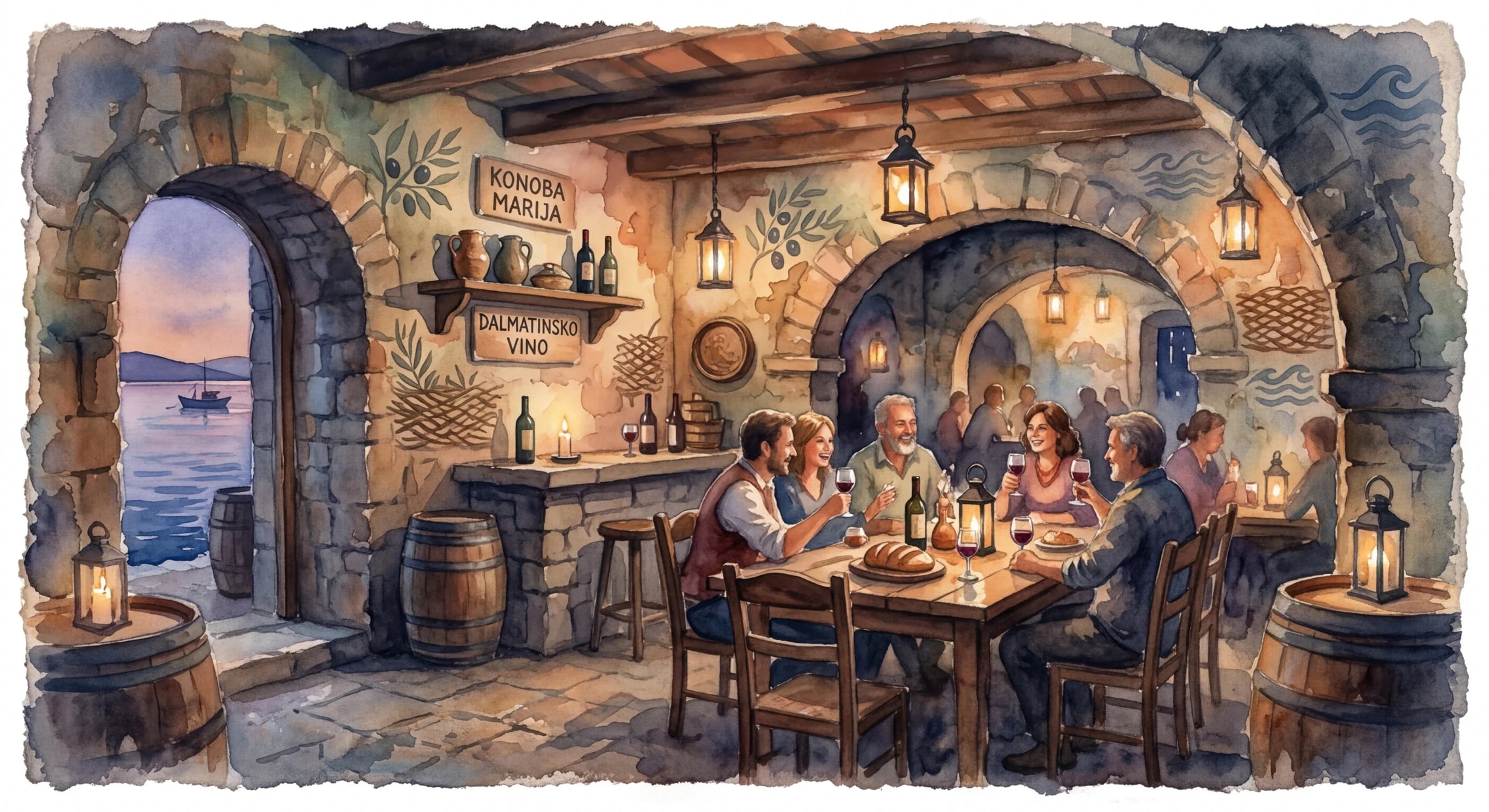
    Artistic representation of konoba
    Croatian•
    🇧🇦Bosnia and Herzegovina🇭🇷Croatia🇲🇪Montenegro🇸🇮Slovenia

    Konoba

    /koh-NOH-bah/

    Meaning

    A konoba is far more than a mere eatery; it's a cherished Croatian institution, often nestled in a cool, stone-walled space, that embodies the very soul of Adriatic hospitality. It's where the day's fresh catch meets generations-old recipes, where local wines flow freely, and where genuine human connection takes precedence over pretense. This rustic, unvarnished setting fosters a profound sense of community, inviting both locals and travelers to partake in the simple, hearty pleasures of life, steeped in tradition and authentic warmth.

    Literal Translation

    cellar

    The Story Behind the Word

    The konoba's existence is deeply rooted in Croatia's Mediterranean and Adriatic history, particularly in areas where fishing and agriculture sustained communities. Historically, the 'cellar' (its literal meaning) was a practical space for storing wine, olive oil, and cured meats. Over time, these functional spaces naturally evolved into informal gathering spots where families and friends would share meals and stories. This transformation reflects a cultural value placed on communal dining, resourcefulness, and the preservation of traditional culinary practices. The konoba embodies a resistance to fast-paced modern life, offering a sanctuary where time slows down, and the emphasis is on authentic flavors, local produce, and the enduring bonds of community. It reveals a people who cherish their heritage, their land, and the simple, yet profound, act of sharing good food and drink.

    Experience It

    Evening Gathering

    After a long day fishing, old Luka gathers his friends in his konoba. The scent of grilled sardines and garlic fills the air as they share a carafe of homemade wine, recounting tales of the sea and laughing late into the night, the stone walls absorbing their joyous sounds.

    Family Celebration

    A family celebrates a birthday in a bustling konoba. Children run between tables while adults feast on peka-cooked lamb, passing plates and refilling glasses, the warm, intimate atmosphere making everyone feel like part of one big, happy family.

    The Deeper Meaning

    The konoba embodies a philosophy of 'pomalo' – a relaxed, unhurried approach to life, particularly prevalent in Dalmatia. It champions the values of communal enjoyment, the celebration of local bounty, and the importance of human connection over material extravagance. It suggests that true richness lies in shared experiences, good food, and the warmth of genuine hospitality, offering a counterpoint to the complexities of the modern world.

    Did You Know?

    Many konobas still feature an open fireplace or a 'peka' (bell-shaped lid) for slow-cooking traditional dishes, a testament to their ancient culinary roots and commitment to authentic flavors.

    How It's Used

    Used to refer to a traditional tavern, cellar, or rustic dining establishment, particularly in coastal regions of the Adriatic.

    Emotions
    belonging,comfort,joy,warmth
    Contexts
    celebration,dining,friendship,relaxation
    🇧🇦Bosnia and Herzegovina🇭🇷Croatia🇲🇪Montenegro🇸🇮Slovenia

    by Annelise Dubois·Written Mar 10, 2026·Updated Apr 3, 2026

    Related Words

    Explore more
    HyggeDanish

    Hygge is more than mere coziness; it's a holistic embrace of comfort, warmth, and belonging that nourishes the soul. It describes the intentional creation of an intimate atmosphere where simple pleasures, genuine connection, and mindful presence converge, fostering a profound sense of contentment and well-being. It's about finding joy and peace in the small, everyday moments, often shared with loved ones.

    SaudadePortuguese

    Saudade encapsulates a profound, melancholic longing for something or someone cherished that is absent, often with the bittersweet knowledge that it may never return. It's a deep emotional state tinged with nostalgia, evoking a sense of loss for past experiences, places, or people, yet also holding a tender appreciation for the beauty of what once was. This yearning is not merely sadness, but a complex tapestry of desire, memory, and a poignant acceptance of absence, holding the beloved in a warm, persistent embrace within the heart.

    GezelligDutch

    Gezellig encapsulates a profound sense of warmth, belonging, and convivial comfort, extending beyond mere coziness to embrace the social and emotional atmosphere. It's the feeling of being truly at ease, surrounded by good company, laughter, and a shared sense of contentment. This untranslatable term describes not just a physical space, but a holistic experience where time seems to slow down, fostering genuine connection and a deep sense of well-being.

    Dolce far nienteItalian

    Dolce far niente captures the profound joy and effortless pleasure derived from simply existing without obligation or purpose. It's the art of savoring moments of pure, unadulterated idleness – lying in the sun, watching the clouds drift, or enjoying a leisurely coffee – not as a break from work, but as a valuable state in itself. This 'sweetness of doing nothing' is a conscious embrace of stillness and contentment, allowing the soul to breathe and the senses to fully engage with the present.