Dor
/DOHR/
Meaning
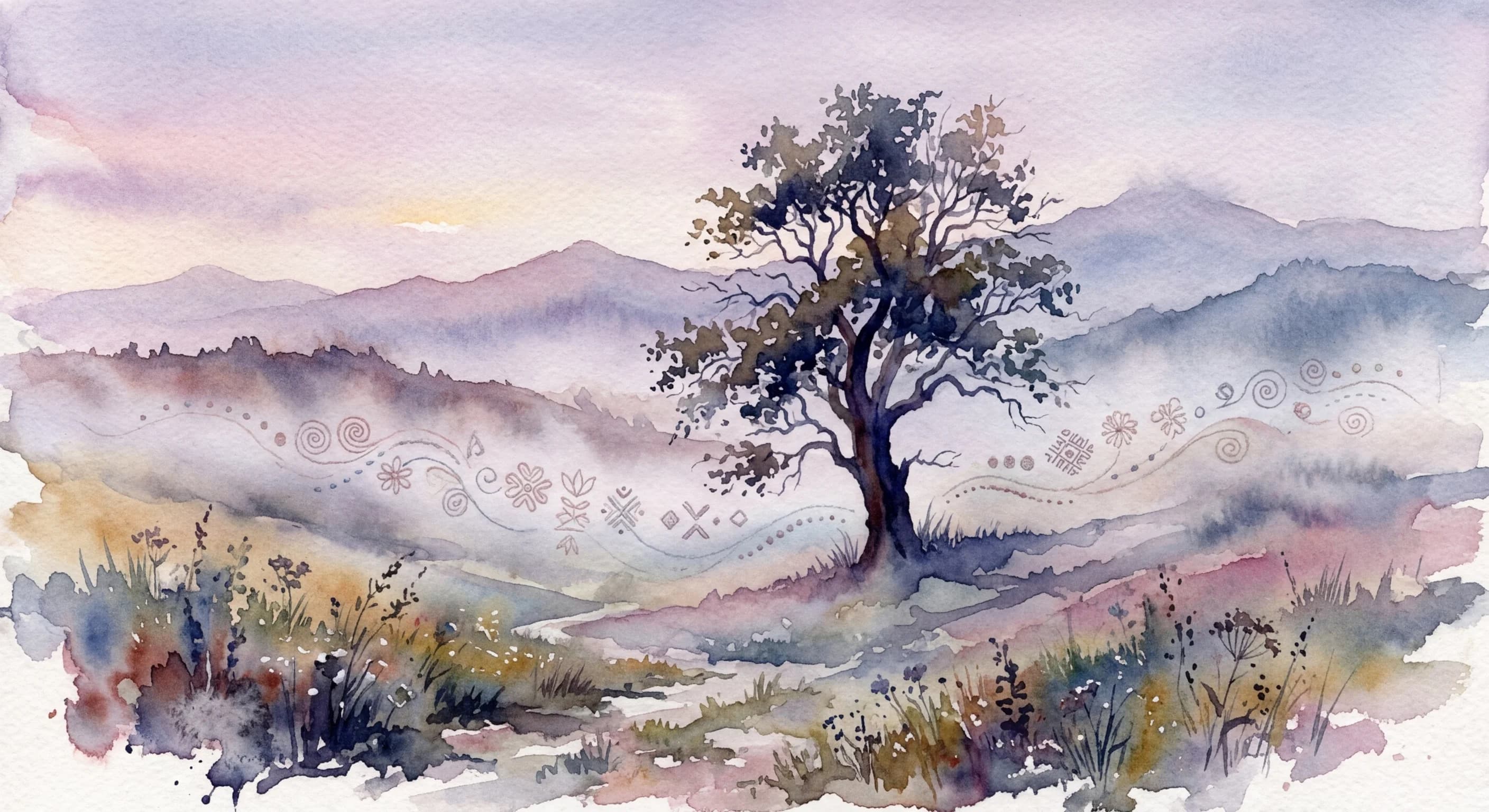
In Romanian, 'dor' is a profound and intensely personal emotional state, transcending simple longing or nostalgia. It signifies a deep, often melancholic ache for someone, something, or a time that is absent, distant, or irrevocably lost. This bittersweet yearning is not merely sadness but a cherished connection to what is missed, a beautiful pain that acknowledges the object of affection's significance precisely through its absence. It imbues memory and desire with a soulful depth, making the heart feel both heavy and full.
Literal Translation
longing, yearning, missing
The Story Behind the Word
The concept of 'dor' is deeply embedded in Romanian national identity, resonating through folk music (doina), poetry, and everyday conversation. Its prevalence suggests a cultural disposition towards introspection, a valuing of emotional depth, and perhaps a historical resilience born from periods of separation and loss. Romanians often speak of 'dor' as a noble sentiment, a testament to the strength of their affections and memories. It reflects a worldview where the past and absent are not simply forgotten but continuously held close, shaping the present emotional landscape. This enduring connection to what is missed highlights a culture that embraces both joy and sorrow as integral parts of the human experience, finding beauty even in melancholy.
Experience It
Missing Home's Embrace
A young Romanian student, studying abroad, gazes at a photograph of her childhood village. She feels a profound 'dor' for the smell of her grandmother's cooking and the familiar chatter of her family, a longing that makes her heart ache yet also connects her deeply to her roots.
Echoes of Lost Love
An elderly man sits by the window, watching the rain. He feels a 'dor' for his late wife, a yearning not just for her presence but for the shared laughter and quiet companionship of their life together, a feeling that is both painful and a cherished reminder of their love.
The Deeper Meaning
The pervasive nature of 'dor' in Romanian culture reveals a philosophical acceptance of absence as an intrinsic part of existence. It suggests that true connection transcends physical presence, and memory holds an almost sacred power. This word embodies a worldview where the heart finds meaning not just in what it possesses, but profoundly in what it yearns for, highlighting the enduring nature of love and attachment even in separation.
Did You Know?
The word 'dor' is so unique to Romanian that it's often considered one of the most untranslatable words globally, encapsulating a specific emotional spectrum found nowhere else quite as precisely.
How It's Used
Used to express a deep sense of longing or nostalgia for someone or something absent.