U.
HomeRegionsLanguagesEmotionsCollections
Find Your Word

“The limits of my language mean the limits of my world.”

— Ludwig Wittgenstein, Philosopher

Untranslatable

A curated collection of the world's most beautiful expressions—words that remind us language is humanity's greatest invention.

  • Home
  • Collections
  • Regions
  • Countries
  • Emotions
  • Tags
  • Contexts
  • Finder
  • Europe
  • Asia
  • Americas
  • Africa
  • Middle East
  • About
  • Contact
  • Privacy Policy
  • Terms of Service

2026 © Untranslatable. All rights reserved.

    /
    /
    1. Home
    2. /
    3. Europe
    4. /
    5. A se nărăvi
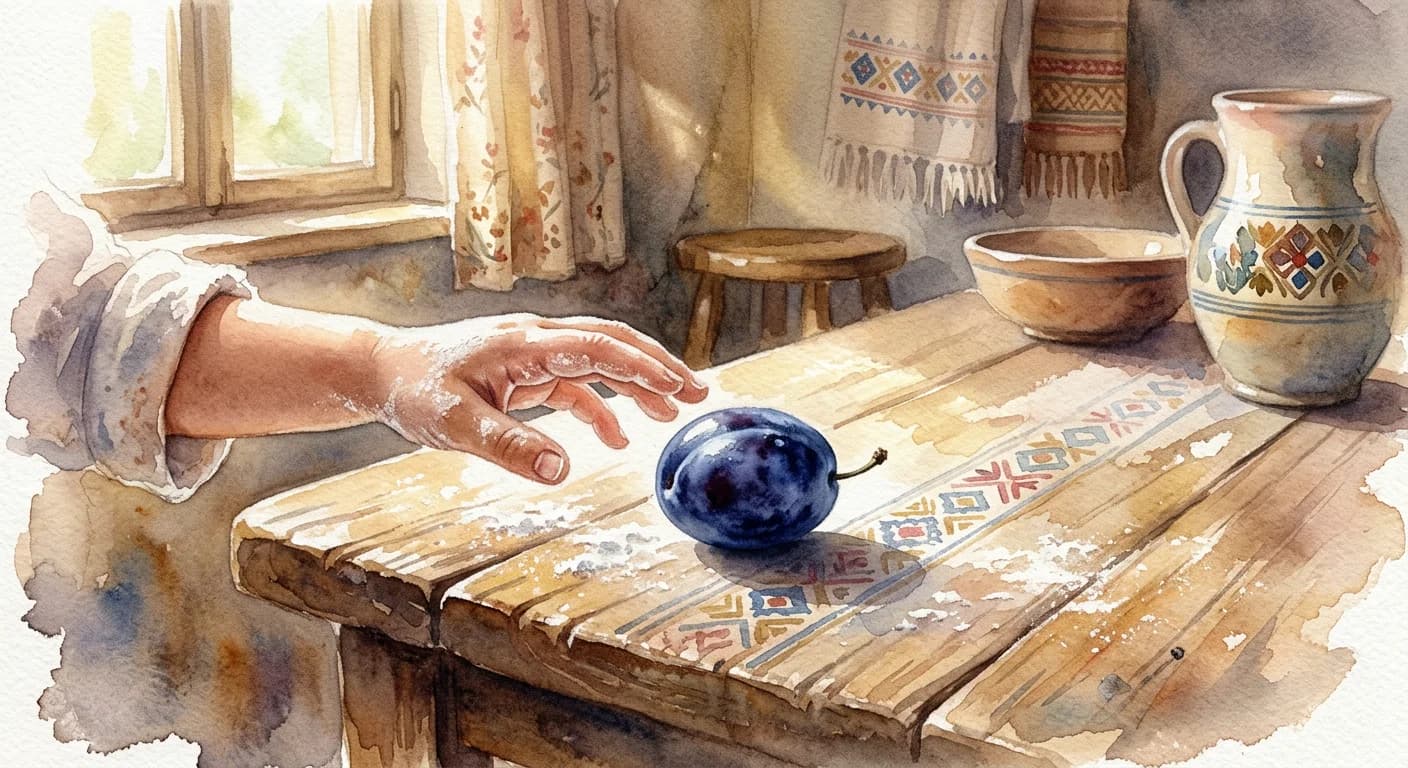
    Artistic representation of a se nărăvi
    Romanian•
    🇷🇴Romania

    A se nărăvi

    /ah seh nuh-RUHV-ee/

    Meaning

    This Romanian phrase encapsulates the charming, yet sometimes challenging, process by which a young child or animal develops a deeply ingrained and stubborn preference for something specific, most often a particular food or activity. It's more than a fleeting liking; it signifies a strong, almost ritualistic attachment that becomes central to their routine and comfort. The term beautifully conveys the endearing intensity of early attachments, highlighting how little ones explore their world through repeated, focused engagement, often to the delightful exasperation of their caregivers.

    Literal Translation

    to get addicted/accustomed to oneself

    The Story Behind the Word

    The existence of "a se nărăvi" in Romanian culture speaks volumes about the emphasis placed on childhood development, nurturing, and the close observation of familial bonds. In a society that traditionally values family and communal life, the habits and preferences of children are not merely tolerated but often become a focal point of discussion and gentle negotiation within the household. This word reflects a cultural understanding that early habits, even seemingly trivial ones, can be powerful and shape a child's character. It also subtly acknowledges the parent's role in both indulging and gently guiding these nascent inclinations, recognizing the fine line between fostering comfort and preventing stubbornness. It highlights a pragmatic approach to child-rearing where adapting to a child's strong preferences is often seen as a temporary, if sometimes amusing, necessity.

    Experience It

    The Cereal Fixation

    Little Radu has 'se nărăvit' to his morning cornflakes. Every day, he refuses any other breakfast, insisting on his crunchy cereal, much to his mother's amused resignation. It's become a small, daily ritual he fiercely defends.

    Puppy's Preferred Toy

    Our new puppy, Max, 's-a nărăvit' to that squeaky blue ball. He won't play with any other toy; if you throw a different one, he just looks at you expectantly until the blue ball reappears. It's his favorite comfort object.

    The Deeper Meaning

    This phrase subtly underscores a philosophy that acknowledges the profound impact of early experiences and repeated actions in shaping an individual's inclinations. It suggests that habits, particularly in formative years, are not just superficial choices but become deeply woven into one's sense of comfort and identity. It reveals a cultural understanding of human nature that values predictability and the comforting power of routine, especially for the young and impressionable.

    Did You Know?

    While often used for children, Romanians might humorously apply 'a se nărăvi' to an adult who suddenly develops an unshakeable, peculiar habit, like always drinking coffee from a specific mug.

    How It's Used

    Used to describe a child or young animal developing a strong preference or habit, especially for food or a particular activity.

    Emotions
    belonging,comfort,warmth
    Contexts
    childhood,family
    🇷🇴Romania

    by Annelise Dubois·Written Mar 10, 2026·Updated Apr 3, 2026

    Related Words

    Explore more
    HyggeDanish

    Hygge is more than mere coziness; it's a holistic embrace of comfort, warmth, and belonging that nourishes the soul. It describes the intentional creation of an intimate atmosphere where simple pleasures, genuine connection, and mindful presence converge, fostering a profound sense of contentment and well-being. It's about finding joy and peace in the small, everyday moments, often shared with loved ones.

    SaudadePortuguese

    Saudade encapsulates a profound, melancholic longing for something or someone cherished that is absent, often with the bittersweet knowledge that it may never return. It's a deep emotional state tinged with nostalgia, evoking a sense of loss for past experiences, places, or people, yet also holding a tender appreciation for the beauty of what once was. This yearning is not merely sadness, but a complex tapestry of desire, memory, and a poignant acceptance of absence, holding the beloved in a warm, persistent embrace within the heart.

    GezelligDutch

    Gezellig encapsulates a profound sense of warmth, belonging, and convivial comfort, extending beyond mere coziness to embrace the social and emotional atmosphere. It's the feeling of being truly at ease, surrounded by good company, laughter, and a shared sense of contentment. This untranslatable term describes not just a physical space, but a holistic experience where time seems to slow down, fostering genuine connection and a deep sense of well-being.

    Dolce far nienteItalian

    Dolce far niente captures the profound joy and effortless pleasure derived from simply existing without obligation or purpose. It's the art of savoring moments of pure, unadulterated idleness – lying in the sun, watching the clouds drift, or enjoying a leisurely coffee – not as a break from work, but as a valuable state in itself. This 'sweetness of doing nothing' is a conscious embrace of stillness and contentment, allowing the soul to breathe and the senses to fully engage with the present.