U.
HomeRegionsLanguagesEmotionsCollections
Find Your Word

“The limits of my language mean the limits of my world.”

— Ludwig Wittgenstein, Philosopher

Untranslatable

A curated collection of the world's most beautiful expressions—words that remind us language is humanity's greatest invention.

  • Home
  • Collections
  • Regions
  • Countries
  • Emotions
  • Tags
  • Contexts
  • Finder
  • Europe
  • Asia
  • Americas
  • Africa
  • Middle East
  • About
  • Contact
  • Privacy Policy
  • Terms of Service

2026 © Untranslatable. All rights reserved.

    /
    /
    1. Home
    2. /
    3. Europe
    4. /
    5. A se pârgui
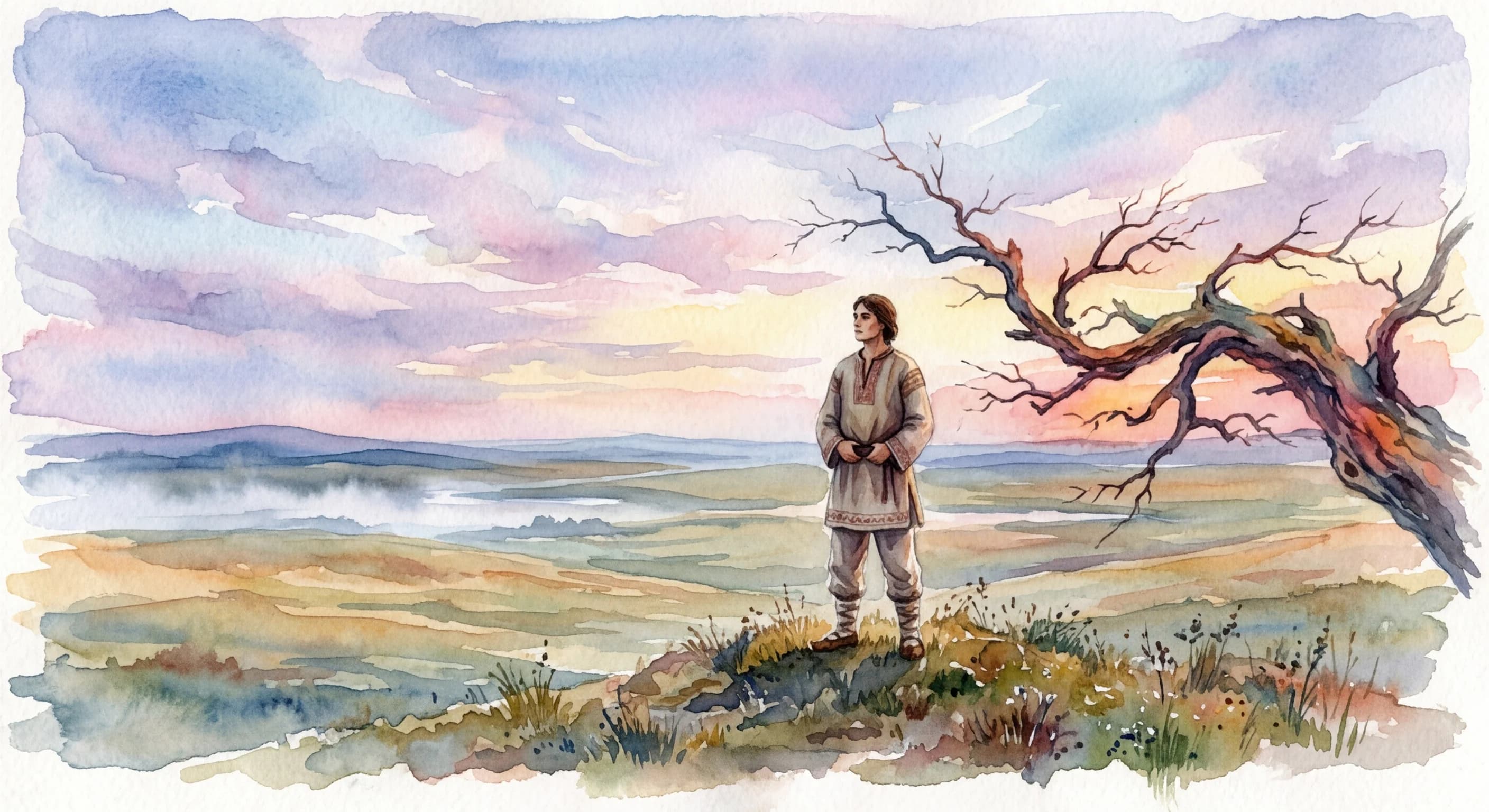
    Artistic representation of a se pârgui
    Romanian•
    🇷🇴Romania

    A se pârgui

    /ah seh par-GOO-ee/

    Meaning

    To "a se pârgui" is to consciously and deliberately immerse oneself in a challenging or even painful situation, not merely out of necessity, but with an almost ritualistic intent. It describes embracing adversity head-on, allowing its 'fire' to test and refine one's character, often with a stoic acceptance of the inherent discomfort. This act implies a profound belief that enduring hardship can lead to a deeper understanding, personal growth, or a form of spiritual purification, transforming weakness into resilience.

    Literal Translation

    to scorch oneself

    The Story Behind the Word

    The concept of "a se pârgui" is deeply rooted in the Romanian historical experience, marked by centuries of foreign occupation, natural disasters, and economic struggles. This constant confrontation with hardship fostered a cultural resilience and a pragmatic, often fatalistic, acceptance of suffering as an unavoidable part of life. It reflects a traditional worldview where character is forged in the crucible of adversity, and true strength is not the absence of pain, but the capacity to endure and even draw meaning from it. This stoicism is often intertwined with Orthodox Christian beliefs, where suffering can be seen as a path to spiritual purification or a test of faith. It's a testament to a people who have learned to find a strange dignity and self-knowledge in facing the 'scorching' realities of their existence, rather than shying away.

    Experience It

    Embracing the Cold

    After a week of intense training in the mountains, Ion decided to sleep outside in the biting cold, despite having a warm cabin nearby. He wanted to "a se pârgui" himself, to truly feel the elements and push his limits, believing it would sharpen his resolve for the upcoming expedition.

    Confronting Criticism

    Maria, a young artist, deliberately sought out the most critical and seasoned art critics to review her raw, experimental work. She knew their feedback would be harsh, but she chose to "a se pârgui", allowing their critiques to challenge her artistic vision and force her to grow, rather than seek easy praise.

    The Deeper Meaning

    This word reveals a profound Romanian philosophy that views adversity not as an obstacle to be avoided, but as a necessary catalyst for transformation and self-discovery. It embodies a stoic acceptance of suffering as a forge for character, suggesting that true wisdom and resilience are earned through deliberate engagement with life's harsher realities. It’s a testament to the belief that the deepest insights often emerge from the most uncomfortable experiences.

    Did You Know?

    The literal root 'pârguí' originally refers to fruit ripening under the sun, suggesting a process of maturation and sweetening through exposure to intense conditions.

    How It's Used

    Used to describe someone who willingly puts themselves in a painful or challenging situation, often for personal growth or to prove a point.

    Emotions
    acceptance,resilience
    Contexts
    daily life,personal growth
    🇷🇴Romania

    by Annelise Dubois·Written Mar 10, 2026·Updated Apr 3, 2026

    Related Words

    Explore more
    HyggeDanish

    Hygge is more than mere coziness; it's a holistic embrace of comfort, warmth, and belonging that nourishes the soul. It describes the intentional creation of an intimate atmosphere where simple pleasures, genuine connection, and mindful presence converge, fostering a profound sense of contentment and well-being. It's about finding joy and peace in the small, everyday moments, often shared with loved ones.

    SaudadePortuguese

    Saudade encapsulates a profound, melancholic longing for something or someone cherished that is absent, often with the bittersweet knowledge that it may never return. It's a deep emotional state tinged with nostalgia, evoking a sense of loss for past experiences, places, or people, yet also holding a tender appreciation for the beauty of what once was. This yearning is not merely sadness, but a complex tapestry of desire, memory, and a poignant acceptance of absence, holding the beloved in a warm, persistent embrace within the heart.

    GezelligDutch

    Gezellig encapsulates a profound sense of warmth, belonging, and convivial comfort, extending beyond mere coziness to embrace the social and emotional atmosphere. It's the feeling of being truly at ease, surrounded by good company, laughter, and a shared sense of contentment. This untranslatable term describes not just a physical space, but a holistic experience where time seems to slow down, fostering genuine connection and a deep sense of well-being.

    Dolce far nienteItalian

    Dolce far niente captures the profound joy and effortless pleasure derived from simply existing without obligation or purpose. It's the art of savoring moments of pure, unadulterated idleness – lying in the sun, watching the clouds drift, or enjoying a leisurely coffee – not as a break from work, but as a valuable state in itself. This 'sweetness of doing nothing' is a conscious embrace of stillness and contentment, allowing the soul to breathe and the senses to fully engage with the present.

    Featured in 1 collection

    💪Words of Resilience