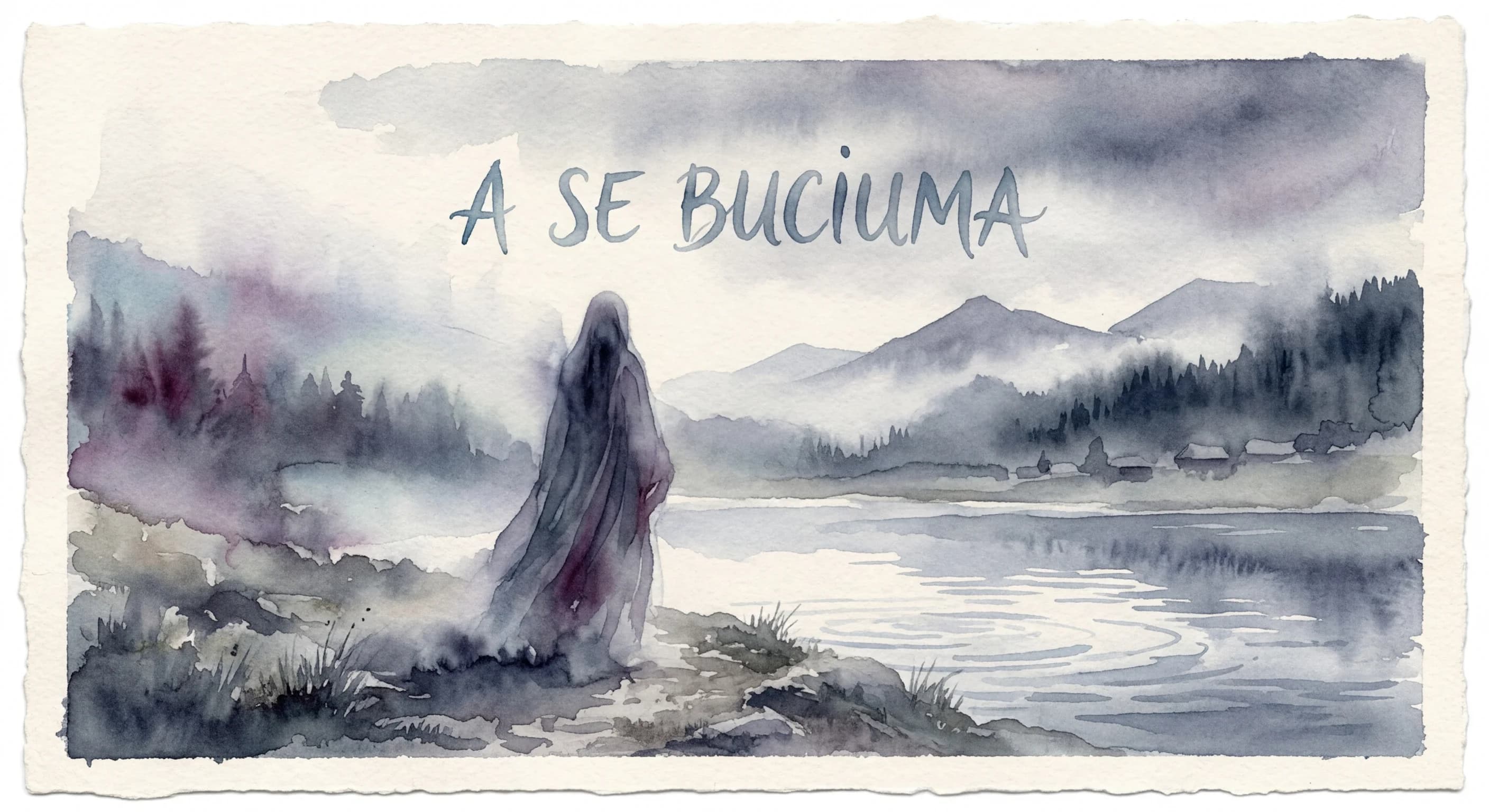
A se zbuciuma
/uh suh zoo-choo-mah/
Meaning
To "a se zbuciuma" is to experience a profound, visceral state of internal turmoil, where one's emotions are not merely distressed but actively churning and thrashing within. It describes a restless agitation that manifests both emotionally and physically, like an inner storm preventing peace. This state goes beyond simple upset, signifying a deep-seated struggle where one's mind and body are unable to settle, caught in a chaotic dance of worry, grief, or overwhelming anxiety. It's the feeling of being internally unsettled, making clear thought and calm impossible.
Literal Translation
to agitate oneself
The Story Behind the Word
The existence of "a se zbuciuma" in Romanian culture speaks to a deep recognition of the interconnectedness of emotional and physical well-being, particularly in the face of hardship. Romanian history, marked by centuries of foreign occupation, natural disasters, and economic struggles, has often necessitated a resilience that acknowledges profound internal suffering. This word captures the very real experience of internal struggle when external circumstances are overwhelming or when personal tragedies strike. It suggests a cultural understanding that emotional distress isn't just a mental state but a full-body experience, a kind of internal 'agitation' that reflects life's often tumultuous nature. It reveals a culture that permits and names this deep, unsettling emotional unrest, rather than expecting it to be stoically suppressed.
Experience It
Waiting for News
Maria couldn't sit still, pacing the small apartment as she waited for the hospital's call. Her stomach was in knots, her heart racing, and she felt like she was "a se zbuciuma" with worry for her sick child.
Grief's Embrace
After the funeral, Ion found himself unable to sleep, his mind replaying memories, his chest tight with a pain that felt like a physical churning. He was truly "a se zbuciuma" with grief, unable to find a moment's peace.
The Deeper Meaning
This phrase reflects a worldview where the human experience is acknowledged as deeply embodied, where emotions are not abstract concepts but tangible forces that can literally 'agitate' one's core. It suggests an acceptance of suffering as an intense, often chaotic internal process, rather than a purely mental state. This holistic view of distress highlights a culture that understands the profound impact of inner turmoil on one's entire being.
Did You Know?
The root 'bucium' refers to a traditional Romanian long horn, suggesting the word might evoke the deep, unsettling sound or resonance of profound distress.
How It's Used
Used to describe a state of intense emotional or physical distress, agitation, or inner turmoil.