Búsulni
/BOO-sool-nee/
Meaning
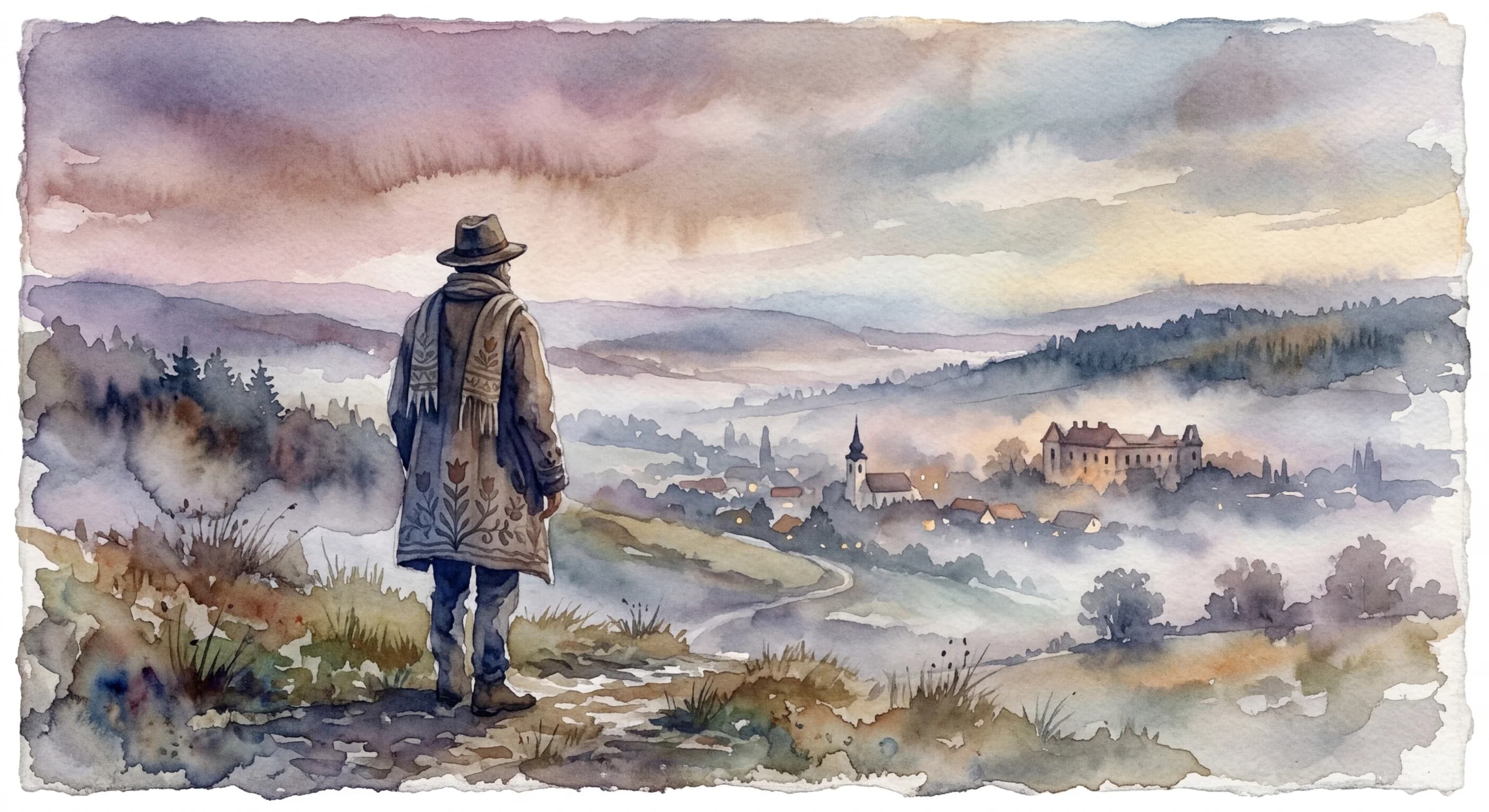
Búsulni describes a deep, introspective melancholy that is not despair but a quiet, brooding sadness, often tinged with resignation. It's a mood where one allows themselves to sink into reflective contemplation, acknowledging life's inevitable hardships and losses without succumbing to active grief. This state is frequently experienced in solitude, offering a peculiar, almost comforting acceptance of sorrow as a shared human experience, a gentle withdrawal into one's inner world to process profound emotions.
Literal Translation
to be sad/melancholy
The Story Behind the Word
The concept of "búsulni" is deeply woven into the fabric of Hungarian culture, reflecting a historical narrative often marked by hardship, invasion, and loss of sovereignty. This history has fostered a collective psyche that embraces a certain melancholic realism, where sorrow is not to be avoided but understood as an intrinsic part of existence. Hungarian folk music, literature, and poetry frequently explore themes of quiet suffering, longing (vágy), and the beauty found in bittersweet emotions. It suggests a culture that values introspection and emotional depth, where acknowledging sadness is seen as a sign of sensitivity and wisdom, rather than weakness. This word reveals a worldview where emotional resilience isn't about suppressing pain, but about integrating it into one's understanding of life.
Experience It
Autumnal Contemplation
Sitting by the window as the first autumn leaves fall, an elderly woman gazes out, a faint smile playing on her lips. She isn't crying or overtly sad, but a deep sense of 'búsulni' washes over her as she remembers seasons past and loved ones gone, finding a quiet beauty in the passage of time.
Artist's Retreat
A young poet retreats to their study, a half-finished manuscript on the desk. They aren't in distress, but a profound 'búsulni' settles upon them, fueling their creative process as they ponder the complexities of love and existence, translating their inner world into verse.
The Deeper Meaning
Búsulni embodies a philosophical acceptance of life's inherent impermanence and the inevitability of sorrow. It suggests a worldview where suffering is not an anomaly to be overcome, but a fundamental aspect of the human condition to be acknowledged and integrated. This quiet introspection allows for a deeper connection to one's inner self and the collective human experience of melancholy, finding a strange comfort in shared vulnerability.
Did You Know?
The Hungarian language has several words for different shades of sadness, reflecting a nuanced understanding of emotional states, with 'búsulni' being one of the most introspective.
How It's Used
Used to describe a state of being sad, sulky, or in a melancholic mood, often in a reflective or brooding way.