U.
HomeRegionsLanguagesEmotionsCollections
Find Your Word

“The limits of my language mean the limits of my world.”

— Ludwig Wittgenstein, Philosopher

Untranslatable

A curated collection of the world's most beautiful expressions—words that remind us language is humanity's greatest invention.

  • Home
  • Collections
  • Regions
  • Countries
  • Emotions
  • Tags
  • Contexts
  • Finder
  • Europe
  • Asia
  • Americas
  • Africa
  • Middle East
  • About
  • Contact
  • Privacy Policy
  • Terms of Service

2026 © Untranslatable. All rights reserved.

    /
    /
    1. Home
    2. /
    3. Europe
    4. /
    5. Elrévedni
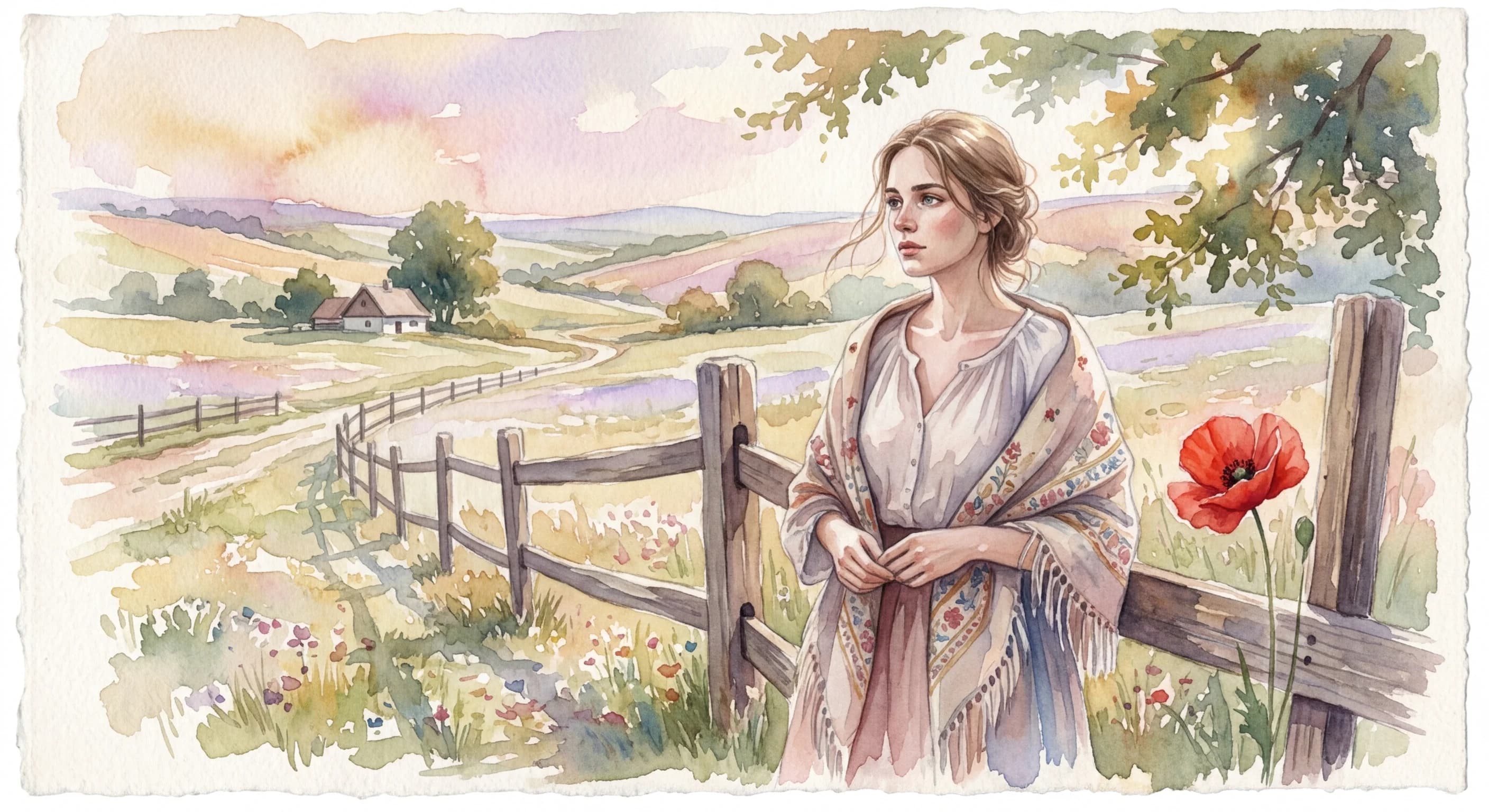
    Artistic representation of elrévedni
    Hungarian•
    🇭🇺Hungary

    Elrévedni

    /EL-ray-ved-nee/

    Meaning

    The Hungarian verb "elrévedni" describes a profound and often involuntary mental journey where a past thought, memory, or emotion vividly resurfaces, momentarily eclipsing the present reality. It's more than mere recollection; it's an immersive reliving, a sudden, almost visceral re-experience triggered by an unexpected sensory input or event. This intense mental excursion pulls one out of the immediate moment, leaving a lingering emotional resonance that is difficult to shake off immediately.

    Literal Translation

    To wander away (mentally)

    The Story Behind the Word

    The existence of "elrévedni" in Hungarian speaks to a cultural predisposition towards introspective reflection and a deep appreciation for the enduring power of memory and emotional experience. Hungarian culture, often shaped by a rich and sometimes tumultuous history, fosters a sensitivity to the past's persistent presence in the present. This word suggests a recognition that the self is not merely a product of current circumstances but a complex tapestry woven from past impressions, readily accessible and capable of reasserting themselves. It highlights a worldview where the inner landscape is as significant, if not more so, than external events, and where moments of quiet contemplation or sudden emotional recall are not just passive occurrences but active, defining elements of human experience.

    Experience It

    Scent of Childhood Past

    Walking past a bakery, the specific aroma of warm, yeasty bread caused her to suddenly elrévedni. She was no longer on the busy street but back in her grandmother's kitchen, a small child watching flour dust the worn wooden table, feeling the comforting warmth of the oven on her face.

    Melody of Lost Love

    A forgotten song began to play softly in the cafe, and he instantly elrévedt. He saw her face, felt the touch of her hand, and heard the echo of their laughter, transported back to a summer evening years ago, every detail achingly clear, making the coffee in front of him taste suddenly bitter.

    The Deeper Meaning

    This word reveals a philosophical understanding that the self is not a static entity, but a dynamic interplay between present consciousness and the indelible imprints of the past. It suggests that memory is not merely a database but a living, breathing component of our being, capable of asserting its presence with profound emotional force, challenging the linearity of time and experience.

    Did You Know?

    While often triggered by pleasant memories, "elrévedni" can also describe the sudden, vivid resurgence of a painful or melancholic past experience.

    How It's Used

    Used to describe a sudden, vivid recollection of a past experience or emotion that unexpectedly takes over one's thoughts.

    Emotions
    bittersweet,longing,nostalgia,wonder
    Contexts
    nature,solitude,travel
    🇭🇺Hungary

    by Annelise Dubois·Written Mar 10, 2026·Updated Apr 3, 2026

    Related Words

    Explore more
    HyggeDanish

    Hygge is more than mere coziness; it's a holistic embrace of comfort, warmth, and belonging that nourishes the soul. It describes the intentional creation of an intimate atmosphere where simple pleasures, genuine connection, and mindful presence converge, fostering a profound sense of contentment and well-being. It's about finding joy and peace in the small, everyday moments, often shared with loved ones.

    SaudadePortuguese

    Saudade encapsulates a profound, melancholic longing for something or someone cherished that is absent, often with the bittersweet knowledge that it may never return. It's a deep emotional state tinged with nostalgia, evoking a sense of loss for past experiences, places, or people, yet also holding a tender appreciation for the beauty of what once was. This yearning is not merely sadness, but a complex tapestry of desire, memory, and a poignant acceptance of absence, holding the beloved in a warm, persistent embrace within the heart.

    GezelligDutch

    Gezellig encapsulates a profound sense of warmth, belonging, and convivial comfort, extending beyond mere coziness to embrace the social and emotional atmosphere. It's the feeling of being truly at ease, surrounded by good company, laughter, and a shared sense of contentment. This untranslatable term describes not just a physical space, but a holistic experience where time seems to slow down, fostering genuine connection and a deep sense of well-being.

    Dolce far nienteItalian

    Dolce far niente captures the profound joy and effortless pleasure derived from simply existing without obligation or purpose. It's the art of savoring moments of pure, unadulterated idleness – lying in the sun, watching the clouds drift, or enjoying a leisurely coffee – not as a break from work, but as a valuable state in itself. This 'sweetness of doing nothing' is a conscious embrace of stillness and contentment, allowing the soul to breathe and the senses to fully engage with the present.