Békebeli
/BAY-keh-beh-lee/
Meaning
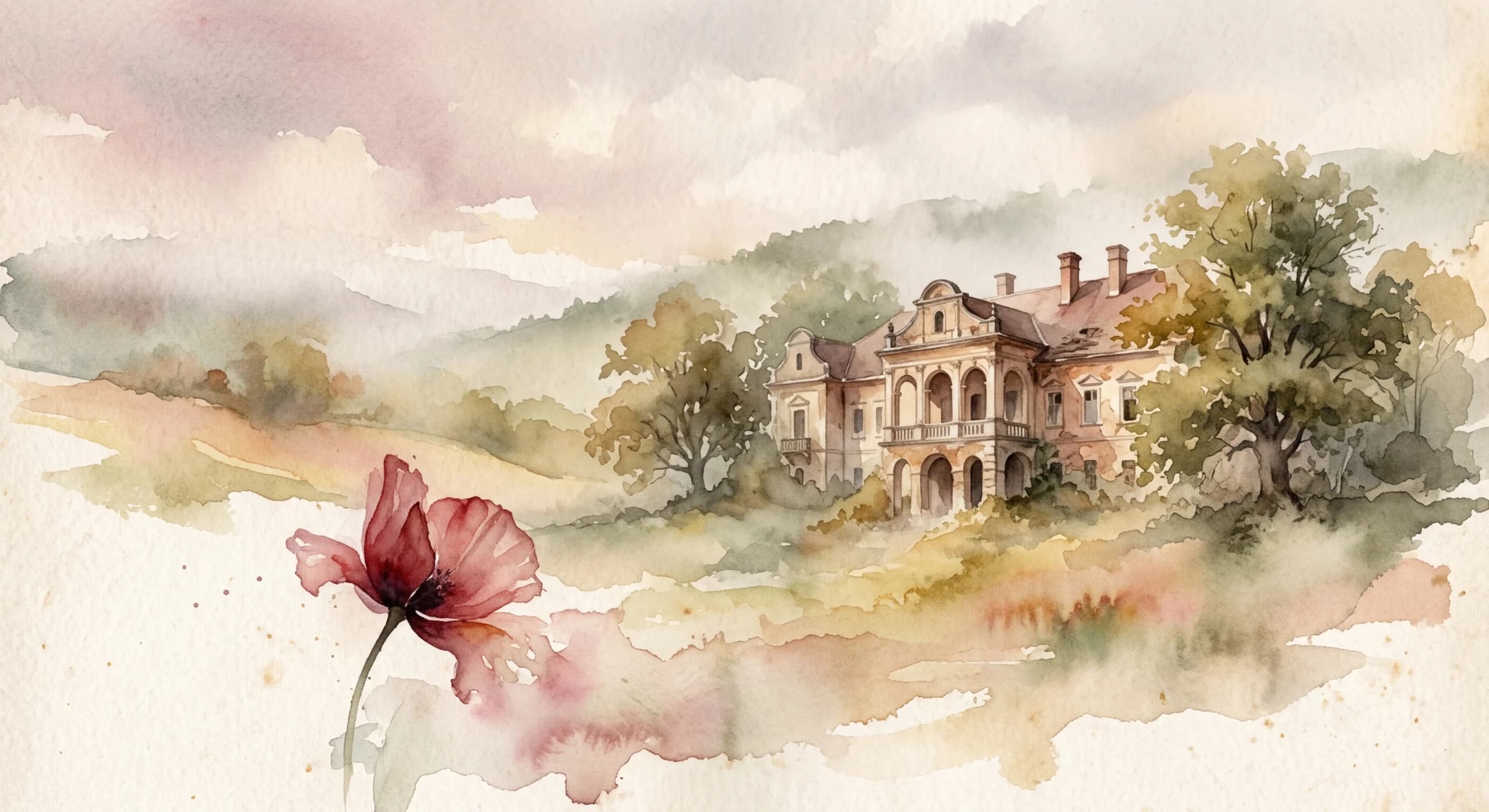
Békebeli describes a cherished, nostalgic longing for the pre-World War I era in Hungary, often romanticized as the 'Golden Age' of the Austro-Hungarian Empire. It evokes a world of perceived stability, genteel manners, traditional values, and a slower pace of life, now irrevocably lost. More than mere historical recall, 'békebeli' carries a bittersweet warmth, a yearning for the tangible atmosphere and intangible spirit of a past seen through rose-tinted glasses, deeply intertwined with national identity and a sense of bygone grandeur.
Literal Translation
peace-time
The Story Behind the Word
The word 'békebeli' is deeply rooted in Hungary's collective memory of the period between the Austro-Hungarian Compromise of 1867 and the outbreak of World War I in 1914. This era was characterized by significant economic growth, cultural flourishing, and a sense of national pride, particularly in Budapest, which transformed into a dazzling European metropolis. The subsequent traumas of two World Wars, the Treaty of Trianon (which drastically reduced Hungary's territory), and decades of communism imbued this pre-war period with an almost mythical quality. 'Békebeli' reflects a profound cultural trauma and a coping mechanism: by idealizing the past, Hungarians can find solace and a touchstone for a perceived national identity that endured immense upheaval. It reveals a culture that values tradition, beauty, and a certain civility, and grapples with the weight of history and loss.
Experience It
Grandmother's Porcelain Tea Set
As Éva carefully unwrapped her grandmother's delicate porcelain tea set, she sighed, 'This is truly békebeli.' The intricate floral patterns and gilded edges transported her to an imagined drawing-room of old, filled with polite conversation and the aroma of freshly brewed tea, a stark contrast to the hurried pace of modern life.
A Budapest Cafe
Sitting in the ornate, historic café, Béla savored his strudel and coffee. The velvet upholstery, the classical music, and the hushed chatter made him feel a profound sense of 'békebeli.' It was a moment where the elegance and tranquility of a bygone era seemed to linger, offering a temporary escape from contemporary anxieties.
The Deeper Meaning
This word encapsulates a profound human tendency to idealize the past, especially in the face of subsequent hardship. It speaks to the psychological comfort derived from a perceived 'golden age' and the enduring power of nostalgia as a cultural lens. 'Békebeli' reveals a worldview that acknowledges the cyclical nature of peace and conflict, implicitly suggesting that genuine, lasting stability is a fragile, precious commodity, often only recognized in retrospect.
Did You Know?
Many Hungarian desserts, architectural styles, and even fashion trends are explicitly labeled 'békebeli' today to signify their authentic, old-world charm and quality, often commanding higher prices.
How It's Used
Used to describe things, people, or atmospheres reminiscent of the pre-WWI era in Hungary, often with a sense of fond nostalgia and a touch of melancholy for times past.