U.
HomeRegionsLanguagesEmotionsCollections
Find Your Word

“The limits of my language mean the limits of my world.”

— Ludwig Wittgenstein, Philosopher

Untranslatable

A curated collection of the world's most beautiful expressions—words that remind us language is humanity's greatest invention.

  • Home
  • Collections
  • Regions
  • Countries
  • Emotions
  • Tags
  • Contexts
  • Finder
  • Europe
  • Asia
  • Americas
  • Africa
  • Middle East
  • About
  • Contact
  • Privacy Policy
  • Terms of Service

2026 © Untranslatable. All rights reserved.

    /
    /
    1. Home
    2. /
    3. Europe
    4. /
    5. Komótos
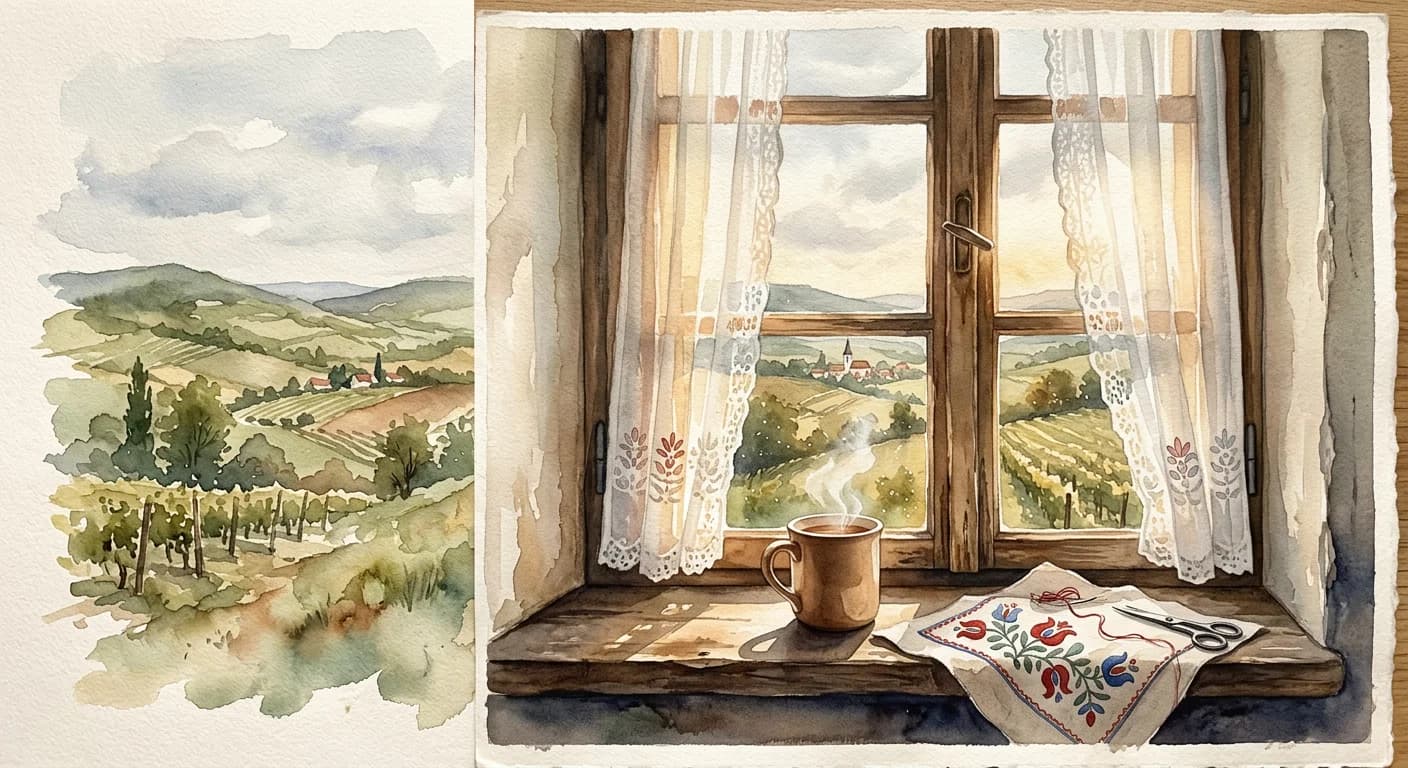
    Artistic representation of komótos
    Hungarian•
    🇭🇺Hungary

    Komótos

    /KOH-moh-tohs/

    Meaning

    Komótos encapsulates a profound sense of serene contentment and unhurried well-being derived from engaging in daily activities with mindful intention and quiet satisfaction. It's the gentle joy found in the rhythm of a meticulously tended garden, the comforting order of a thoughtfully organized home, or the nurturing act of preparing a cherished family meal. This feeling transcends mere comfort, embodying a peaceful, deliberate connection to the present moment, fostering deep inner peace and a sense of belonging in the everyday tapestry of life.

    Literal Translation

    While there isn't a direct literal translation, it relates to concepts of 'comfort' and 'ease'.

    The Story Behind the Word

    The concept of 'komótos' is deeply rooted in Hungarian agrarian traditions and a historical appreciation for self-sufficiency and domesticity. In a land historically shaped by the cycles of nature and often facing external pressures, finding joy and stability in one's immediate environment and daily routines became paramount. It reflects a cultural value placed on resilience, resourcefulness, and the quiet dignity of labor. The word suggests a pre-industrial sensibility where time was not a commodity to be rushed but a medium through which life unfolded, allowing for careful attention to detail and the cultivation of personal spaces as havens of peace. It reveals a worldview where genuine fulfillment is not sought in grand achievements but in the quality of one's engagement with the ordinary, fostering a deep connection to home, hearth, and community.

    Experience It

    Gardening's Gentle Rhythm

    As the afternoon sun warmed her back, Eszter carefully pruned her rose bushes, humming softly. The scent of earth and blossoms filled the air, and she felt a deep, komótos satisfaction in nurturing life and bringing order to her vibrant garden.

    A Baker's Quiet Joy

    Gábor meticulously kneaded the dough for his weekly bread, feeling its elasticity under his hands. The simple, repetitive motion, the forthcoming aroma, and the promise of sustenance brought him a profound komótos, a quiet joy in creating something wholesome for his family.

    The Deeper Meaning

    Komótos embodies a profound philosophical stance: that true happiness often resides not in external pursuits or material gain, but in the mindful, appreciative engagement with the simple, recurring acts of daily living. It champions a life lived with intention and presence, suggesting that cultivating inner peace and contentment is an achievable, everyday art, accessible through connection to one's immediate environment and purpose.

    Did You Know?

    While often associated with physical actions, 'komótos' can also describe a state of mind – a 'komótos' thought process implies deliberate, unhurried contemplation.

    How It's Used

    Used to describe a state of peaceful satisfaction and comfort, often associated with domestic activities or simple, mindful work.

    Emotions
    belonging,comfort,contentment,peace
    Contexts
    dining,family,relaxation,work
    🇭🇺Hungary

    by Sofia Rossi·Written Mar 10, 2026·Updated Apr 3, 2026

    Related Words

    Explore more
    HyggeDanish

    Hygge is more than mere coziness; it's a holistic embrace of comfort, warmth, and belonging that nourishes the soul. It describes the intentional creation of an intimate atmosphere where simple pleasures, genuine connection, and mindful presence converge, fostering a profound sense of contentment and well-being. It's about finding joy and peace in the small, everyday moments, often shared with loved ones.

    SaudadePortuguese

    Saudade encapsulates a profound, melancholic longing for something or someone cherished that is absent, often with the bittersweet knowledge that it may never return. It's a deep emotional state tinged with nostalgia, evoking a sense of loss for past experiences, places, or people, yet also holding a tender appreciation for the beauty of what once was. This yearning is not merely sadness, but a complex tapestry of desire, memory, and a poignant acceptance of absence, holding the beloved in a warm, persistent embrace within the heart.

    GezelligDutch

    Gezellig encapsulates a profound sense of warmth, belonging, and convivial comfort, extending beyond mere coziness to embrace the social and emotional atmosphere. It's the feeling of being truly at ease, surrounded by good company, laughter, and a shared sense of contentment. This untranslatable term describes not just a physical space, but a holistic experience where time seems to slow down, fostering genuine connection and a deep sense of well-being.

    Dolce far nienteItalian

    Dolce far niente captures the profound joy and effortless pleasure derived from simply existing without obligation or purpose. It's the art of savoring moments of pure, unadulterated idleness – lying in the sun, watching the clouds drift, or enjoying a leisurely coffee – not as a break from work, but as a valuable state in itself. This 'sweetness of doing nothing' is a conscious embrace of stillness and contentment, allowing the soul to breathe and the senses to fully engage with the present.