U.
HomeRegionsLanguagesEmotionsCollections
Find Your Word

“The limits of my language mean the limits of my world.”

— Ludwig Wittgenstein, Philosopher

Untranslatable

A curated collection of the world's most beautiful expressions—words that remind us language is humanity's greatest invention.

  • Home
  • Collections
  • Regions
  • Countries
  • Emotions
  • Tags
  • Contexts
  • Finder
  • Europe
  • Asia
  • Americas
  • Africa
  • Middle East
  • About
  • Contact
  • Privacy Policy
  • Terms of Service

2026 © Untranslatable. All rights reserved.

    /
    /
    1. Home
    2. /
    3. Europe
    4. /
    5. Fanyar
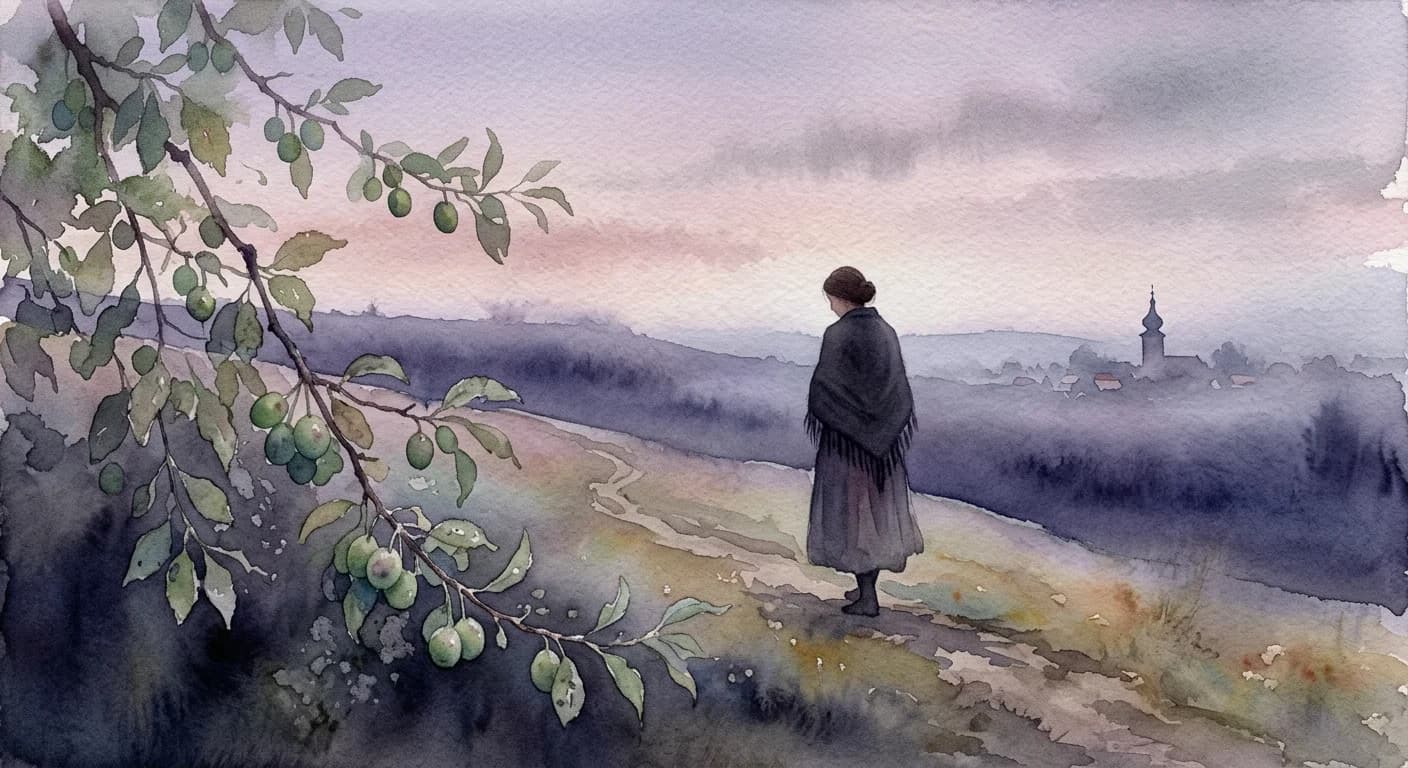
    Artistic representation of fanyar
    Hungarian•
    🇭🇺Hungary

    Fanyar

    /FAHN-yar/

    Meaning

    Fanyar encapsulates a uniquely Hungarian bittersweetness, a complex sensory and emotional blend. It describes the puckering astringency of an unripe fruit, simultaneously sharp and subtly hinting at future sweetness, mirroring a melancholic reflection on the past. This feeling arises from cherished memories tinged with sadness, or experiences that are exquisitely beautiful yet undeniably fleeting, leaving a lingering, almost wistful aftertaste. It's a nuanced appreciation of life's inherent duality, where pleasure and pain, past and present, are inextricably interwoven.

    Literal Translation

    astringent, sourish, or bittersweet

    The Story Behind the Word

    The existence of 'fanyar' in Hungarian culture speaks to a deep-seated appreciation for complexity and a nuanced understanding of emotion, perhaps forged through centuries of historical challenges and periods of both triumph and sorrow. Hungary's geographical position as a crossroads of empires has often meant a 'fanyar' fate – moments of independence followed by subjugation, cultural richness alongside periods of hardship. This constant interplay of light and shadow is reflected in the language, which provides specific terms for these intricate feelings. It suggests a cultural predisposition to acknowledge and even savor the bittersweet, rather than seeking only pure joy or pure sorrow. This word reveals a people who understand that life's most profound experiences often contain elements of both pleasure and pain, and that true wisdom lies in embracing this intricate tapestry.

    Experience It

    Grandmother's Fanyar Smile

    As Éva looked at old photographs of her grandmother, a fanyar smile played on her lips. The pictures captured a vibrant youth long passed, stirring a warmth of love mixed with the pang of knowing those days were gone forever.

    The First Unripe Apple

    Péter bit into the early apple, its crispness immediately giving way to a fanyar tartness that made his mouth water. It wasn't fully sweet, but that hint of future ripeness, combined with the sharp bite, was strangely satisfying.

    The Deeper Meaning

    The concept of 'fanyar' highlights a profound Hungarian philosophical acceptance of life's inherent paradoxes. It suggests that true beauty and depth often emerge from the interplay of opposing forces – joy and sorrow, presence and absence, sweetness and tartness. This worldview encourages a contemplative approach to existence, where one can find richness not just in unadulterated happiness, but also in the poignant, complex emotions that arise from loss, memory, and the passage of time.

    Did You Know?

    While often about taste, 'fanyar' can even describe a personality – someone who is a bit cynical or world-weary, yet possesses a surprising underlying warmth.

    How It's Used

    Primarily used to describe tastes, particularly unripe fruits like apples or pears, but metaphorically extended to describe moods, memories, or situations that evoke a bittersweet feeling.

    Emotions
    bittersweet,melancholy
    Contexts
    dining,seasons
    🇭🇺Hungary

    by Annelise Dubois·Written Mar 10, 2026·Updated Apr 3, 2026

    Related Words

    Explore more
    HyggeDanish

    Hygge is more than mere coziness; it's a holistic embrace of comfort, warmth, and belonging that nourishes the soul. It describes the intentional creation of an intimate atmosphere where simple pleasures, genuine connection, and mindful presence converge, fostering a profound sense of contentment and well-being. It's about finding joy and peace in the small, everyday moments, often shared with loved ones.

    SaudadePortuguese

    Saudade encapsulates a profound, melancholic longing for something or someone cherished that is absent, often with the bittersweet knowledge that it may never return. It's a deep emotional state tinged with nostalgia, evoking a sense of loss for past experiences, places, or people, yet also holding a tender appreciation for the beauty of what once was. This yearning is not merely sadness, but a complex tapestry of desire, memory, and a poignant acceptance of absence, holding the beloved in a warm, persistent embrace within the heart.

    GezelligDutch

    Gezellig encapsulates a profound sense of warmth, belonging, and convivial comfort, extending beyond mere coziness to embrace the social and emotional atmosphere. It's the feeling of being truly at ease, surrounded by good company, laughter, and a shared sense of contentment. This untranslatable term describes not just a physical space, but a holistic experience where time seems to slow down, fostering genuine connection and a deep sense of well-being.

    Dolce far nienteItalian

    Dolce far niente captures the profound joy and effortless pleasure derived from simply existing without obligation or purpose. It's the art of savoring moments of pure, unadulterated idleness – lying in the sun, watching the clouds drift, or enjoying a leisurely coffee – not as a break from work, but as a valuable state in itself. This 'sweetness of doing nothing' is a conscious embrace of stillness and contentment, allowing the soul to breathe and the senses to fully engage with the present.