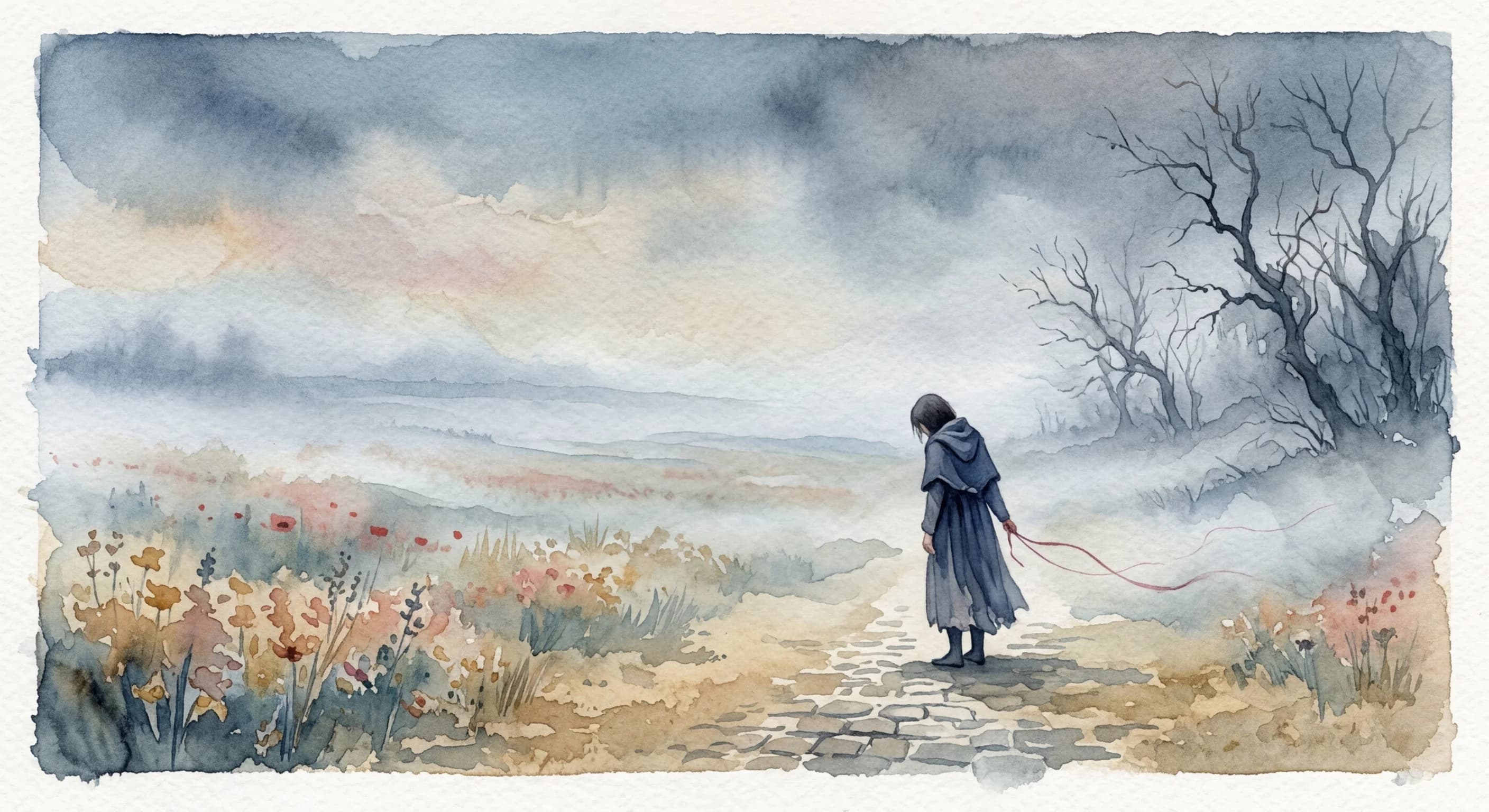
Elárvul
/EL-ar-vool/
Meaning
Elárvul encapsulates a profound, often sorrowful state of being orphaned or left behind, extending far beyond the literal loss of parents. It describes a deep-seated sense of desolation and abandonment that can arise from myriad forms of loss, displacement, or a profound disconnection from one's roots, community, or even one's own sense of self. This term evokes a visceral feeling of vulnerability, a yearning for lost belonging, and the heavy emotional weight of isolation, making it a culturally resonant expression of a deeply personal void.
Literal Translation
orphaned
The Story Behind the Word
The existence and resonance of "elárvul" in Hungarian culture can be traced to Hungary's tumultuous history, marked by centuries of foreign occupation, territorial losses, and forced migrations. These experiences have instilled a collective memory of vulnerability, loss, and a deep yearning for a stable, recognized identity and homeland. The concept of being "orphaned" resonates not just individually, but also collectively, symbolizing the nation's historical struggles to maintain sovereignty and cultural integrity. This deep-seated historical trauma has fostered a cultural emphasis on belonging, family, and community, making the feeling of their absence particularly acute and deserving of its own specific term. It reflects a worldview where connection is paramount, and its loss, even metaphorically, is a profound wound.
Experience It
Exile's Empty Echo
After fleeing his war-torn homeland, László found himself in a bustling new city, surrounded by unfamiliar faces and languages. Despite the physical safety, a deep sense of elárvul settled within him, a profound loneliness for the land, the customs, and the people he had left behind, making him feel like an orphan in a foreign world.
Lost Roots
Anna spent years researching her family history, only to discover her ancestral village had been submerged by a dam decades ago, erasing all physical traces of her heritage. The realization brought on a strong feeling of elárvul, a profound disconnection from her past that left her feeling rootless and adrift, as if her origins had been orphaned.
The Deeper Meaning
Elárvul speaks to a profound Hungarian philosophical understanding of selfhood as intrinsically tied to belonging and connection. It suggests that identity is not merely an individual construct but is deeply interwoven with one's roots, community, and homeland. The experience of elárvul highlights the existential dread that arises when these vital threads are severed, revealing a worldview where the absence of connection can be as devastating as physical loss, leaving one in a state of profound, existential abandonment.
Did You Know?
The root "árva" (orphan) appears in many Hungarian folk songs and laments, highlighting the long-standing cultural significance of loss and yearning that "elárvul" embodies.
How It's Used
Used to describe a feeling of being orphaned, abandoned, or profoundly lonely, often due to loss, exile, or a general sense of being disconnected.