U.
HomeRegionsLanguagesEmotionsCollections
Find Your Word

“The limits of my language mean the limits of my world.”

— Ludwig Wittgenstein, Philosopher

Untranslatable

A curated collection of the world's most beautiful expressions—words that remind us language is humanity's greatest invention.

  • Home
  • Collections
  • Regions
  • Countries
  • Emotions
  • Tags
  • Contexts
  • Finder
  • Europe
  • Asia
  • Americas
  • Africa
  • Middle East
  • About
  • Contact
  • Privacy Policy
  • Terms of Service

2026 © Untranslatable. All rights reserved.

    /
    /
    1. Home
    2. /
    3. Europe
    4. /
    5. Rápirít
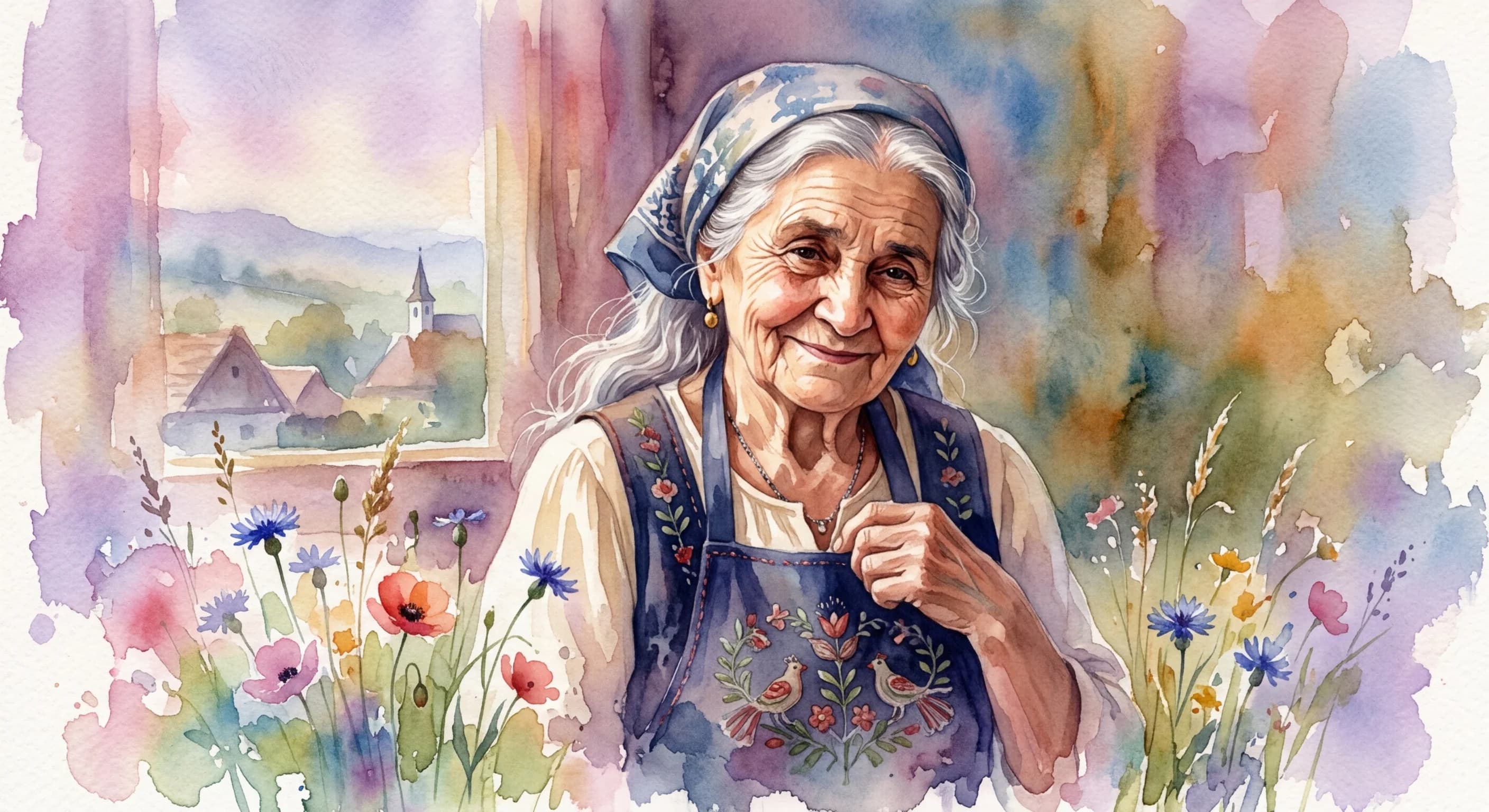
    Artistic representation of rápirít
    Hungarian•
    🇭🇺Hungary

    Rápirít

    /RA-pee-reet/

    Meaning

    Rápirít captures that uniquely Hungarian sensation of exasperated fondness, the kind of affectionate annoyance one feels towards a loved one whose antics are persistently silly, childish, or playfully foolish. It's the almost involuntary sigh that escapes, quickly followed by a knowing smile, indicating a deep well of affection that easily overrides the mild frustration. This word perfectly encapsulates the blend of irritation and endearment, acknowledging the absurdity of the situation while simultaneously celebrating the endearing, if sometimes trying, quirks of the person causing it.

    Literal Translation

    to exasperate (in a fond way)

    The Story Behind the Word

    The existence of "rápirít" in Hungarian reflects a cultural appreciation for nuanced emotions and the complex dynamics within close relationships. Hungarian communication often values indirectness and a certain wry humor, and this word embodies that spirit by allowing for both mild criticism and deep affection simultaneously. It speaks to a society where expressing pure, unadulterated frustration with a loved one might be seen as impolite or overly harsh, thus necessitating a word that softens the blow with an undercurrent of warmth. This linguistic subtlety reveals a culture that values patience, understanding, and a deep, enduring connection over immediate, overt displays of annoyance, especially within the family or among close friends.

    Experience It

    Grandpa's Tall Tales

    Grandpa János, for the tenth time this evening, started telling his famously exaggerated hunting story. His grandkids rolled their eyes, but their parents exchanged a look of 'rápirít', a gentle smile playing on their lips as they let him ramble on, knowing how much joy he got from it.

    Child's Silly Dance

    Little Éva insisted on wearing her princess costume to the grocery store and then proceeded to do a dramatic, wobbly dance in the canned goods aisle. Her mother felt a wave of 'rápirít' wash over her, a slight shake of the head mixed with overwhelming love for her daughter's uninhibited spirit.

    The Deeper Meaning

    This word offers a glimpse into a worldview that embraces imperfection and finds charm in human foibles. It suggests a philosophical acceptance that genuine love often involves enduring minor annoyances with grace and humor. Rather than striving for an ideal of perpetual harmony, 'rápirít' acknowledges the beautiful messiness of relationships, suggesting that true affection can not only withstand but even be deepened by playful exasperation.

    Did You Know?

    The literal root of 'rápirít' can be traced to 'pirít', meaning 'to toast' or 'to roast'. This suggests a subtle 'roasting' or gently chiding someone, but with the warmth of a fire rather than its destructive power.

    How It's Used

    Used to describe a person's behavior or a situation where someone is being playfully annoying or foolish.

    Emotions
    bittersweet,comfort,love,warmth
    Contexts
    family,friendship,romance
    🇭🇺Hungary

    by Sofia Rossi·Written Mar 10, 2026·Updated Apr 3, 2026

    Related Words

    Explore more
    HyggeDanish

    Hygge is more than mere coziness; it's a holistic embrace of comfort, warmth, and belonging that nourishes the soul. It describes the intentional creation of an intimate atmosphere where simple pleasures, genuine connection, and mindful presence converge, fostering a profound sense of contentment and well-being. It's about finding joy and peace in the small, everyday moments, often shared with loved ones.

    SaudadePortuguese

    Saudade encapsulates a profound, melancholic longing for something or someone cherished that is absent, often with the bittersweet knowledge that it may never return. It's a deep emotional state tinged with nostalgia, evoking a sense of loss for past experiences, places, or people, yet also holding a tender appreciation for the beauty of what once was. This yearning is not merely sadness, but a complex tapestry of desire, memory, and a poignant acceptance of absence, holding the beloved in a warm, persistent embrace within the heart.

    GezelligDutch

    Gezellig encapsulates a profound sense of warmth, belonging, and convivial comfort, extending beyond mere coziness to embrace the social and emotional atmosphere. It's the feeling of being truly at ease, surrounded by good company, laughter, and a shared sense of contentment. This untranslatable term describes not just a physical space, but a holistic experience where time seems to slow down, fostering genuine connection and a deep sense of well-being.

    Dolce far nienteItalian

    Dolce far niente captures the profound joy and effortless pleasure derived from simply existing without obligation or purpose. It's the art of savoring moments of pure, unadulterated idleness – lying in the sun, watching the clouds drift, or enjoying a leisurely coffee – not as a break from work, but as a valuable state in itself. This 'sweetness of doing nothing' is a conscious embrace of stillness and contentment, allowing the soul to breathe and the senses to fully engage with the present.