U.
HomeRegionsLanguagesEmotionsCollections
Find Your Word

“The limits of my language mean the limits of my world.”

— Ludwig Wittgenstein, Philosopher

Untranslatable

A curated collection of the world's most beautiful expressions—words that remind us language is humanity's greatest invention.

  • Home
  • Collections
  • Regions
  • Countries
  • Emotions
  • Tags
  • Contexts
  • Finder
  • Europe
  • Asia
  • Americas
  • Africa
  • Middle East
  • About
  • Contact
  • Privacy Policy
  • Terms of Service

2026 © Untranslatable. All rights reserved.

    /
    /
    1. Home
    2. /
    3. Europe
    4. /
    5. Elrévedezni
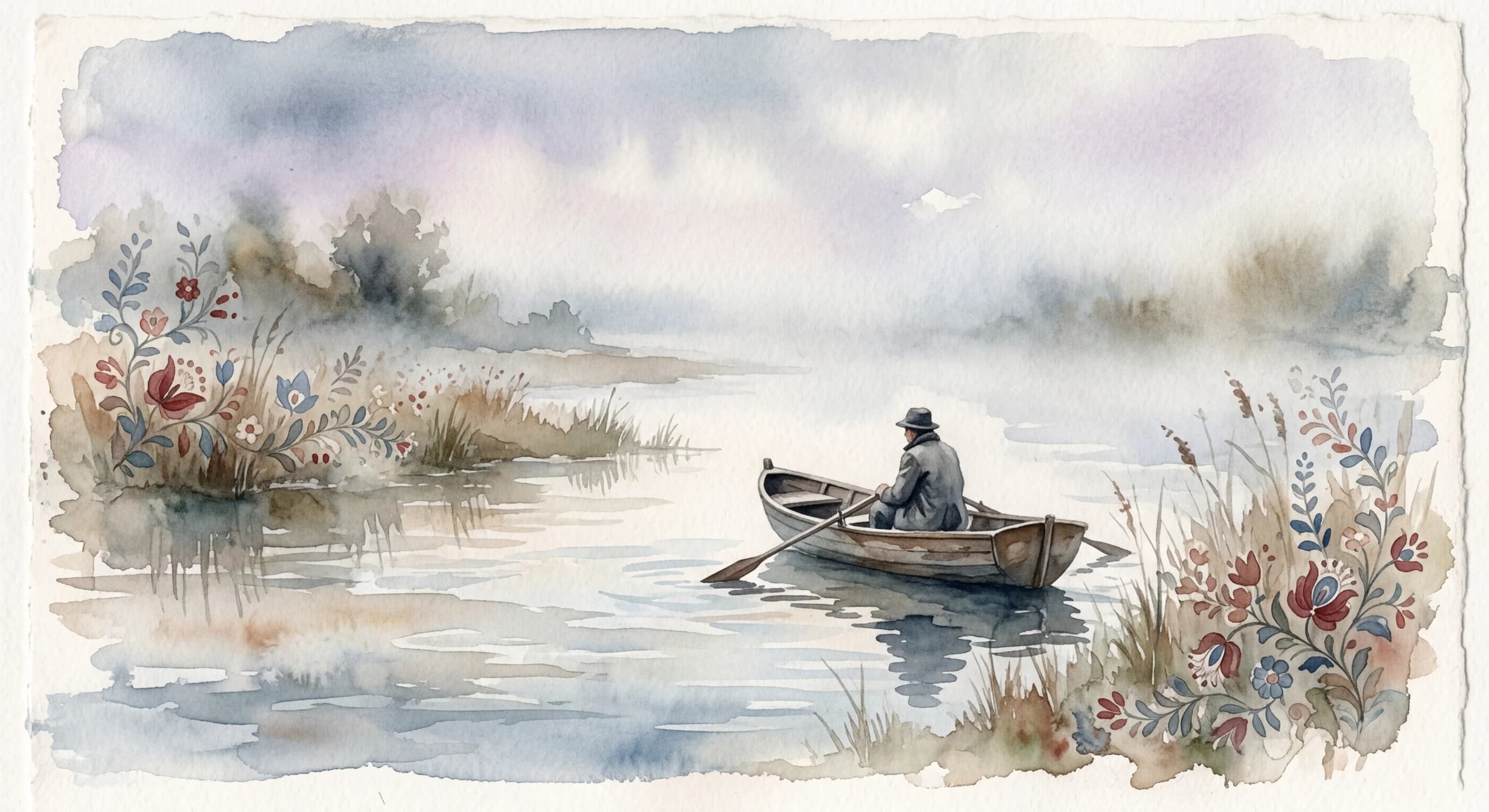
    Artistic representation of elrévedezni
    Hungarian•
    🇭🇺Hungary

    Elrévedezni

    /el-RAY-veh-dehz-nee/

    Meaning

    To "elrévedezni" is to drift off course, not necessarily physically, but often in the grander tapestry of one's life. It signifies a deviation from an intended path, a gentle meander into distraction, unforeseen detours, or even self-imposed wanderings. This term encapsulates the melancholic beauty of a journey taken without a clear destination, acknowledging a state of being adrift and having strayed from one's original purpose, often with a hint of reflective regret.

    Literal Translation

    to get lost, to go astray

    The Story Behind the Word

    The existence of "elrévedezni" in Hungarian culture speaks to a deep introspection and a recognition of life's unpredictable nature. Hungarian history, marked by periods of foreign rule, cultural shifts, and often challenging circumstances, has fostered a worldview where individual agency might be subject to larger, uncontrollable forces. This has led to a nuanced understanding of personal trajectories, where straying from a planned course isn't always a failure but sometimes an inevitable consequence of navigating a complex world. It reflects a culture that values steadfastness and purpose, but also acknowledges the human tendency to wander, to lose focus, and to find oneself unexpectedly off-track, without necessarily condemning the journey. It's a word that resonates with the Hungarian soul's often contemplative and sometimes melancholic disposition, accepting that life's path is rarely a straight line.

    Experience It

    The Artist's Detour

    After art school, Anna was determined to become a renowned painter. But years passed, and she found herself working in marketing, her canvases gathering dust. She often felt she had "elrévedezett" from her true calling, her artistic dreams slowly fading into the background of daily life.

    A Life's Unfolding

    János had always envisioned a quiet life in his village, but one opportunity led to another, and he ended up living in a bustling city abroad. He didn't regret his choices, yet sometimes he'd ponder how he had "elrévedezett" so far from his youthful aspirations, his life unfolding in ways he never could have predicted.

    The Deeper Meaning

    This word reveals a philosophy that embraces the human condition of imperfect navigation through life. It suggests that straying from the path is not merely a mistake but an inherent part of existence, acknowledging that purpose can be fluid and intentions can diverge. It embodies a gentle fatalism mixed with a quiet acceptance, where the journey itself, even when circuitous, holds its own meaning and lessons, rather than just the destination.

    Did You Know?

    The root 'rév' in 'elrévedezni' can also refer to a ferry or a port, subtly hinting at a journey or a crossing, adding another layer to the idea of being adrift or navigating life's waters.

    How It's Used

    Used to describe someone who has lost their way in life, gone off track, or become disoriented, often in a non-literal sense.

    Emotions
    bittersweet,longing,melancholy
    Contexts
    daily life,travel,work
    🇭🇺Hungary

    by Annelise Dubois·Written Mar 10, 2026·Updated Apr 3, 2026

    Related Words

    Explore more
    HyggeDanish

    Hygge is more than mere coziness; it's a holistic embrace of comfort, warmth, and belonging that nourishes the soul. It describes the intentional creation of an intimate atmosphere where simple pleasures, genuine connection, and mindful presence converge, fostering a profound sense of contentment and well-being. It's about finding joy and peace in the small, everyday moments, often shared with loved ones.

    SaudadePortuguese

    Saudade encapsulates a profound, melancholic longing for something or someone cherished that is absent, often with the bittersweet knowledge that it may never return. It's a deep emotional state tinged with nostalgia, evoking a sense of loss for past experiences, places, or people, yet also holding a tender appreciation for the beauty of what once was. This yearning is not merely sadness, but a complex tapestry of desire, memory, and a poignant acceptance of absence, holding the beloved in a warm, persistent embrace within the heart.

    GezelligDutch

    Gezellig encapsulates a profound sense of warmth, belonging, and convivial comfort, extending beyond mere coziness to embrace the social and emotional atmosphere. It's the feeling of being truly at ease, surrounded by good company, laughter, and a shared sense of contentment. This untranslatable term describes not just a physical space, but a holistic experience where time seems to slow down, fostering genuine connection and a deep sense of well-being.

    Dolce far nienteItalian

    Dolce far niente captures the profound joy and effortless pleasure derived from simply existing without obligation or purpose. It's the art of savoring moments of pure, unadulterated idleness – lying in the sun, watching the clouds drift, or enjoying a leisurely coffee – not as a break from work, but as a valuable state in itself. This 'sweetness of doing nothing' is a conscious embrace of stillness and contentment, allowing the soul to breathe and the senses to fully engage with the present.

    Featured in 1 collection

    🎭Untranslatable Emotions