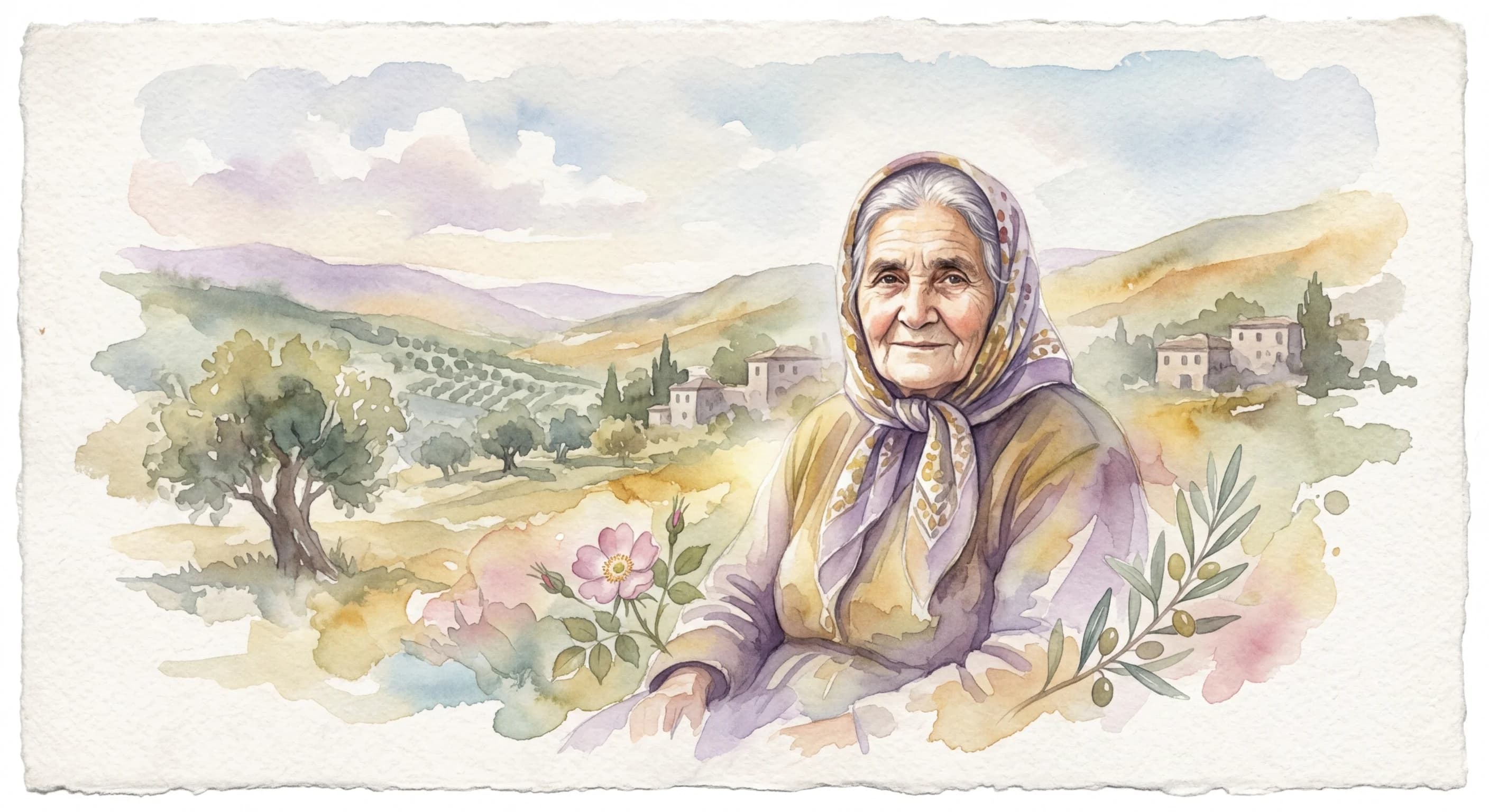
Pleqëri
/PLEH-cheh-ree/
Meaning
Pleqëri embodies a profound reverence for elders, particularly grandparents, seeing them not merely as aged individuals but as living libraries of wisdom, experience, and tradition. It signifies a deep-seated cultural imperative to honor their contributions, care for their well-being, and cherish their presence as the bedrock of family and community. This concept fosters a vibrant intergenerational exchange, ensuring that the elder years are lived with utmost dignity, surrounded by the warmth of familial love and societal respect. It's a testament to the enduring bond that weaves generations together through mutual appreciation and profound connection.
Literal Translation
Respect/Honor for Elders
The Story Behind the Word
The concept of Pleqëri is deeply rooted in Albania's historical and social fabric, particularly influenced by the Kanun, traditional customary laws. For centuries, Albanian society, often structured around extended families and clans, placed immense value on the wisdom and authority of its elders as custodians of tradition, history, and moral guidance. In a society that historically lacked extensive social welfare systems, the family unit, led by its elders, was the primary source of support and identity. Pleqëri reflects a worldview where age is synonymous with accrued knowledge and ethical grounding, making elders indispensable figures whose counsel is sought and whose comfort is prioritized. It underscores a collective responsibility to ensure that those who have contributed to the family's legacy are honored and cared for in their twilight years, reflecting a cyclical understanding of life where today's youth become tomorrow's revered elders.
Experience It
Grandfather's Wisdom
During a difficult family decision, the youngest son felt overwhelmed. His mother gently reminded him, "Let's speak with gjyshi (grandfather) first; his pleqëri will guide us." Sitting together, the grandfather listened patiently, offering insights gleaned from decades of similar challenges, bringing clarity and calm to the situation.
Caring for Baba
When Baba, the family patriarch, became frail, the entire family rallied. His daughter-in-law prepared his favorite meals, his grandchildren took turns reading to him, and his son ensured his comfort. This collective care, driven by pleqëri, ensured Baba lived his final years surrounded by love and dignity, never feeling a burden.
What Gets Lost in Translation
English speakers might misunderstand pleqëri as mere politeness or general respect for the elderly. However, it's far deeper, implying an active, reciprocal responsibility for an elder's well-being, both physical and emotional, and a profound appreciation for their specific role as wisdom-bearers. It's not just a feeling but a cultural imperative that shapes behavior and family structure.
Across Cultures
While direct equivalents are rare, similar concepts exist in various cultures. The Japanese concept of "Keiro no Hi" (Respect for the Aged Day) celebrates elders, and "filial piety" (孝, xiào) in Chinese culture emphasizes respect and care for parents and elders. In many Indigenous cultures globally, elders are revered as knowledge keepers and spiritual guides, paralleling the esteemed role of elders within Albanian pleqëri.
The Deeper Meaning
Pleqëri reveals a worldview where time is cyclical, and life's journey culminates in a revered status, not a decline. It posits that true societal strength lies in the continuity of wisdom across generations, where the past actively informs the present and shapes the future. This philosophy underscores the intrinsic value of lived experience and the ethical obligation to honor those who embody it, recognizing elders as the living anchors of cultural identity and moral compass.
Did You Know?
Did you know that in traditional Albanian households, the eldest male often held the most respected position, with his word carrying significant weight? This deep respect for age and experience is a cornerstone of pleqëri, extending beyond just family to the wider community.
How It's Used
This term is used when referring to the elderly, especially grandparents, and the associated respect and care shown to them. It’s often invoked in discussions about family values, traditions, and the importance of honoring one's elders.