U.
HomeRegionsLanguagesEmotionsCollections
Find Your Word

“The limits of my language mean the limits of my world.”

— Ludwig Wittgenstein, Philosopher

Untranslatable

A curated collection of the world's most beautiful expressions—words that remind us language is humanity's greatest invention.

  • Home
  • Collections
  • Regions
  • Countries
  • Emotions
  • Tags
  • Contexts
  • Finder
  • Europe
  • Asia
  • Americas
  • Africa
  • Middle East
  • About
  • Contact
  • Privacy Policy
  • Terms of Service

2026 © Untranslatable. All rights reserved.

    /
    /
    1. Home
    2. /
    3. Europe
    4. /
    5. Jobbigt
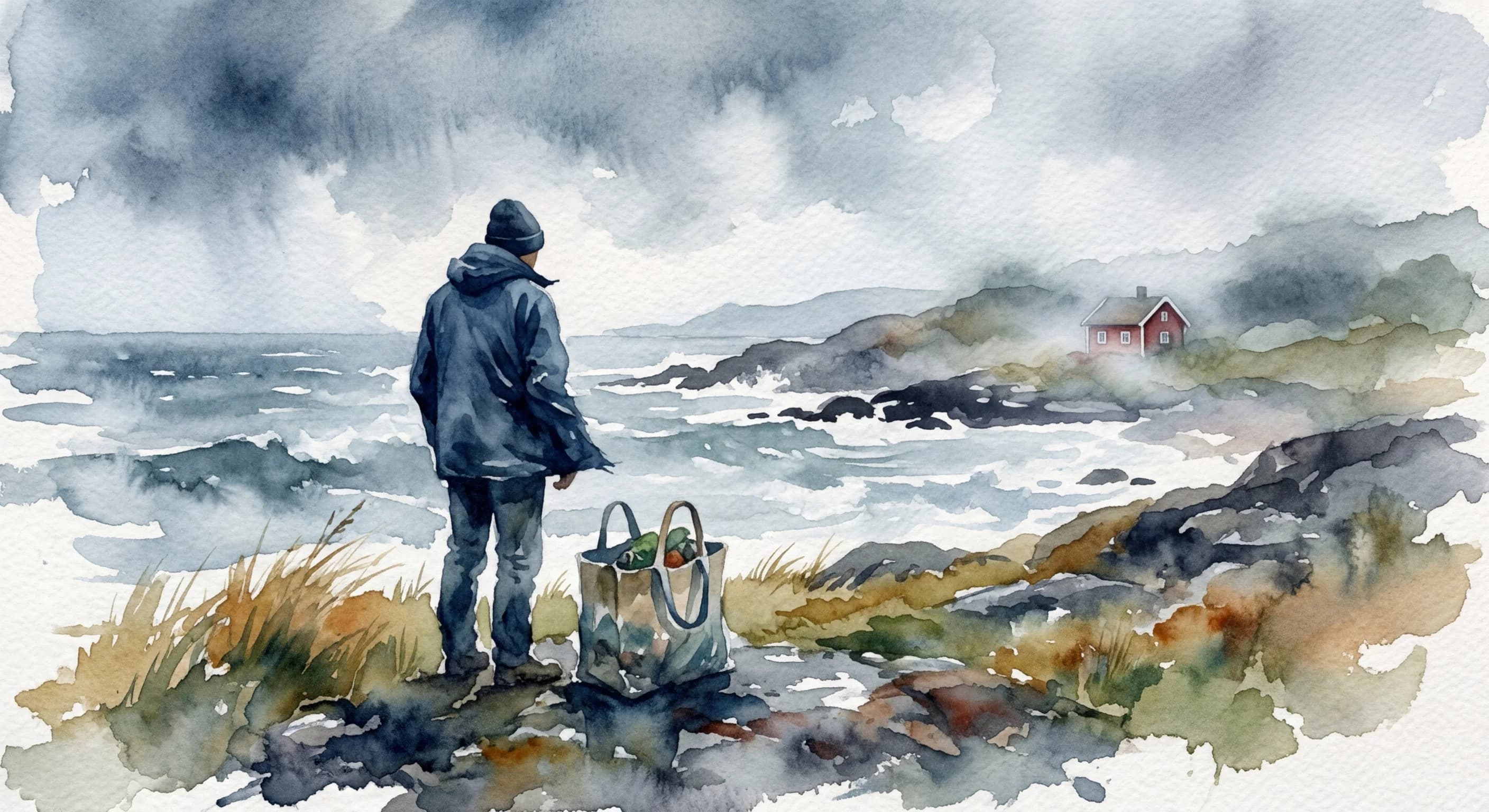
    Artistic representation of Jobbigt
    Swedish•
    🇳🇴Norway🇸🇪Sweden

    Jobbigt

    /JOB-bit/

    Meaning

    Jobbigt captures that distinctly Swedish feeling of mild, yet persistent, inconvenience or effort that saps one's energy without being truly overwhelming. It's the subtle friction of daily life – a slow-loading webpage, a slightly too-heavy grocery bag, or a minor administrative hurdle – that collectively makes a day feel more taxing than it should. This word perfectly encapsulates the weary resignation to life's small struggles, acknowledging them without dramatic complaint, often accompanied by a quiet sigh.

    Literal Translation

    Hassle/Annoying/Difficult

    The Story Behind the Word

    The existence and frequent use of "jobbigt" in Swedish culture speaks volumes about a societal inclination towards efficiency, order, and a certain stoicism in the face of minor annoyances. Swedes generally value smooth processes and predictable routines; anything that disrupts this, even slightly, can be deemed "jobbigt." It reflects a culture where overt complaining is often frowned upon, so "jobbigt" becomes a socially acceptable, understated way to express discomfort or frustration without appearing overly dramatic. It also hints at a collective understanding that life, even in a well-organized society, still presents its share of small, energy-draining obstacles, which are best acknowledged with a quiet, shared understanding rather than loud lamentations.

    Experience It

    Assembling Flat-Pack Furniture

    After an hour of deciphering IKEA instructions, Johan sighs, looking at the remaining pile of screws. "Det här är så jobbigt," he mutters, knowing he'll finish it, but dreading the fiddly last steps.

    Unexpected Detour

    Elin is already running late for work when she sees the road closure sign. "Åh, vad jobbigt," she thinks, realizing she'll have to navigate unfamiliar backroads, adding precious minutes to her commute.

    The Deeper Meaning

    The pervasive use of "jobbigt" reflects a pragmatic Swedish worldview that acknowledges the omnipresence of minor difficulties without succumbing to despair or exaggerated complaint. It's an acceptance of the 'friction' of existence, a quiet testament to resilience in the face of small, everyday challenges, and a collective understanding that life isn't always effortless, even if it should be.

    Did You Know?

    The word 'jobbig' (the adjective form) can also describe a person who is demanding, tiresome, or a bit of a burden, implying they create unnecessary hassle for others.

    How It's Used

    Used to describe something that is annoying, inconvenient, or difficult to deal with. It can apply to tasks, situations, or even people. For example, 'Det är jobbigt att packa allt det här' (It's a hassle to pack all this) or referring to a person as 'jobbig' if they are demanding or tiresome.

    Emotions
    anger,melancholy
    Contexts
    daily life,work
    🇳🇴Norway🇸🇪Sweden

    by Annelise Dubois·Written Mar 10, 2026·Updated Mar 27, 2026

    Related Words

    Explore more
    HyggeDanish

    Hygge is more than mere coziness; it's a holistic embrace of comfort, warmth, and belonging that nourishes the soul. It describes the intentional creation of an intimate atmosphere where simple pleasures, genuine connection, and mindful presence converge, fostering a profound sense of contentment and well-being. It's about finding joy and peace in the small, everyday moments, often shared with loved ones.

    SaudadePortuguese

    Saudade encapsulates a profound, melancholic longing for something or someone cherished that is absent, often with the bittersweet knowledge that it may never return. It's a deep emotional state tinged with nostalgia, evoking a sense of loss for past experiences, places, or people, yet also holding a tender appreciation for the beauty of what once was. This yearning is not merely sadness, but a complex tapestry of desire, memory, and a poignant acceptance of absence, holding the beloved in a warm, persistent embrace within the heart.

    GezelligDutch

    Gezellig encapsulates a profound sense of warmth, belonging, and convivial comfort, extending beyond mere coziness to embrace the social and emotional atmosphere. It's the feeling of being truly at ease, surrounded by good company, laughter, and a shared sense of contentment. This untranslatable term describes not just a physical space, but a holistic experience where time seems to slow down, fostering genuine connection and a deep sense of well-being.

    Dolce far nienteItalian

    Dolce far niente captures the profound joy and effortless pleasure derived from simply existing without obligation or purpose. It's the art of savoring moments of pure, unadulterated idleness – lying in the sun, watching the clouds drift, or enjoying a leisurely coffee – not as a break from work, but as a valuable state in itself. This 'sweetness of doing nothing' is a conscious embrace of stillness and contentment, allowing the soul to breathe and the senses to fully engage with the present.