U.
HomeRegionsLanguagesEmotionsCollections
Find Your Word

“The limits of my language mean the limits of my world.”

— Ludwig Wittgenstein, Philosopher

Untranslatable

A curated collection of the world's most beautiful expressions—words that remind us language is humanity's greatest invention.

  • Home
  • Collections
  • Regions
  • Countries
  • Emotions
  • Tags
  • Contexts
  • Finder
  • Europe
  • Asia
  • Americas
  • Africa
  • Middle East
  • About
  • Contact
  • Privacy Policy
  • Terms of Service

2026 © Untranslatable. All rights reserved.

    /
    /
    1. Home
    2. /
    3. Europe
    4. /
    5. Kozak
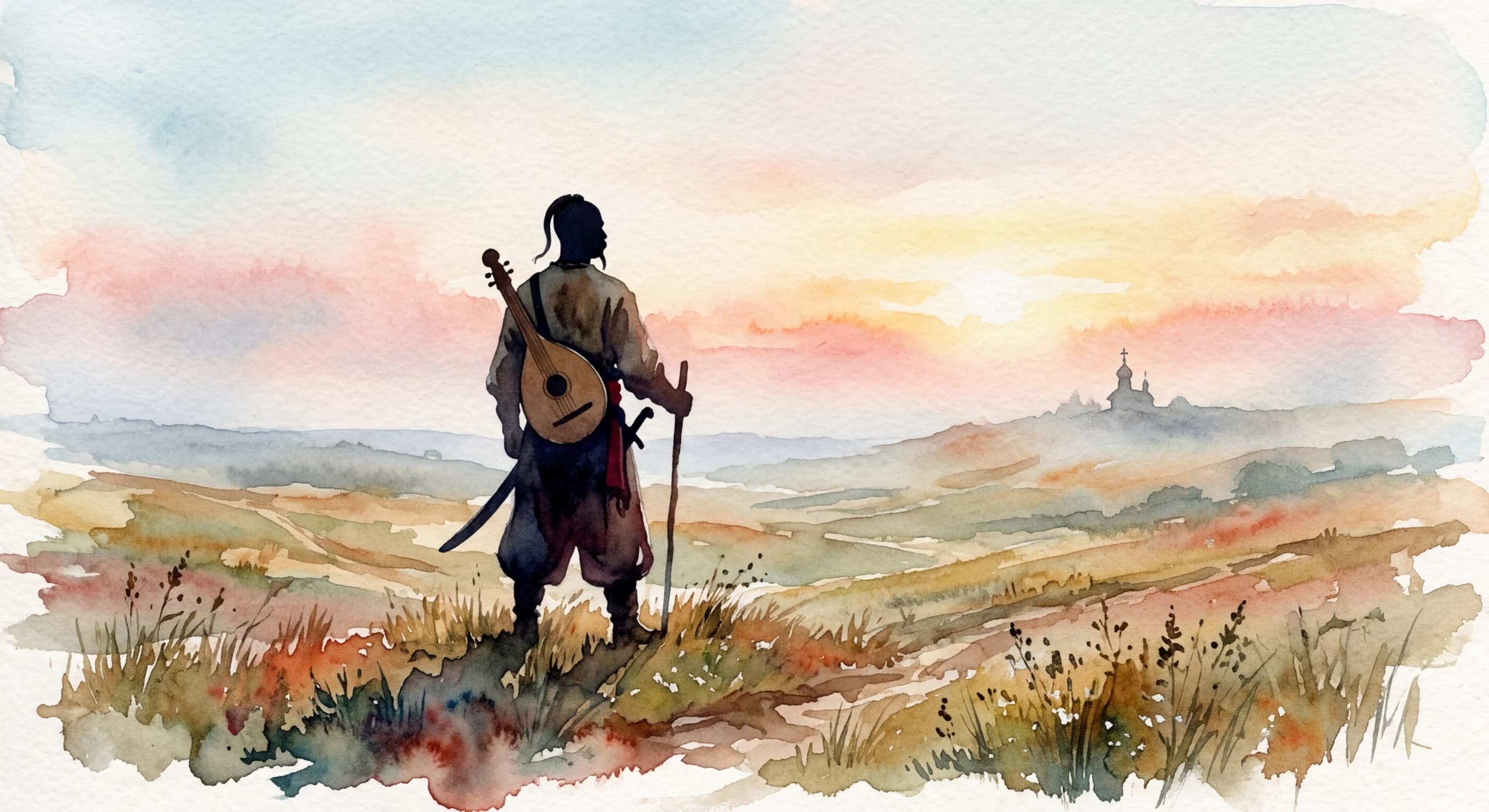
    Artistic representation of Kozak
    Ukrainian•
    🇷🇺Russia🇺🇦Ukraine

    Kozak

    /KOH-zahk/

    Meaning

    A 'Kozak' embodies the quintessential spirit of freedom and fierce independence, a historical warrior-settler from the vast steppes of Eastern Europe. More than a soldier, a Kozak is a free-spirited adventurer, often living on the untamed frontiers, renowned for their incredible horsemanship, military prowess, and unwavering commitment to self-governance. This figure remains a powerful cultural archetype in Ukraine, symbolizing resilience, a deep love for liberty, and a readiness to defend one's land and heritage against all odds.

    Literal Translation

    The etymology is debated, but often linked to Turkic words meaning 'free man', 'adventurer', or 'wanderer'.

    The Story Behind the Word

    The word 'Kozak' is deeply embedded in the Ukrainian national identity, representing a golden age of self-determination and heroic struggle. It emerged from the unique historical circumstances of the Ukrainian steppes, bordering powerful empires, where individuals sought refuge and freedom from serfdom and oppression. The Kozak community, particularly the Zaporozhian Sich, developed a democratic military republic, a radical concept for its time, where leaders were elected and decisions made communally. This history fostered a cultural narrative of defiance against foreign rule, a profound respect for individual liberty, and a collective memory of a powerful, self-sufficient people. The Kozak spirit is not just about historical figures but a living ideal, shaping modern Ukrainian resilience and its pursuit of national sovereignty.

    Experience It

    Modern Day Kozak Spirit

    At the protest, a young woman fearlessly led the chants, her voice echoing with conviction. Her friends remarked, 'She has the spirit of a true Kozak, unafraid to stand up for what's right, no matter the opposition.'

    An Independent Soul

    After years of corporate life, Mykola decided to leave it all and start a small, self-sufficient farm in the Carpathians. His family smiled, saying, 'He's always been a bit of a Kozak, needing his own space and freedom.'

    The Deeper Meaning

    The 'Kozak' embodies a philosophy of radical freedom and self-reliance, where personal liberty is paramount and worth defending fiercely. It speaks to a deep human desire for autonomy and self-governance, demonstrating that even in the face of overwhelming empires, a community united by a spirit of independence can forge its own destiny. This worldview champions resilience, brotherhood, and a profound connection to one's land and heritage as foundations for a dignified existence.

    Did You Know?

    The traditional Kozak haircut, the 'oseledets', featured a long lock of hair on an otherwise shaven head, often tucked behind the ear, symbolizing their warrior status and defiance.

    How It's Used

    The term is used to refer to members of historical Cossack communities, their descendants, and as a cultural identifier. It can also be used metaphorically to describe someone with a free-spirited, adventurous, or rebellious nature.

    Emotions
    belonging,excitement
    Contexts
    history,travel,work
    🇷🇺Russia🇺🇦Ukraine

    by Annelise Dubois·Written Mar 10, 2026·Updated Apr 3, 2026

    Related Words

    Explore more
    HyggeDanish

    Hygge is more than mere coziness; it's a holistic embrace of comfort, warmth, and belonging that nourishes the soul. It describes the intentional creation of an intimate atmosphere where simple pleasures, genuine connection, and mindful presence converge, fostering a profound sense of contentment and well-being. It's about finding joy and peace in the small, everyday moments, often shared with loved ones.

    SaudadePortuguese

    Saudade encapsulates a profound, melancholic longing for something or someone cherished that is absent, often with the bittersweet knowledge that it may never return. It's a deep emotional state tinged with nostalgia, evoking a sense of loss for past experiences, places, or people, yet also holding a tender appreciation for the beauty of what once was. This yearning is not merely sadness, but a complex tapestry of desire, memory, and a poignant acceptance of absence, holding the beloved in a warm, persistent embrace within the heart.

    GezelligDutch

    Gezellig encapsulates a profound sense of warmth, belonging, and convivial comfort, extending beyond mere coziness to embrace the social and emotional atmosphere. It's the feeling of being truly at ease, surrounded by good company, laughter, and a shared sense of contentment. This untranslatable term describes not just a physical space, but a holistic experience where time seems to slow down, fostering genuine connection and a deep sense of well-being.

    Dolce far nienteItalian

    Dolce far niente captures the profound joy and effortless pleasure derived from simply existing without obligation or purpose. It's the art of savoring moments of pure, unadulterated idleness – lying in the sun, watching the clouds drift, or enjoying a leisurely coffee – not as a break from work, but as a valuable state in itself. This 'sweetness of doing nothing' is a conscious embrace of stillness and contentment, allowing the soul to breathe and the senses to fully engage with the present.