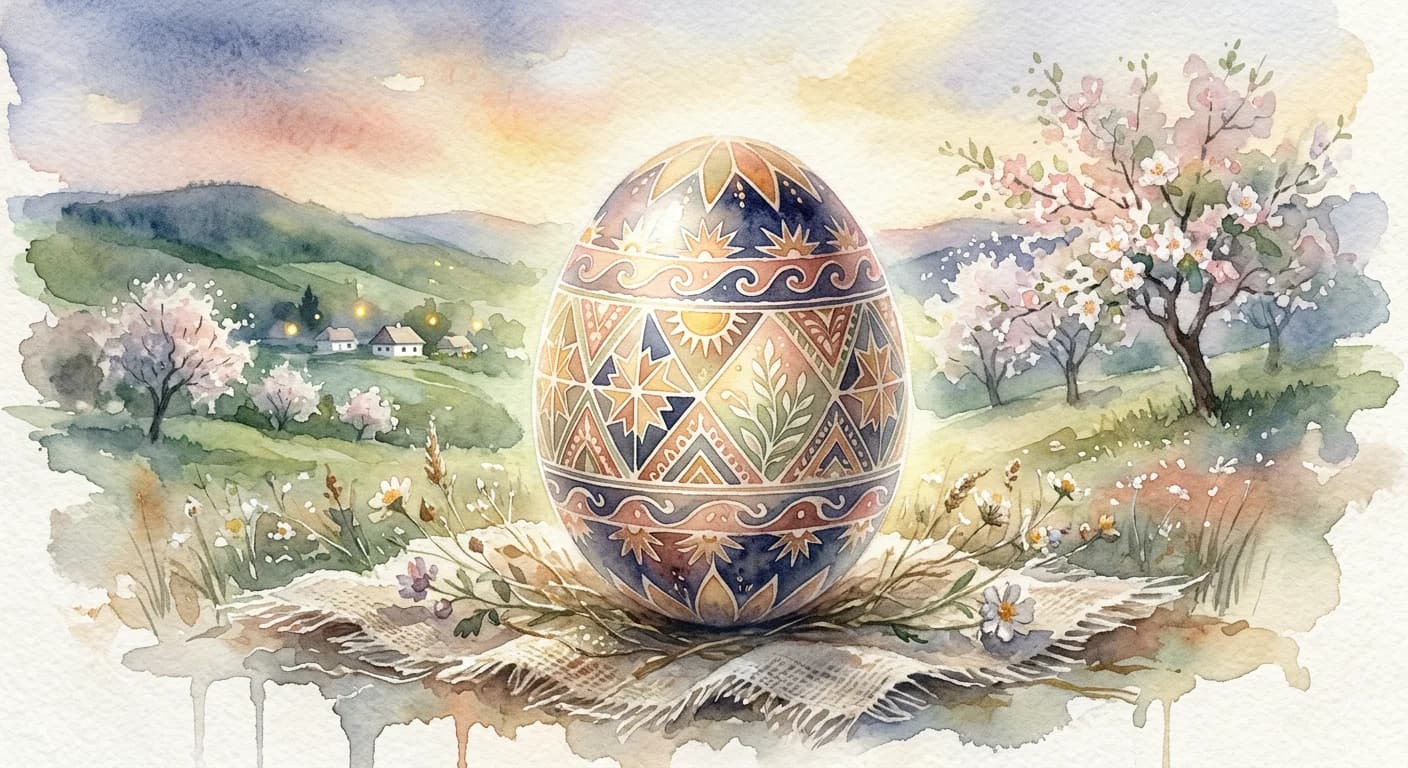
Pysanka
/PEE-sahn-kah/
Meaning
Pysanka refers to the exquisite art of Ukrainian Easter egg decoration, a vibrant tradition steeped in ancient symbolism and folk beliefs. These aren't mere ornaments; they are sacred vessels, meticulously adorned with intricate patterns and colors, each imbued with potent wishes for fertility, prosperity, protection, and good fortune. The creation of a pysanka is a meditative, spiritual journey, often undertaken during Lent, that deeply connects the artisan to ancestral wisdom, the cyclical rhythms of nature, and the profound hope of renewal associated with spring and the resurrection.
Literal Translation
written
The Story Behind the Word
The pysanka tradition predates Christianity in Ukraine, rooted in ancient pagan beliefs celebrating the sun god Dazhboh and the rebirth of spring. Early symbols invoked the power of nature to ensure good harvests, health, and protection from evil spirits. With the advent of Christianity, these symbols were reinterpreted to align with Easter themes of resurrection and eternal life, yet their core essence of life-giving power remained. The painstaking process of 'writing' (pysaty) on the egg with wax and dyes reflects a deep respect for creation and a belief in the inherent magic of symbols. It reveals a culture that sees the world as interconnected, where art and spirituality are intertwined, and where the past continuously informs the present, particularly through the generations-long transmission of this intricate folk art. Pysanky are not just art; they are prayers, blessings, and historical documents.
Experience It
Family Pysanka Workshop
Grandma Anya carefully melts the beeswax, her grandchildren gathered around the kitchen table, their eyes wide with anticipation. 'Each line, each dot, holds a wish for our family,' she explains, guiding little Marko's hand as he applies the kistka to the egg, beginning his very first pysanka during the quiet days of Lent.
Gift of Protection
Before her son left for university, Maria placed a beautifully intricate pysanka, adorned with symbols of strength and wisdom, into his packed suitcase. 'This will keep you safe and bring you good fortune,' she whispered, knowing the ancient power and love held within the delicate shell would accompany him far from home.
The Deeper Meaning
Pysanka embodies a worldview where the mundane (an egg) is transformed into the sacred through intentional artistic and spiritual practice. It reflects a profound belief in the power of symbolism, ritual, and human creativity to influence destiny and connect with cosmic forces. This art form reveals a culture that values continuity, ancestral wisdom, and the cyclical nature of life, death, and rebirth, seeing beauty and meaning in both the smallest detail and the grandest cycle.
Did You Know?
The oldest known pysanky, dating back to the 10th-13th centuries, have been found in archaeological excavations in Ukraine, showcasing the incredible longevity of this sacred art form.
How It's Used
The term 'pysanka' is used to refer to the decorated Easter eggs themselves, as well as the art form and the tradition of creating them, especially during the Easter season.