Shchedrivka
/SHCHED-riv-kah/
Meaning
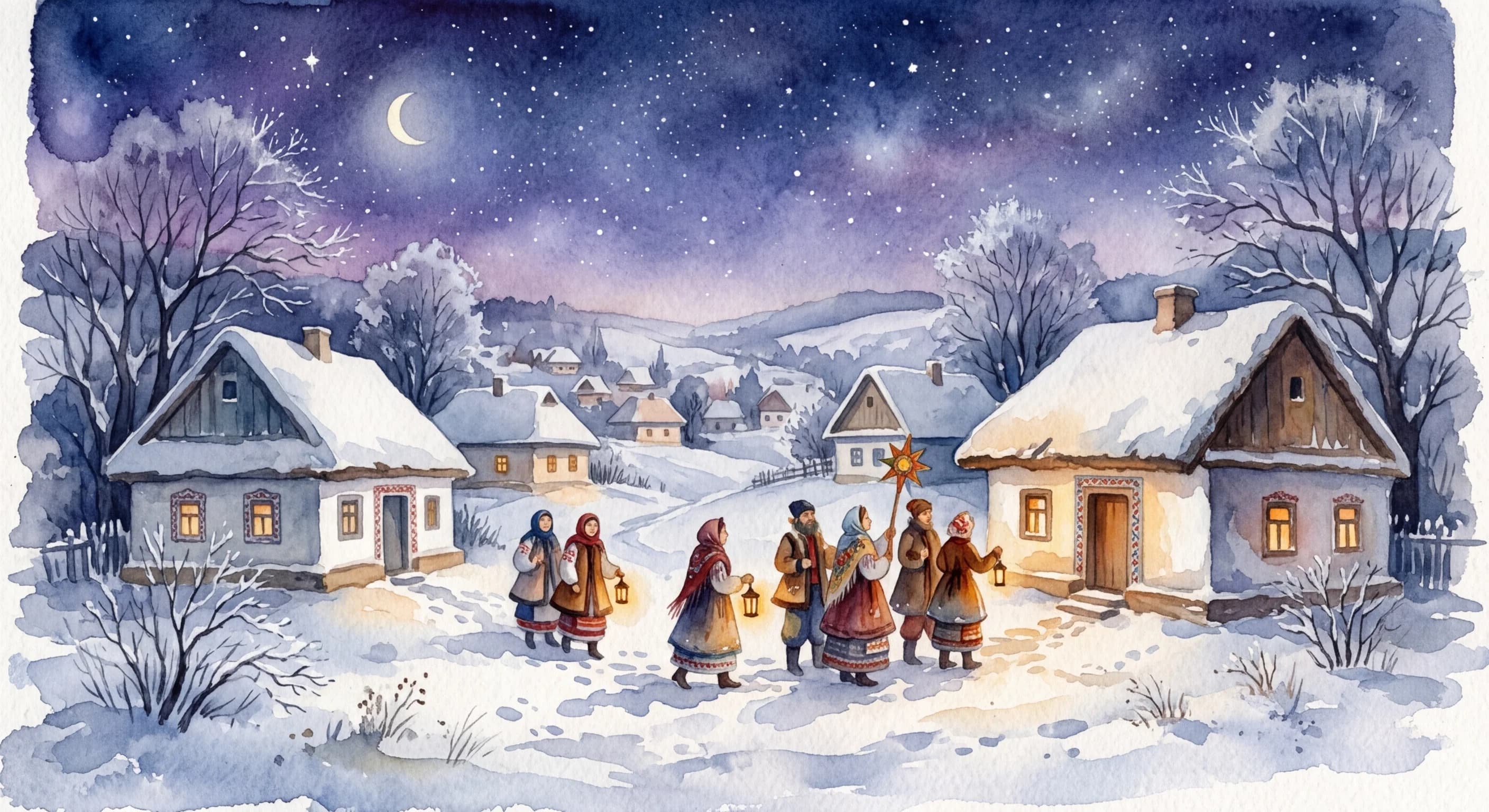
A Shchedrivka is a vibrant Ukrainian folk carol, traditionally sung on the eve of the Old New Year (January 13th), embodying the spirit of communal well-wishing and hopeful anticipation. These melodies, derived from the word for 'generous,' are performed by groups, often children or young adults, who visit homes to bestow blessings of prosperity, abundant harvests, and good health upon the household. It's a cherished ritual, weaving together ancient agricultural rites with Christian traditions, celebrating the promise of a bountiful year ahead through song and shared joy.
Literal Translation
The word is derived from 'shchedryi' (щедрий), meaning 'generous' or 'bountiful'.
The Story Behind the Word
The existence of 'Shchedrivka' is deeply rooted in Ukraine's agrarian past and its spiritual landscape, reflecting a worldview where human well-being is intrinsically linked to the land's fertility and divine favor. Pre-Christian beliefs in nature spirits and the power of sympathetic magic merged with Christianized New Year celebrations, creating a ritual where blessings were actively 'sung into being.' The act of caroling from house to house reinforces community bonds and the collective responsibility for each other's prosperity. It reveals a culture that values generosity, mutual support, and a profound connection to the cycles of nature, believing that positive intentions and shared rituals can influence future outcomes. The endurance of Shchedrivka underscores a resilient cultural identity that preserves ancient customs while adapting them to changing times, always with an eye towards a hopeful and abundant future.
Experience It
Village Shchedrivka Night
As dusk fell on January 13th, little Olena, bundled in warm clothes, joined her friends, their voices eager. They approached the first house, singing their Shchedrivka, wishing the family a year of full barns and happy children. The homeowner, beaming, offered them a handful of homemade pampushky and a few coins, a reciprocal gesture of generosity and gratitude.
Modern Urban Revival
In a bustling Kyiv apartment building, a group of university students, keen on preserving traditions, decided to revive Shchedrivka. They practiced the ancient tunes, then knocked on neighbors' doors, offering their heartfelt wishes for health and success. Though surprised, residents welcomed them warmly, sharing sweets and feeling a comforting connection to their heritage amidst the city's rush.
The Deeper Meaning
Shchedrivka embodies a philosophy of active manifestation and communal interdependence. It reflects a belief that prosperity isn't merely a passive outcome but can be invoked and affirmed through collective song and shared good wishes. This tradition highlights the profound connection between human intention, natural cycles, and the well-being of the community, suggesting that generosity and hope are powerful forces in shaping one's destiny and the future of the collective.
Did You Know?
While Shchedrivka is distinct from Christmas carols, one of the most famous Ukrainian melodies, 'Shchedryk' (known globally as 'Carol of the Bells'), is actually a Shchedrivka, adapted by Mykola Leontovych!
How It's Used
Sung as a traditional folk song during the New Year celebrations, particularly on the eve of the Old New Year (January 13th). Groups of carolers visit homes to perform the song, often accompanied by symbolic actions and receiving treats or small gifts in return.