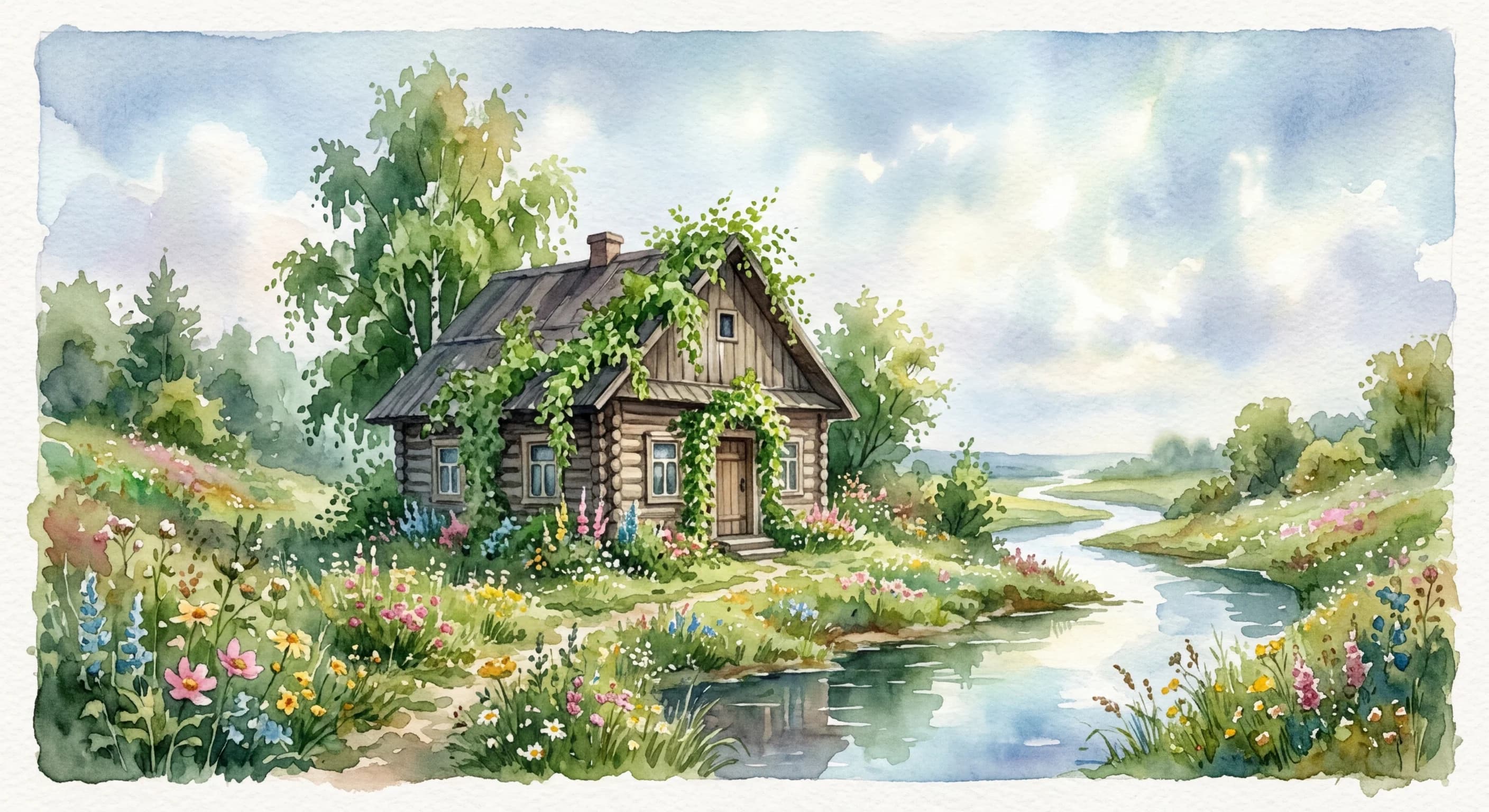
Zelenyy svyata
/zeh-LEH-nee SVYAH-tah/
Meaning
Zelenyy svyata, literally 'green holidays,' encapsulates a vibrant cluster of Ukrainian traditional celebrations in early June, centered around Trinity Sunday (Pentecost). It's a profound immersion into nature's peak bloom, where homes are adorned with aromatic greenery and wildflowers, symbolizing life's renewal and abundance. This period is marked by deeply rooted folk customs, including rituals to honor the earth, water, and ancestral spirits, weaving together ancient pagan reverence with Christian observance into a unique spiritual tapestry.
Literal Translation
Green holidays
The Story Behind the Word
The existence of "Zelenyy svyata" in Ukrainian culture reveals a profound, enduring connection to the land and its cycles, deeply ingrained since pre-Christian times. It represents a syncretic blend where the ancient Slavic reverence for nature spirits, fertility rites, and the coming of summer were harmoniously integrated with Christian holidays like Pentecost. This word doesn't just describe a holiday; it embodies a worldview where the spiritual and natural worlds are inseparable. It reflects a cultural memory of agrarian life, where the health of the harvest and the well-being of the community were intimately linked to the rhythms of the earth, fostering a sense of gratitude, respect, and active participation in the natural world's abundance. The rituals, from weaving wreaths to decorating homes, are not mere decorations but acts of communion and appeasement, ensuring continued prosperity and protection.
Experience It
Decorating for Zelenyy Svyata
Grandma Olenka and her grandchildren were busy gathering kalyna branches and fragrant herbs from the garden. 'These aren't just decorations,' she explained, carefully placing a sprig above the doorway, 'they invite the good spirits and protect our home during Zelenyy svyata, bringing blessings for the whole year.'
A Village Celebration
The village square buzzed with laughter and music. Young women, their hair adorned with wreaths, danced in circles, while boys jumped over small bonfires. 'It's Zelenyy svyata!' cried a villager, 'Time to celebrate the earth's bounty and honor our ancestors, ensuring a fruitful summer ahead!'
The Deeper Meaning
This word reveals a philosophy that sees humanity as an integral part of the natural world, not separate from it. It highlights a cyclical understanding of time and existence, where renewal and rebirth are constant. "Zelenyy svyata" embodies a deep-seated respect for the earth and its life-giving forces, suggesting that spiritual well-being is intrinsically linked to the health and vitality of the environment, fostering a holistic worldview where pagan and Christian beliefs coexist in a vibrant cultural tapestry.
Did You Know?
During Zelenyy svyata, it's traditional for people to decorate their homes not just with fresh greenery, but also with medicinal herbs, believing they gain extra potency during this sacred time.
How It's Used
Used to refer to the period of folk celebrations and traditions around Trinity Sunday (Pentecost) in Ukraine, emphasizing the connection with nature and greenery.