Hutsul
/HOOT-sool/
Meaning
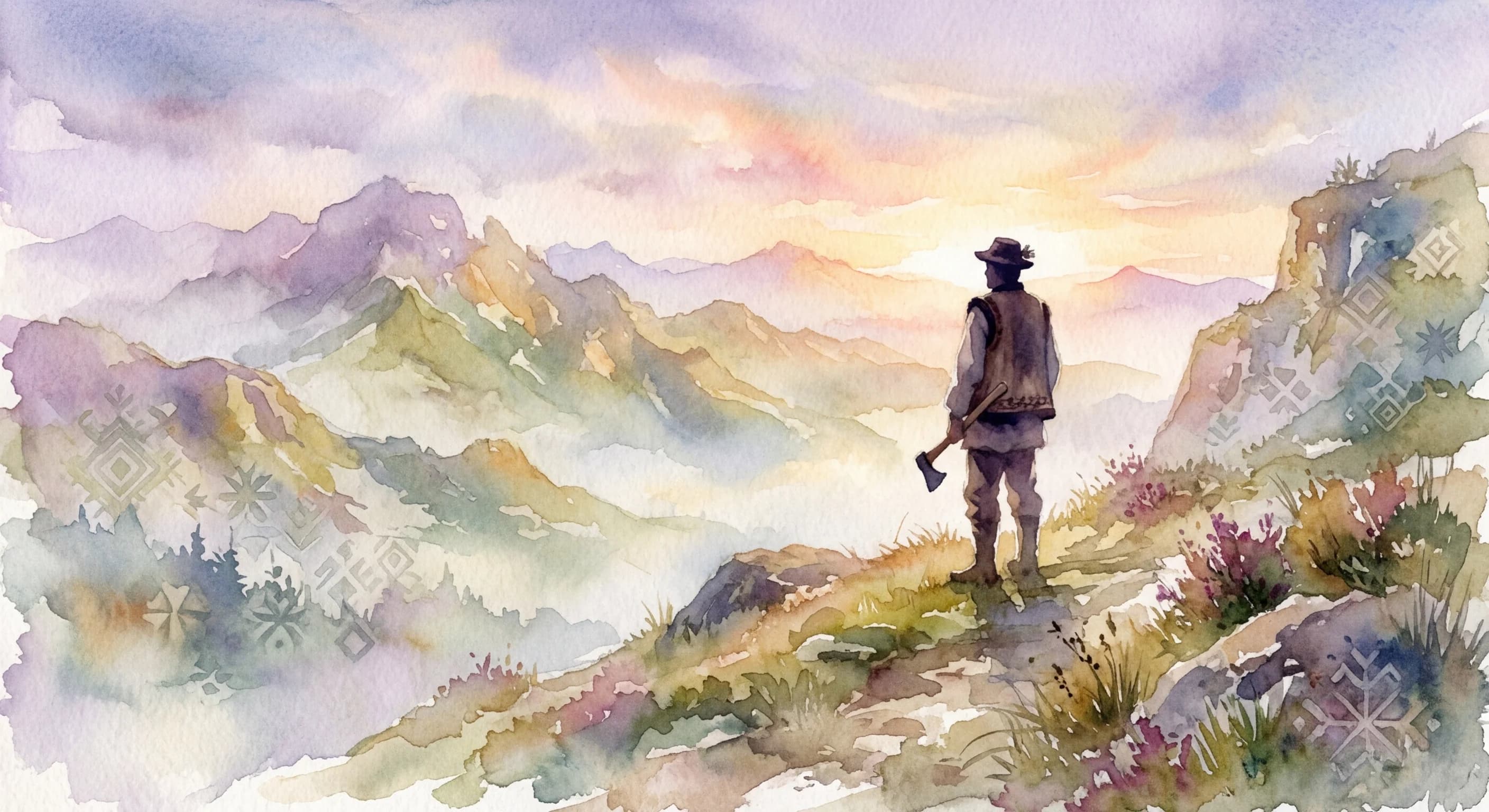
"Hutsul" refers to an ethnocultural group indigenous to the Carpathian Mountains, primarily in western Ukraine, whose identity is inextricably linked to their rugged highland environment. It signifies not merely an ethnic label but a vibrant living tradition encompassing a unique archaic Ukrainian dialect, distinctive folk art (like pysanka and wood carving), intricate musical instruments (such as the trembita), and a deep spiritual connection to nature. The term evokes a proud heritage of resilience, self-sufficiency, and a way of life harmoniously intertwined with the rhythms of the mountains, often romanticized for its authenticity and enduring spirit.
Literal Translation
N/A (Proper noun referring to an ethnic group)
The Story Behind the Word
The Hutsuls have historically inhabited the remote, often harsh, mountainous terrain of the Carpathians, fostering a unique culture of self-reliance, deep respect for nature, and strong community bonds. Their isolation allowed them to preserve ancient customs, pagan beliefs intertwined with Orthodox Christianity, and a distinct dialect that retains many archaic features of Ukrainian. The Hutsul identity is profoundly shaped by their pastoral lifestyle, involving shepherding and forestry, which demanded ingenuity and resilience. Their vibrant folk art, music, and traditional attire are not merely aesthetic but serve as expressions of their worldview, connecting them to their ancestors, the land, and the spiritual realm. The Hutsul culture, therefore, embodies a rich tapestry of survival, spiritual reverence, and artistic expression forged in the crucible of the mountains.
Experience It
Mountain Wedding Celebration
The trembita's mournful, yet majestic, call echoed through the valleys, signaling the start of the Hutsul wedding. Dressed in embroidered kersetka and keptar, the community gathered, their vibrant patterns a stark contrast to the deep green forests, ready to celebrate a union deeply rooted in their ancient customs and the spirit of the mountains.
Crafting a Wooden Legacy
Old Mykola, a Hutsul woodcarver, meticulously etched a kozak onto a wooden plate, his hands gnarled from decades of work. Each stroke of his chisel told a story passed down through generations, embodying the artistry and connection to nature that defined his people, preserving their heritage in every intricate detail.
What Gets Lost in Translation
English speakers might misunderstand "Hutsul" as merely a geographical designation or a generic
Across Cultures
Similar to the Hutsuls, other mountain-dwelling ethnic groups globally have developed distinct cultures shaped by their environment. Examples include the Sherpas of the Himalayas, known for their resilience and spiritual connection to mountains, or the Basques in the Pyrenees, who have preserved a unique language and traditions in relative isolation. These groups often share a strong sense of identity tied to their ancestral lands and a rich oral tradition.
Did You Know?
The Hutsul people are famous for their unique tradition of 'trembita' playing – a long wooden alpine horn that can be several meters long, used for communication across mountain valleys and during important ceremonies.
How It's Used
Used to refer to the people, their culture, language, or anything associated with them (e.g., Hutsul art, Hutsul music, Hutsul dialect).