U.
HomeRegionsLanguagesEmotionsCollections
Find Your Word

“The limits of my language mean the limits of my world.”

— Ludwig Wittgenstein, Philosopher

Untranslatable

A curated collection of the world's most beautiful expressions—words that remind us language is humanity's greatest invention.

  • Home
  • Collections
  • Regions
  • Countries
  • Emotions
  • Tags
  • Contexts
  • Finder
  • Europe
  • Asia
  • Americas
  • Africa
  • Middle East
  • About
  • Contact
  • Privacy Policy
  • Terms of Service

2026 © Untranslatable. All rights reserved.

    /
    /
    1. Home
    2. /
    3. Europe
    4. /
    5. Hopak
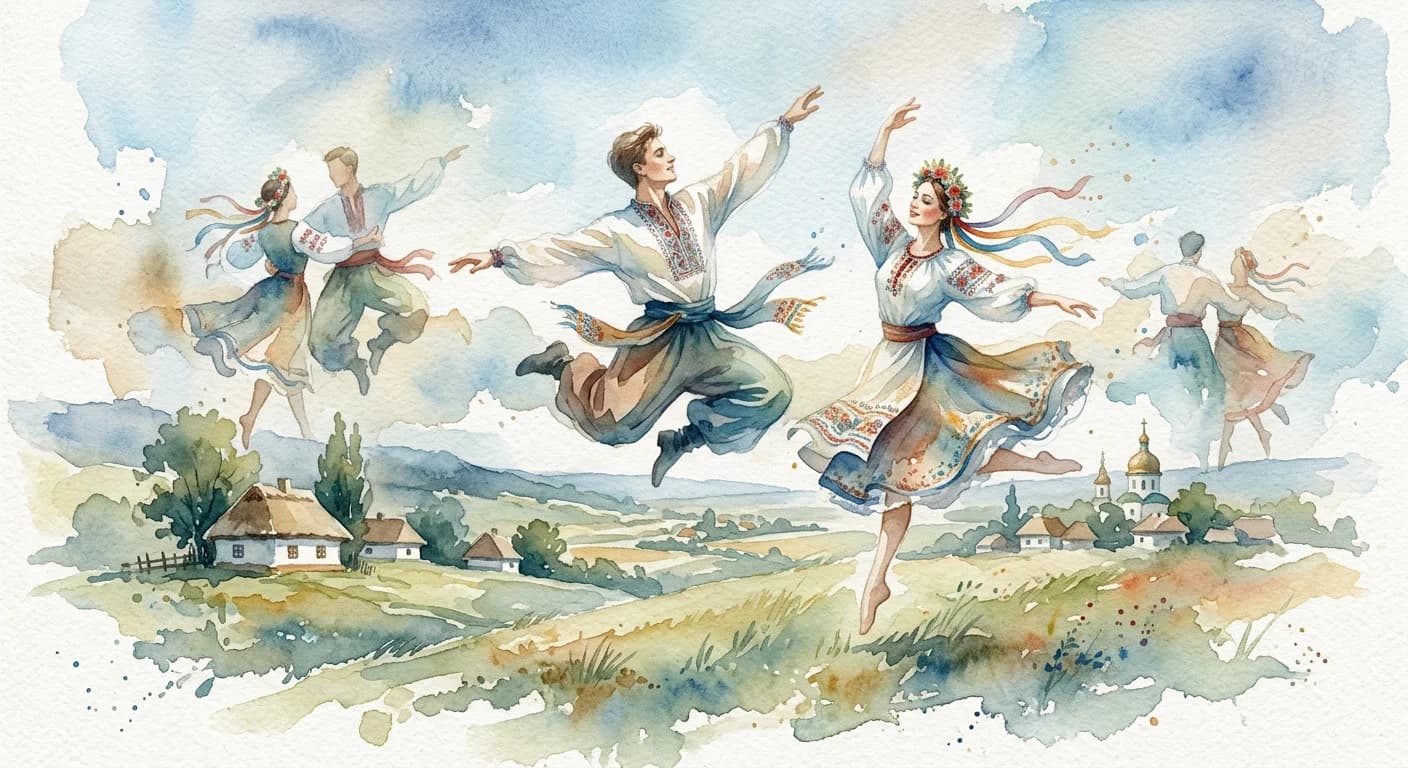
    Artistic representation of Hopak
    Ukrainian•
    🇺🇦Ukraine

    Hopak

    /hoh-PAHK/

    Meaning

    Hopak is the electrifying soul of Ukrainian folk dance, a whirlwind of athletic prowess and unbridled joy. It's characterized by gravity-defying leaps, agile spins, and powerful squats, often performed by men who showcase their strength and improvisational flair. More than mere steps, Hopak is a vivid expression of Ukrainian defiance, resilience, and a deep-seated love for freedom, bursting forth in spectacular movement and spirited music.

    Literal Translation

    The etymology is debated, but it is often linked to the verb 'hopaty,' meaning 'to jump' or 'to leap.'

    The Story Behind the Word

    The Hopak's roots are deeply entwined with the history of the Zaporozhian Cossacks, legendary warriors and defenders of Ukraine's freedom. Originating as an improvisational, celebratory dance performed by Cossacks after victorious battles, it allowed them to display their martial prowess, agility, and camaraderie. This heritage imbues the Hopak with a profound sense of national pride and an unyielding spirit. It embodies the Ukrainian character: robust, resilient, and fiercely independent, capable of both lighthearted revelry and steadfast resistance. The dance's very existence, flourishing through centuries of foreign rule and suppression, testifies to an enduring cultural identity that finds its voice and power in vibrant, collective expression.

    Experience It

    Festival Grand Finale

    As the folk festival reached its crescendo, the stage erupted with the thunderous energy of the Hopak. The male dancers, adorned in embroidered shirts, launched into breathtaking leaps and intricate footwork, their movements perfectly synchronized yet brimming with individual improvisations, igniting the crowd with a shared sense of national pride and exhilaration.

    Wedding Celebration

    During the wedding reception, the band struck up a lively tune, and suddenly, the groom, along with several male guests, burst into an impromptu Hopak. Their joyful, slightly competitive display of high kicks and squats filled the hall with laughter and applause, symbolizing the vibrant spirit and enduring traditions uniting the families.

    The Deeper Meaning

    Hopak embodies a philosophy of vitalism and defiant joy. It suggests that even in hardship, the human spirit can find expression through robust, uninhibited movement, turning physical prowess into a celebration of life and freedom. It's a testament to the power of cultural expression as a form of resistance and an affirmation of identity against all odds.

    Did You Know?

    Historically, Cossacks would perform Hopak not just for celebration, but also as a form of combat training, honing their agility and footwork for battle.

    How It's Used

    Typically performed by professional dance ensembles and amateur groups during folk festivals, national holidays, and cultural events. It's also incorporated into theatrical performances and weddings.

    Emotions
    belonging,joy,pride
    Contexts
    celebration,greeting,seasons
    🇺🇦Ukraine

    by Sofia Rossi·Written Mar 10, 2026·Updated Apr 3, 2026

    Related Words

    Explore more
    HyggeDanish

    Hygge is more than mere coziness; it's a holistic embrace of comfort, warmth, and belonging that nourishes the soul. It describes the intentional creation of an intimate atmosphere where simple pleasures, genuine connection, and mindful presence converge, fostering a profound sense of contentment and well-being. It's about finding joy and peace in the small, everyday moments, often shared with loved ones.

    SaudadePortuguese

    Saudade encapsulates a profound, melancholic longing for something or someone cherished that is absent, often with the bittersweet knowledge that it may never return. It's a deep emotional state tinged with nostalgia, evoking a sense of loss for past experiences, places, or people, yet also holding a tender appreciation for the beauty of what once was. This yearning is not merely sadness, but a complex tapestry of desire, memory, and a poignant acceptance of absence, holding the beloved in a warm, persistent embrace within the heart.

    GezelligDutch

    Gezellig encapsulates a profound sense of warmth, belonging, and convivial comfort, extending beyond mere coziness to embrace the social and emotional atmosphere. It's the feeling of being truly at ease, surrounded by good company, laughter, and a shared sense of contentment. This untranslatable term describes not just a physical space, but a holistic experience where time seems to slow down, fostering genuine connection and a deep sense of well-being.

    Dolce far nienteItalian

    Dolce far niente captures the profound joy and effortless pleasure derived from simply existing without obligation or purpose. It's the art of savoring moments of pure, unadulterated idleness – lying in the sun, watching the clouds drift, or enjoying a leisurely coffee – not as a break from work, but as a valuable state in itself. This 'sweetness of doing nothing' is a conscious embrace of stillness and contentment, allowing the soul to breathe and the senses to fully engage with the present.