U.
HomeRegionsLanguagesEmotionsCollections
Find Your Word

“The limits of my language mean the limits of my world.”

— Ludwig Wittgenstein, Philosopher

Untranslatable

A curated collection of the world's most beautiful expressions—words that remind us language is humanity's greatest invention.

  • Home
  • Collections
  • Regions
  • Countries
  • Emotions
  • Tags
  • Contexts
  • Finder
  • Europe
  • Asia
  • Americas
  • Africa
  • Middle East
  • About
  • Contact
  • Privacy Policy
  • Terms of Service

2026 © Untranslatable. All rights reserved.

    /
    /
    1. Home
    2. /
    3. Europe
    4. /
    5. Dolya
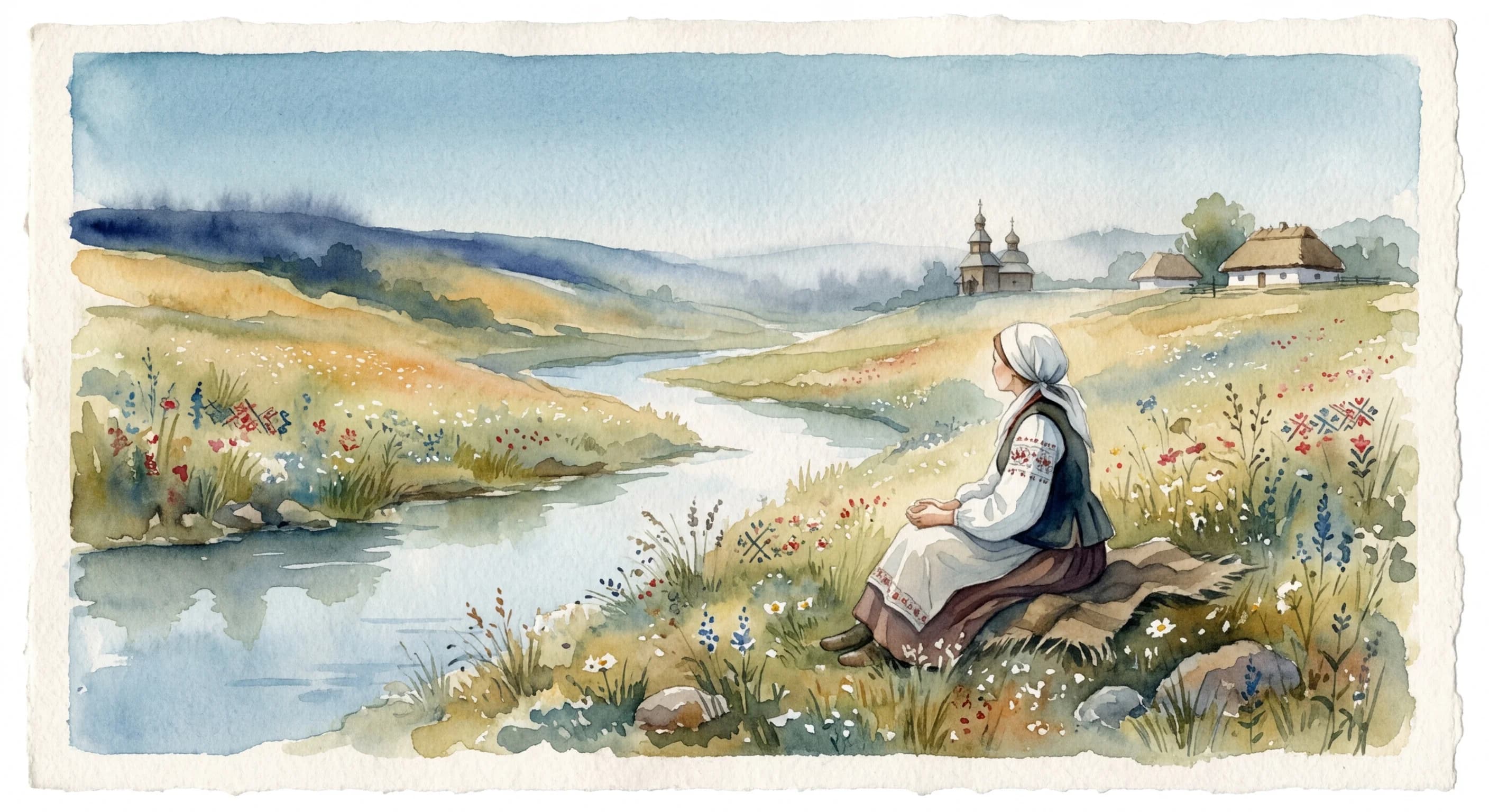
    Artistic representation of Dolya
    Ukrainian•
    🇧🇬Bulgaria🇷🇺Russia🇺🇦Ukraine

    Dolya

    /DOL-yah/

    Meaning

    Dolya encapsulates one's predestined life path, a unique 'portion' or 'share' of existence that combines both the fated and the individually experienced. It's not merely a passive acceptance of destiny, but an active engagement with the specific blend of joys, sorrows, triumphs, and trials that are uniquely assigned to an individual. This concept suggests a profound understanding that while personal choices matter, the overarching trajectory and the fundamental 'lot' one receives are shaped by forces beyond immediate control, demanding both resilience and introspection.

    Literal Translation

    portion, share, fate

    The Story Behind the Word

    The concept of 'dolya' is deeply embedded in Ukrainian folk tradition, literature, and worldview, reflecting a history often marked by hardship, foreign domination, and resilience. It stems from a pre-Christian animistic belief in a personal spirit or deity that assigned one's fate at birth, later merging with Christian notions of divine providence. This word exists because it provides a framework for understanding and processing life's inherent unpredictability and often harsh realities. It reveals a culture that values endurance, recognizes the limits of individual agency, and finds meaning in navigating a predetermined, yet intensely personal, journey. 'Dolya' is often personified in folklore as a benevolent or malevolent figure, further emphasizing its potent influence on human life.

    Experience It

    Accepting Life's Path

    After losing his family home to conflict, Ivan sighed, looking at the rubble. 'Such is my dolya,' he murmured, not as a surrender, but as an acknowledgment of the heavy burden life had placed upon him, resolving to rebuild despite the immense challenge.

    A Fortunate Turn

    When Oksana unexpectedly won the lottery, her grandmother smiled knowingly. 'Your dolya has finally turned to sunshine, my dear,' she said, implying that this stroke of luck was not random, but a destined moment of fortune in Oksana's life journey.

    The Deeper Meaning

    Dolya offers a profound philosophical lens through which Ukrainians view self-determination versus fate. It suggests a world where individual effort is important, but ultimately operates within a larger, pre-ordained framework. This perspective fosters a sense of resilience and acceptance, acknowledging that while one can strive, the fundamental 'portion' of life's experiences is a given, requiring adaptation rather than constant struggle against the inevitable. It balances agency with a deeper cosmic understanding.

    Did You Know?

    In Ukrainian folklore, 'Dolya' is sometimes personified as a young woman who spins the thread of a person's life, determining their fortune from birth.

    How It's Used

    Used in everyday conversation to discuss one's life path, personal circumstances, or the general lot of a person or group. It can be used in both positive and negative contexts, reflecting on one's fortune or misfortune.

    Emotions
    acceptance,hope,melancholy
    Contexts
    daily life,family,personal growth
    🇧🇬Bulgaria🇷🇺Russia🇺🇦Ukraine

    by Anya Petrova·Written Mar 10, 2026·Updated Apr 3, 2026

    Related Words

    Explore more
    HyggeDanish

    Hygge is more than mere coziness; it's a holistic embrace of comfort, warmth, and belonging that nourishes the soul. It describes the intentional creation of an intimate atmosphere where simple pleasures, genuine connection, and mindful presence converge, fostering a profound sense of contentment and well-being. It's about finding joy and peace in the small, everyday moments, often shared with loved ones.

    SaudadePortuguese

    Saudade encapsulates a profound, melancholic longing for something or someone cherished that is absent, often with the bittersweet knowledge that it may never return. It's a deep emotional state tinged with nostalgia, evoking a sense of loss for past experiences, places, or people, yet also holding a tender appreciation for the beauty of what once was. This yearning is not merely sadness, but a complex tapestry of desire, memory, and a poignant acceptance of absence, holding the beloved in a warm, persistent embrace within the heart.

    GezelligDutch

    Gezellig encapsulates a profound sense of warmth, belonging, and convivial comfort, extending beyond mere coziness to embrace the social and emotional atmosphere. It's the feeling of being truly at ease, surrounded by good company, laughter, and a shared sense of contentment. This untranslatable term describes not just a physical space, but a holistic experience where time seems to slow down, fostering genuine connection and a deep sense of well-being.

    Dolce far nienteItalian

    Dolce far niente captures the profound joy and effortless pleasure derived from simply existing without obligation or purpose. It's the art of savoring moments of pure, unadulterated idleness – lying in the sun, watching the clouds drift, or enjoying a leisurely coffee – not as a break from work, but as a valuable state in itself. This 'sweetness of doing nothing' is a conscious embrace of stillness and contentment, allowing the soul to breathe and the senses to fully engage with the present.