U.
HomeRegionsLanguagesEmotionsCollections
Find Your Word

“The limits of my language mean the limits of my world.”

— Ludwig Wittgenstein, Philosopher

Untranslatable

A curated collection of the world's most beautiful expressions—words that remind us language is humanity's greatest invention.

  • Home
  • Collections
  • Regions
  • Countries
  • Emotions
  • Tags
  • Contexts
  • Finder
  • Europe
  • Asia
  • Americas
  • Africa
  • Middle East
  • About
  • Contact
  • Privacy Policy
  • Terms of Service

2026 © Untranslatable. All rights reserved.

    /
    /
    1. Home
    2. /
    3. Europe
    4. /
    5. Sokil
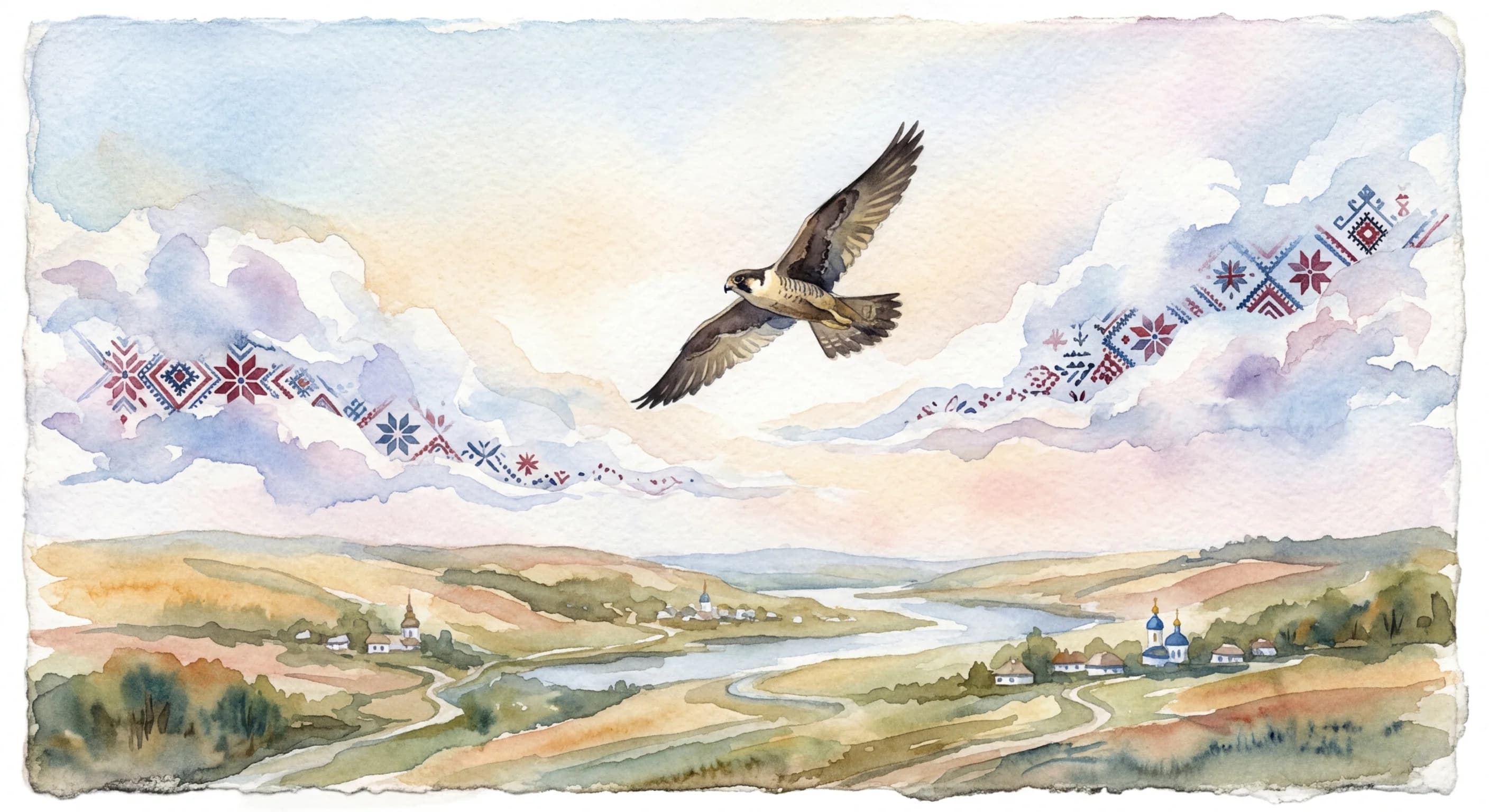
    Artistic representation of Sokil
    Ukrainian•
    🇺🇦Ukraine

    Sokil

    /SO-keel/

    Meaning

    While literally translating to 'falcon,' 'Sokil' transcends its ornithological definition to embody a vibrant symbol of Ukrainian national spirit. It evokes the powerful image of a majestic bird soaring freely and swiftly, representing an unwavering aspiration for independence and the indomitable resilience of the Ukrainian people. This term is deeply woven into the fabric of Ukrainian folklore, poetry, and historical narratives, signifying a profound yearning for liberty and steadfastness in the face of adversity, resonating deeply within the national consciousness.

    Literal Translation

    falcon

    The Story Behind the Word

    The 'Sokil' has been a potent emblem in Ukrainian culture for centuries, predating modern nationalism. Its association with freedom and martial prowess stems from the historical role of falcons in hunting and warfare, making it a natural fit for Cossack imagery and later, nationalist movements. The Sokol (Sokil) gymnastic societies, originating in the late 19th century, further cemented its status as a symbol of physical and national strength, discipline, and the pursuit of independence from foreign domination. It reflects a cultural worldview that values self-determination, courage, and a deep connection to the natural landscape, where the free-flying falcon epitomizes an ideal state of being for the nation.

    Experience It

    Inspiring National Unity

    During a period of national struggle, a speaker passionately declared, 'Let us rise like the Sokil, swift and unwavering, to claim our destiny!' The crowd, moved by the powerful imagery, felt a surge of collective strength and resolve.

    Remembering Heroes

    A monument dedicated to fallen heroes depicted a stylized Sokil spreading its wings over a battlefield. It served as a poignant reminder that their sacrifice was for the freedom and soaring spirit represented by the bird.

    The Deeper Meaning

    The 'Sokil' embodies a core Ukrainian philosophical ideal: the inherent right to self-determination and the relentless pursuit of freedom. It suggests that true national identity is not merely geographical but spiritual, characterized by an unyielding will to overcome suppression and to achieve a state of unburdened, majestic existence, much like the falcon in flight.

    Did You Know?

    The 'Sokil' name was adopted by a major Ukrainian nationalist organization in the early 20th century, emphasizing its connection to physical and spiritual liberation.

    How It's Used

    Used as a national symbol, in sports teams (e.g., FC Sokil Lviv), and in historical contexts referring to Ukrainian nationalist movements.

    Emotions
    belonging,hope,pride
    Contexts
    daily life,history
    🇺🇦Ukraine

    by Annelise Dubois·Written Mar 10, 2026·Updated Apr 3, 2026

    Related Words

    Explore more
    HyggeDanish

    Hygge is more than mere coziness; it's a holistic embrace of comfort, warmth, and belonging that nourishes the soul. It describes the intentional creation of an intimate atmosphere where simple pleasures, genuine connection, and mindful presence converge, fostering a profound sense of contentment and well-being. It's about finding joy and peace in the small, everyday moments, often shared with loved ones.

    SaudadePortuguese

    Saudade encapsulates a profound, melancholic longing for something or someone cherished that is absent, often with the bittersweet knowledge that it may never return. It's a deep emotional state tinged with nostalgia, evoking a sense of loss for past experiences, places, or people, yet also holding a tender appreciation for the beauty of what once was. This yearning is not merely sadness, but a complex tapestry of desire, memory, and a poignant acceptance of absence, holding the beloved in a warm, persistent embrace within the heart.

    GezelligDutch

    Gezellig encapsulates a profound sense of warmth, belonging, and convivial comfort, extending beyond mere coziness to embrace the social and emotional atmosphere. It's the feeling of being truly at ease, surrounded by good company, laughter, and a shared sense of contentment. This untranslatable term describes not just a physical space, but a holistic experience where time seems to slow down, fostering genuine connection and a deep sense of well-being.

    Dolce far nienteItalian

    Dolce far niente captures the profound joy and effortless pleasure derived from simply existing without obligation or purpose. It's the art of savoring moments of pure, unadulterated idleness – lying in the sun, watching the clouds drift, or enjoying a leisurely coffee – not as a break from work, but as a valuable state in itself. This 'sweetness of doing nothing' is a conscious embrace of stillness and contentment, allowing the soul to breathe and the senses to fully engage with the present.