U.
HomeRegionsLanguagesEmotionsCollections
Find Your Word

“The limits of my language mean the limits of my world.”

— Ludwig Wittgenstein, Philosopher

Untranslatable

A curated collection of the world's most beautiful expressions—words that remind us language is humanity's greatest invention.

  • Home
  • Collections
  • Regions
  • Countries
  • Emotions
  • Tags
  • Contexts
  • Finder
  • Europe
  • Asia
  • Americas
  • Africa
  • Middle East
  • About
  • Contact
  • Privacy Policy
  • Terms of Service

2026 © Untranslatable. All rights reserved.

    /
    /
    1. Home
    2. /
    3. Europe
    4. /
    5. Zasivna
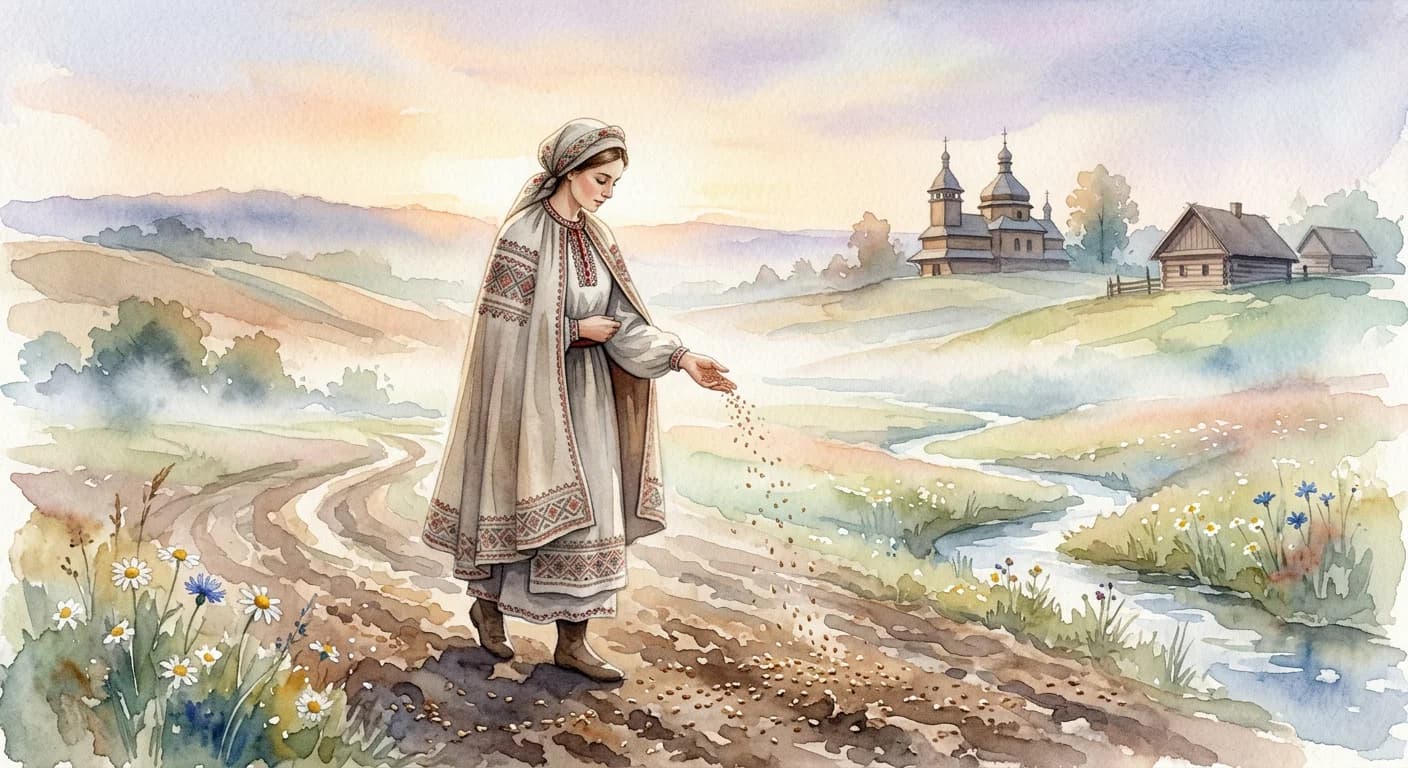
    Artistic representation of Zasivna
    Ukrainian•
    🇺🇦Ukraine

    Zasivna

    /zah-SEE-vnah/

    Meaning

    Zasivna refers to the deeply revered Ukrainian tradition of sowing seeds on the first day of spring, a ritual far transcending mere agriculture. It embodies a profound invocation of prosperity, fertility, and a bountiful harvest, connecting the community to the earth's regenerative power. This ancient custom is saturated with hope, representing a vibrant fresh start, the triumph of life over winter's dormancy, and the promise of sustenance for the year ahead. It's a celebration of nature's cyclical renewal, infused with collective anticipation and optimism.

    Literal Translation

    sowing

    The Story Behind the Word

    Zasivna is a cornerstone of Ukrainian agrarian culture, predating Christianity and rooted in ancient Slavic pagan beliefs. It reflects a worldview intrinsically linked to the land and the rhythms of nature, where successful harvests were not just economic necessities but existential assurances. The act of sowing was often accompanied by specific prayers, songs, and even symbolic offerings to ensure the benevolence of the earth spirits. This tradition reveals a profound respect for the soil as a life-giver and a deep understanding of humanity's interdependence with the natural world. It underscores the Ukrainian people's resilience and their enduring faith in renewal, a sentiment that has permeated their history and identity, even through periods of immense hardship. The word itself encapsulates generations of collective hope and a spiritual bond with the earth.

    Experience It

    Village First Sowing

    As the first rays of spring sun warmed the thawed earth, old Baba Oksana carefully scattered the consecrated grain across her field. Her grandchildren, wide-eyed, watched her murmur ancient prayers, understanding that this Zasivna wasn't just about planting, but about inviting abundance into their lives.

    Urban Zasivna Echo

    Even in the bustling city, Maria felt the pull of Zasivna. She carefully planted sunflower seeds in her small balcony pot, a quiet, personal ritual. It was her way of acknowledging the spring's promise, a small act of hope and connection to her heritage, even without a field to till.

    The Deeper Meaning

    Zasivna unveils a philosophical core of cyclical existence and profound interconnectedness. It posits humanity not as separate from nature, but as an integral participant in its grand cycles of death and rebirth. The act itself is an affirmation of faith in the future, a testament to resilience, and a recognition that effort, hope, and ritual are essential components in coaxing life from the earth.

    Did You Know?

    Traditionally, the first person to perform Zasivna was often a young, pure boy, as it was believed his innocence would guarantee the fertility and abundance of the harvest.

    How It's Used

    This term is used to refer to the specific practice of sowing seeds on the first day of spring, often accompanied by rituals and celebrations.

    Emotions
    belonging,gratitude,hope
    Contexts
    celebration,nature,seasons
    🇺🇦Ukraine

    by Anya Petrova·Written Mar 10, 2026·Updated Apr 3, 2026

    Related Words

    Explore more
    HyggeDanish

    Hygge is more than mere coziness; it's a holistic embrace of comfort, warmth, and belonging that nourishes the soul. It describes the intentional creation of an intimate atmosphere where simple pleasures, genuine connection, and mindful presence converge, fostering a profound sense of contentment and well-being. It's about finding joy and peace in the small, everyday moments, often shared with loved ones.

    SaudadePortuguese

    Saudade encapsulates a profound, melancholic longing for something or someone cherished that is absent, often with the bittersweet knowledge that it may never return. It's a deep emotional state tinged with nostalgia, evoking a sense of loss for past experiences, places, or people, yet also holding a tender appreciation for the beauty of what once was. This yearning is not merely sadness, but a complex tapestry of desire, memory, and a poignant acceptance of absence, holding the beloved in a warm, persistent embrace within the heart.

    GezelligDutch

    Gezellig encapsulates a profound sense of warmth, belonging, and convivial comfort, extending beyond mere coziness to embrace the social and emotional atmosphere. It's the feeling of being truly at ease, surrounded by good company, laughter, and a shared sense of contentment. This untranslatable term describes not just a physical space, but a holistic experience where time seems to slow down, fostering genuine connection and a deep sense of well-being.

    Dolce far nienteItalian

    Dolce far niente captures the profound joy and effortless pleasure derived from simply existing without obligation or purpose. It's the art of savoring moments of pure, unadulterated idleness – lying in the sun, watching the clouds drift, or enjoying a leisurely coffee – not as a break from work, but as a valuable state in itself. This 'sweetness of doing nothing' is a conscious embrace of stillness and contentment, allowing the soul to breathe and the senses to fully engage with the present.