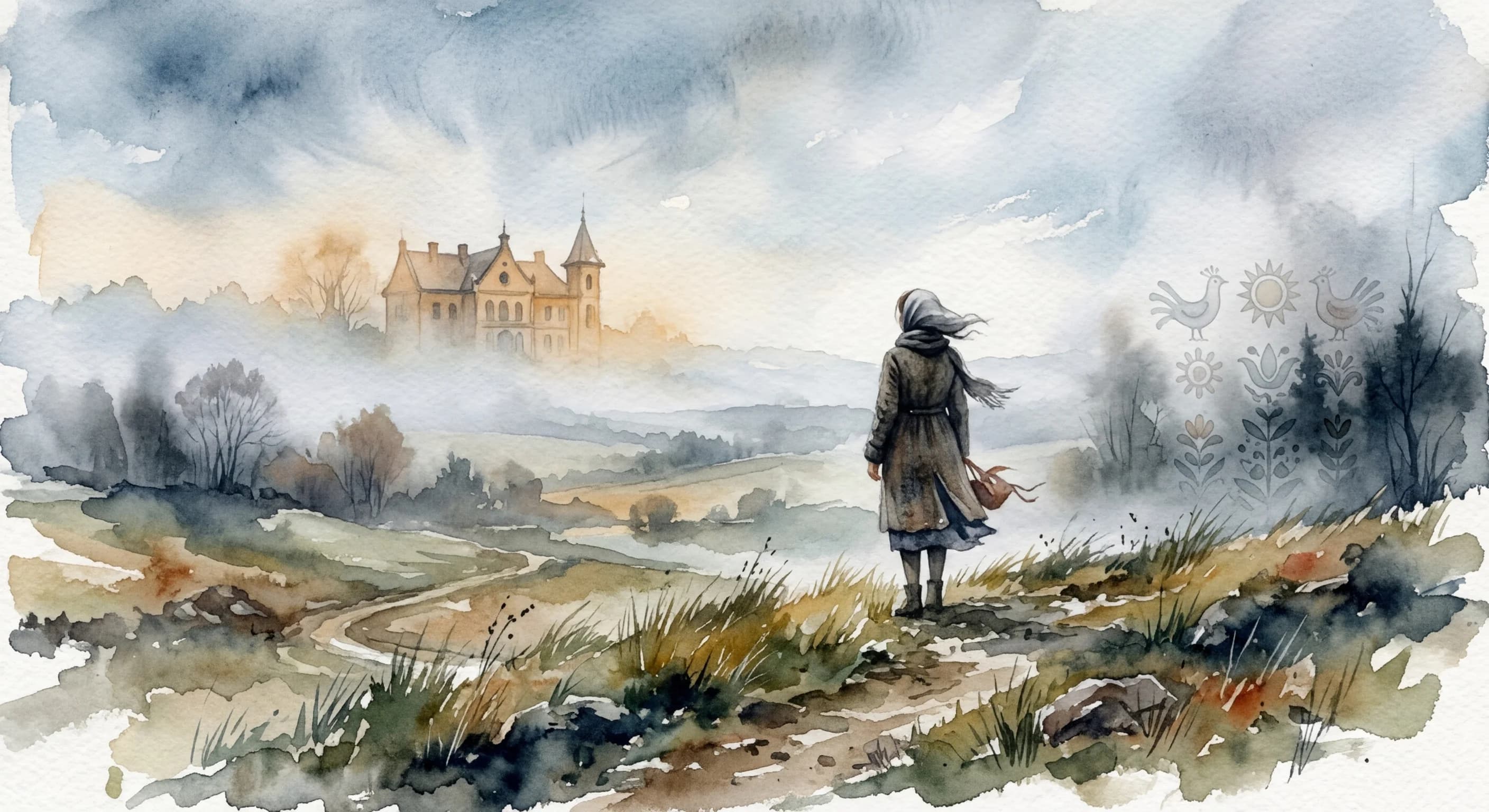
Pagieža
/PAH-gyeh-zhah/
Meaning
Pagieža is a profound, often melancholic yearning for something irretrievably lost or unattainable, particularly a cherished past era, a homeland left behind due to emigration or occupation, or a spiritual state of grace. It's not merely nostalgia, but a complex emotional tapestry woven with wistfulness, a deep-seated ache for roots, and an acute awareness of absence. This feeling speaks to the soul's persistent longing for a time or place where one felt utterly complete and connected, a deep spiritual resonance with what once was but can no longer be.
Literal Translation
n/a
The Story Behind the Word
The existence and resonance of 'pagieža' in Lithuanian culture are deeply intertwined with the nation's tumultuous history, marked by centuries of foreign occupation, forced migrations, and periods of suppressed identity. Lithuanians have often experienced profound disruptions to their sense of continuity and belonging. This word embodies the collective memory of a nation that has frequently yearned for a lost golden age, for sovereignty, and for family members scattered across continents. It reveals a cultural perspective that values deep historical connection, national identity, and a spiritual bond to the land, acknowledging that loss is an inherent part of their historical narrative. 'Pagieža' isn't just an individual emotion; it's a shared cultural lament, a recognition of the enduring impact of historical wounds on the collective psyche and a longing for an idealized, unburdened past.
Experience It
Elder's Homeland Ache
An elderly Lithuanian immigrant, now living in America, gazes at old photographs of his village from before World War II. He feels a profound 'pagieža' for the simple, vibrant life he once knew, knowing that the physical place has changed irrevocably and those days are forever gone, yet his heart aches for its return.
Youth's Ancestral Longing
A young Lithuanian, born after independence, reads tales of pagan rituals and ancient forests. He feels a 'pagieža' for a spiritual connection to the land and an ancestral past that feels distant and almost mythical, a profound longing for a spiritual state of being that predates modern complexities.
The Deeper Meaning
The concept of 'pagieža' reflects a worldview where the past is not merely gone, but an active, yearning presence within the individual and collective consciousness. It suggests a philosophical acceptance of an enduring ache for ideals or realities that can never be fully recovered, implying that true wholeness might forever remain just out of reach, yet the pursuit of that wholeness through memory and longing defines a significant aspect of human experience.
Did You Know?
The persistence of 'pagieža' in the Lithuanian lexicon highlights a cultural resilience, indicating that even in profound loss, the longing for what was, continues to shape identity and memory.
How It's Used
Used to describe a profound, often melancholic yearning for something lost or unattainable, especially a past era or homeland.