U.
HomeRegionsLanguagesEmotionsCollections
Find Your Word

“The limits of my language mean the limits of my world.”

— Ludwig Wittgenstein, Philosopher

Untranslatable

A curated collection of the world's most beautiful expressions—words that remind us language is humanity's greatest invention.

  • Home
  • Collections
  • Regions
  • Countries
  • Emotions
  • Tags
  • Contexts
  • Finder
  • Europe
  • Asia
  • Americas
  • Africa
  • Middle East
  • About
  • Contact
  • Privacy Policy
  • Terms of Service

2026 © Untranslatable. All rights reserved.

    /
    /
    1. Home
    2. /
    3. Europe
    4. /
    5. Apnikums
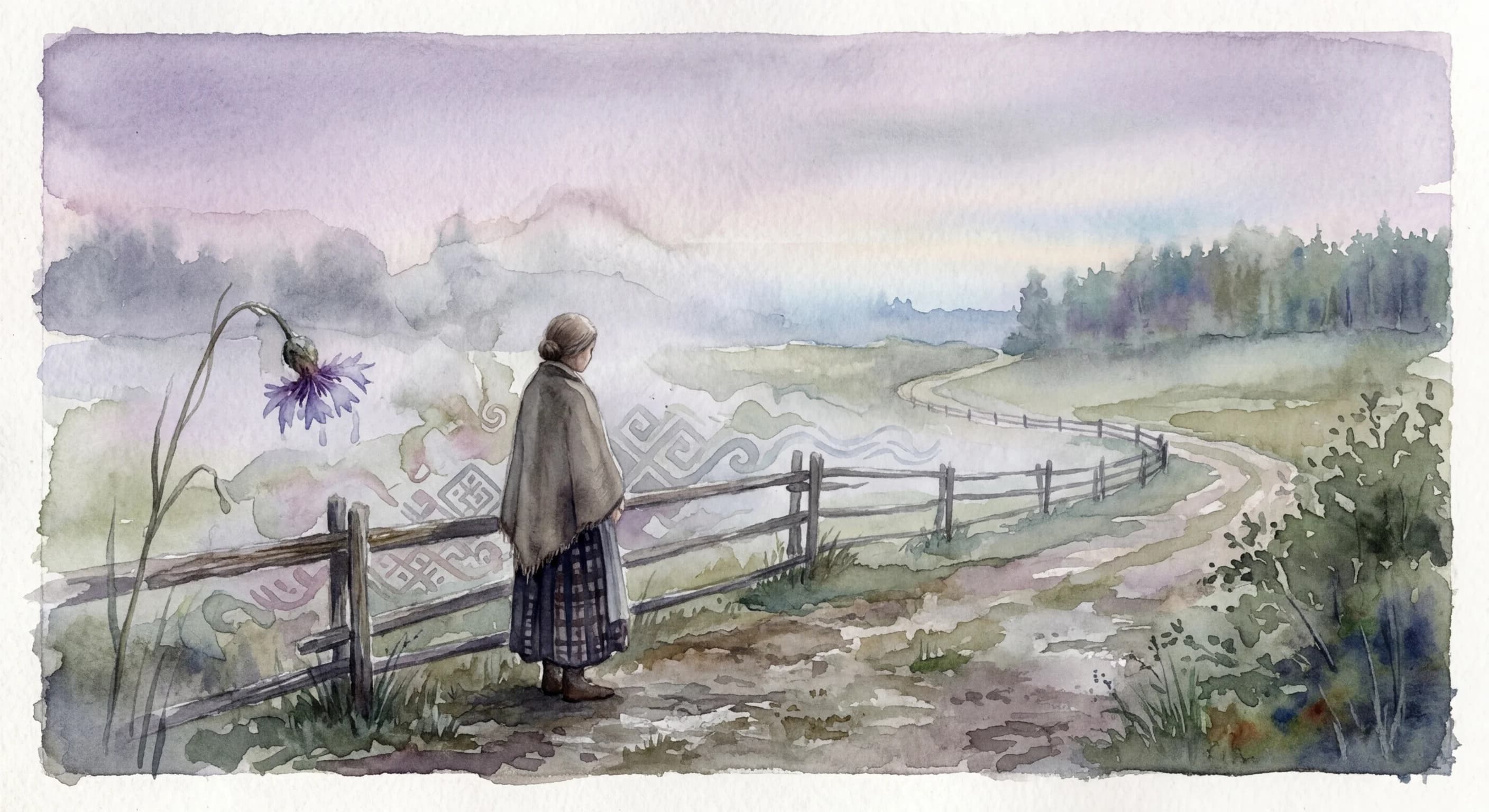
    Artistic representation of apnikums
    Latvian•
    🇱🇻Latvia

    Apnikums

    /AP-nee-kooms/

    Meaning

    Apnikums describes a profound, creeping weariness and subtle irritation that accumulates from persistent, often minor, annoyances. It's not the sudden anger of being bothered, but rather a slow erosion of patience and mental energy, leaving one feeling drained and fed up. This state signifies a deep-seated mental fatigue stemming from a continuous, low-level nuisance, making even simple tasks feel burdensome and dampening one's overall mood and capacity for tolerance.

    Literal Translation

    weariness/annoyance

    The Story Behind the Word

    The existence of "apnikums" in Latvian reflects a cultural appreciation for resilience and a certain stoicism in the face of life's persistent challenges. Latvians, historically navigating various occupations and enduring harsh climates, have developed a nuanced understanding of long-term endurance. "Apnikums" acknowledges that while one might not outwardly complain, the cumulative effect of minor irritations can be deeply exhausting. It speaks to a collective experience of weathering things, recognizing that repetitive, small burdens can erode one's spirit more than a single large event. This word provides a verbal outlet for a shared, often unspoken, feeling of being worn down, offering a sense of communal understanding.

    Experience It

    Dripping Faucet's Lament

    For weeks, the kitchen faucet has had a slow, rhythmic drip. Marta initially ignored it, then tried to fix it, but now, the constant 'plink, plink, plink' has settled into a deep apnikums, making her dread entering the kitchen.

    Endless Bureaucracy

    Jānis has been trying to renew his driver's license for three months, each visit to the office requiring a different form or document. The endless queues and repetitive explanations have brought on a profound apnikums, leaving him utterly drained and frustrated.

    The Deeper Meaning

    Apnikums highlights a profound aspect of human endurance: the often-underestimated power of sustained, minor stressors to erode one's spirit and resilience. It suggests that true weariness isn't always born from monumental challenges, but frequently from the relentless accumulation of small, seemingly insignificant frictions. This concept underscores a philosophy where mental fortitude is constantly tested not by grand battles, but by the myriad 'paper cuts' of daily existence, emphasizing the importance of recognizing and addressing these subtle drains on one's well-being.

    Did You Know?

    While often translated as 'annoyance,' apnikums is distinct from a fleeting irritation; it implies a deeper, more pervasive mental fatigue, similar to how a steady drizzle can soak you more thoroughly than a sudden downpour.

    How It's Used

    Used to describe a state of being fed up, tired of, or mildly irritated by a recurring or persistent nuisance.

    Emotions
    anger,melancholy
    Contexts
    daily life,relaxation,work
    🇱🇻Latvia

    by Annelise Dubois·Written Mar 10, 2026·Updated Apr 3, 2026

    Related Words

    Explore more
    HyggeDanish

    Hygge is more than mere coziness; it's a holistic embrace of comfort, warmth, and belonging that nourishes the soul. It describes the intentional creation of an intimate atmosphere where simple pleasures, genuine connection, and mindful presence converge, fostering a profound sense of contentment and well-being. It's about finding joy and peace in the small, everyday moments, often shared with loved ones.

    SaudadePortuguese

    Saudade encapsulates a profound, melancholic longing for something or someone cherished that is absent, often with the bittersweet knowledge that it may never return. It's a deep emotional state tinged with nostalgia, evoking a sense of loss for past experiences, places, or people, yet also holding a tender appreciation for the beauty of what once was. This yearning is not merely sadness, but a complex tapestry of desire, memory, and a poignant acceptance of absence, holding the beloved in a warm, persistent embrace within the heart.

    GezelligDutch

    Gezellig encapsulates a profound sense of warmth, belonging, and convivial comfort, extending beyond mere coziness to embrace the social and emotional atmosphere. It's the feeling of being truly at ease, surrounded by good company, laughter, and a shared sense of contentment. This untranslatable term describes not just a physical space, but a holistic experience where time seems to slow down, fostering genuine connection and a deep sense of well-being.

    Dolce far nienteItalian

    Dolce far niente captures the profound joy and effortless pleasure derived from simply existing without obligation or purpose. It's the art of savoring moments of pure, unadulterated idleness – lying in the sun, watching the clouds drift, or enjoying a leisurely coffee – not as a break from work, but as a valuable state in itself. This 'sweetness of doing nothing' is a conscious embrace of stillness and contentment, allowing the soul to breathe and the senses to fully engage with the present.