Daina
/DAI-nah/
Meaning
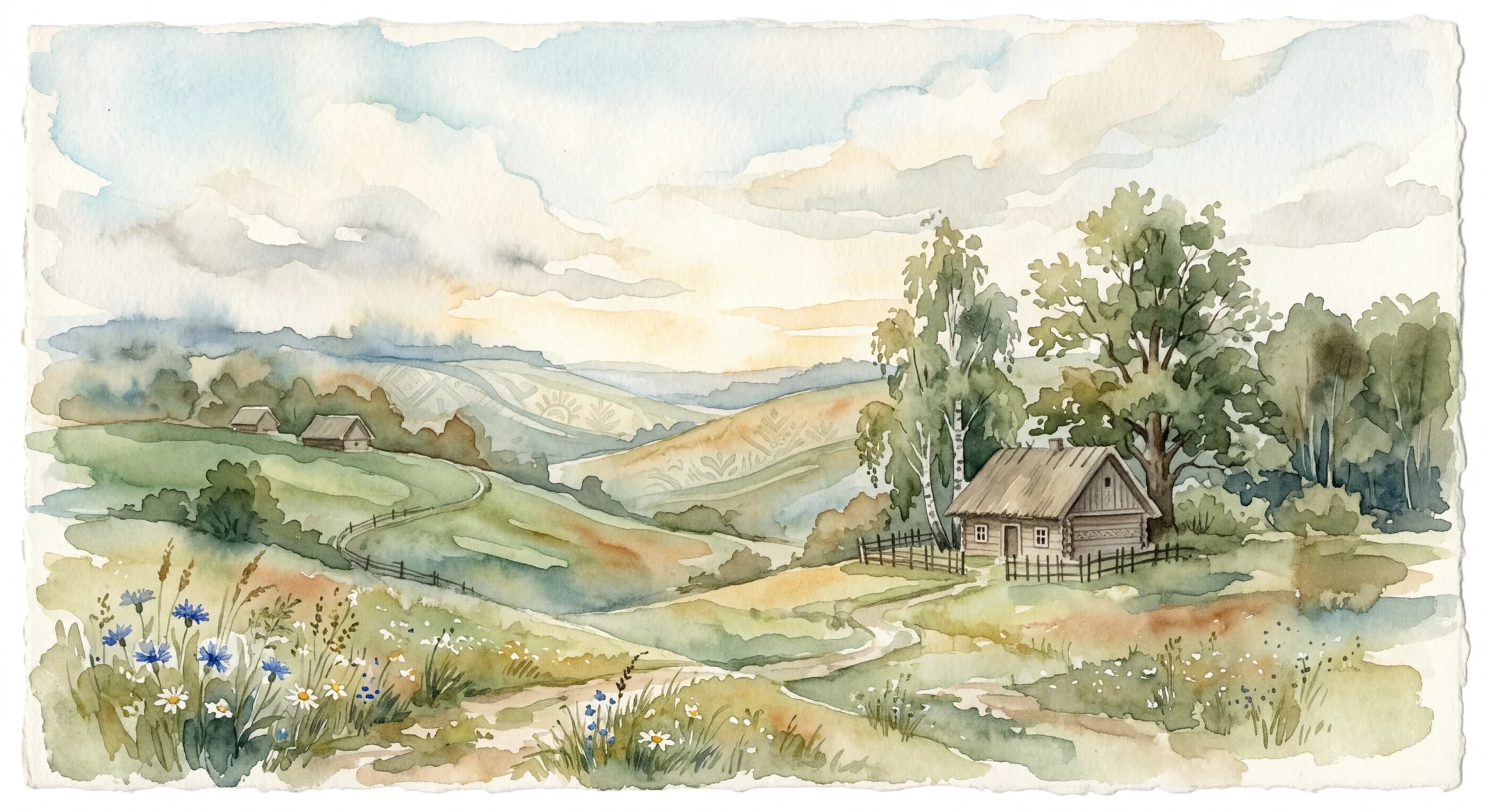
A 'daina' is far more than a simple folk song; it is a profound expression of the Latvian soul, a short, lyrical poem that carries the echoes of generations. These sung verses are vibrant tapestries woven with ancient wisdom, spiritual reverence for nature, and historical narratives, serving as living archives of a people's journey. Each daina, with its unique melody and poignant words, fosters an intimate connection to the land, the rhythm of the seasons, and the enduring cycle of life, embodying a worldview that is both deeply personal and universally resonant.
Literal Translation
folk song
The Story Behind the Word
The 'daina' is foundational to Latvian identity, a testament to a culture that preserved its heritage through oral tradition despite centuries of foreign rule and attempts at assimilation. Their prevalence reflects a deep-seated belief in the power of collective memory and the spiritual connection between humanity and the natural world. Dainas often personify natural elements, depict daily life, celebrate agricultural cycles, and impart moral lessons, showcasing a worldview rooted in harmony and respect for ancestors. They are not merely historical artifacts but living traditions, constantly reinterpreted yet retaining their core essence, symbolizing resilience and the enduring spirit of the Latvian nation. They provided solace, celebrated joys, and guided ethical conduct, serving as a cultural bedrock when other forms of national expression were suppressed.
Experience It
Summer Solstice Celebration
As the Jāņi (Summer Solstice) bonfire crackles, families gather, their voices rising in unison. An elderly woman leads a daina about picking meadow flowers for wreaths, her voice weaving through the twilight, connecting the present generation to the ancient rituals of their ancestors, celebrating the sun's peak and nature's bounty.
Grandmother's Lullaby
In a cozy farmhouse, a grandmother gently rocks her grandchild to sleep, humming a daina. The soft melody tells of a little bird flying home to its nest, instilling a sense of peace, security, and a subtle understanding of the natural world and life's simple comforts from the earliest age.
The Deeper Meaning
The 'daina' embodies a philosophy of continuous connection – to nature, to ancestors, and to the cyclical flow of existence. They reveal a worldview where human life is intrinsically interwoven with the environment, where wisdom is inherited through song, and where even the smallest daily acts are imbued with deeper meaning. This emphasizes a holistic understanding of life, where tradition is not static but a living, breathing guide for navigating the world with grace and resilience.
Did You Know?
Latvian dainas are incredibly numerous; over 1.2 million texts have been collected, making them one of the largest bodies of folk songs in the world, a testament to their deep cultural importance.
How It's Used
Dainas are sung during traditional celebrations, folk festivals, and family gatherings. They are also studied and performed by choirs and folk music ensembles, serving as a vital link to Latvia's heritage.