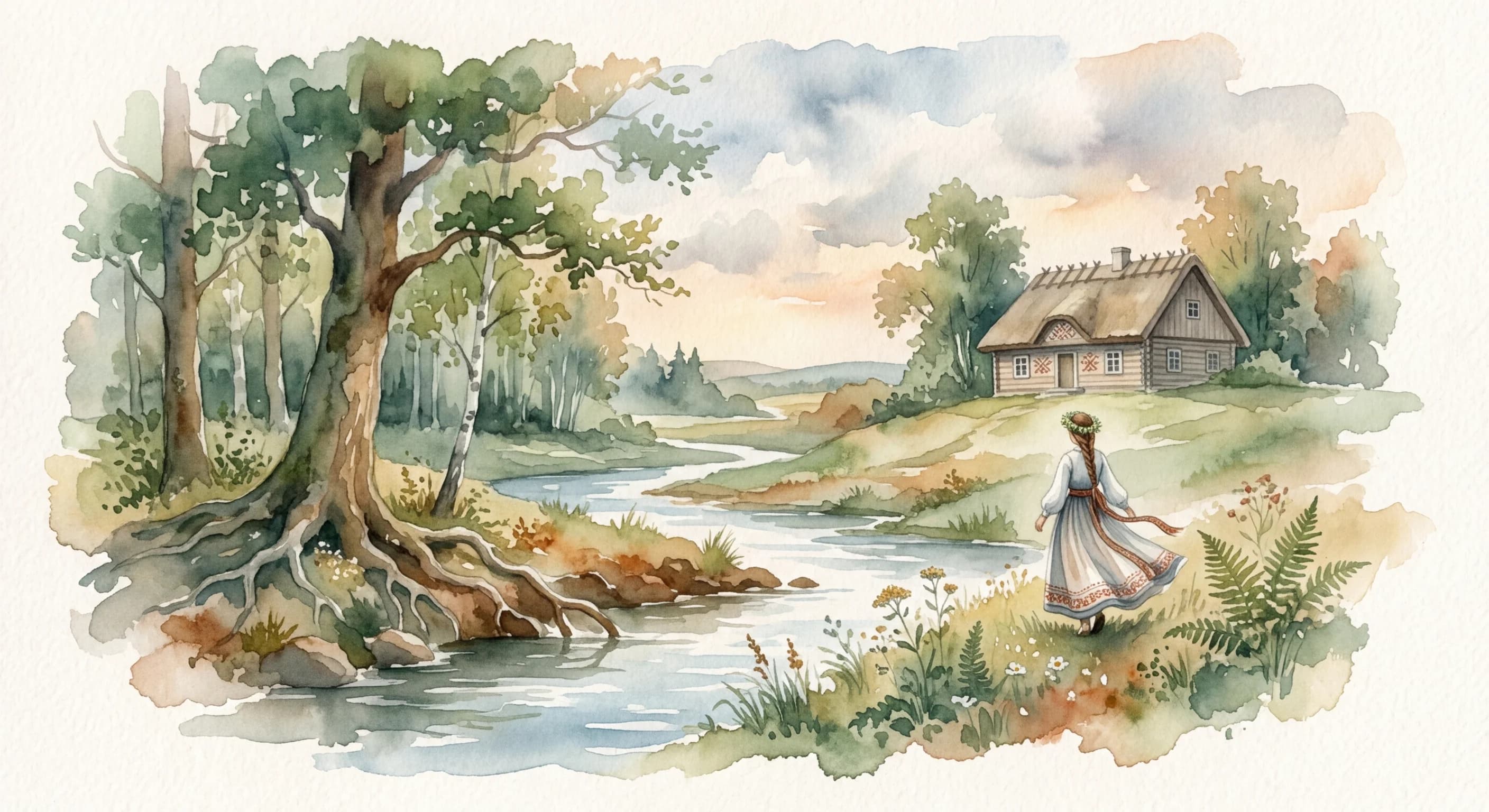
Zintis
/ZIN-tis/
Meaning
Zintis embodies the profound, almost primordial sense of belonging and spiritual tether to Latvia. It's a deep-seated identity rooted in the land, its ancient history, vibrant culture, and resilient people, transcending mere patriotism. This feeling is a comforting awareness of being an intrinsic part of something enduring, a spiritual anchor that remains steadfast even when one is physically distant, shaping one's perspective and actions with an unwavering connection to the ancestral soil.
Literal Translation
There isn't a direct literal translation that captures the full essence. It is derived from the Latvian word 'dzintars' (amber), symbolizing the precious and ancient connection to the land.
The Story Behind the Word
The existence of 'zintis' is deeply intertwined with Latvia's turbulent history, marked by centuries of foreign occupation and persistent struggles for national identity and sovereignty. For Latvians, the land itself became a sacred repository of their culture, language, and spirit, especially when overt national expression was suppressed. 'Zintis' reflects a worldview where identity is not just personal but communal and environmental, rooted in the forests, rivers, and the Baltic Sea. It speaks to a profound reverence for heritage and an understanding that the national soul is preserved not just in institutions, but in the very earth and the collective memory of its people. This word underscores the resilience and deep spiritual connection that has allowed Latvian culture to survive and flourish despite immense pressures.
Experience It
Diaspora's Enduring Pull
A Latvian artist living in New York finds inspiration in the subtle hues of autumn leaves, suddenly transported to the ancient forests of Vidzeme. Despite decades abroad, the 'zintis' within her compels her to weave Latvian folk motifs into her contemporary art, a subconscious homage to her homeland that still resonates deeply.
Defender of Heritage
An elderly farmer in Latgale steadfastly refuses to sell his ancestral land to developers, even for a substantial sum. He explains, 'This soil remembers my grandparents, and their grandparents before them. To sell it would be to sever a piece of my 'zintis'.' He feels a profound duty to protect this connection for future generations.
The Deeper Meaning
Zintis reveals a philosophy where identity is not solely individualistic but is profoundly communal and tied to the natural world. It posits that true belonging transcends geographical proximity, residing in a spiritual inheritance passed down through generations. This concept suggests that human existence is enriched and anchored by an awareness of one's place within an ancient, enduring lineage and a symbiotic relationship with the land itself, fostering a deep sense of responsibility towards heritage and future.
Did You Know?
The word 'zintis' is derived from 'dzintars,' the Latvian word for amber. This connection symbolizes the precious, ancient, and deeply embedded nature of this feeling, much like the fossilized tree resin found abundantly on Latvia's shores.
How It's Used
Used to describe a deep, almost spiritual connection to Latvia, its culture, and its people, often felt by Latvians both within the country and in the diaspora.