Zalktis
/ZALKT-iss/
Meaning
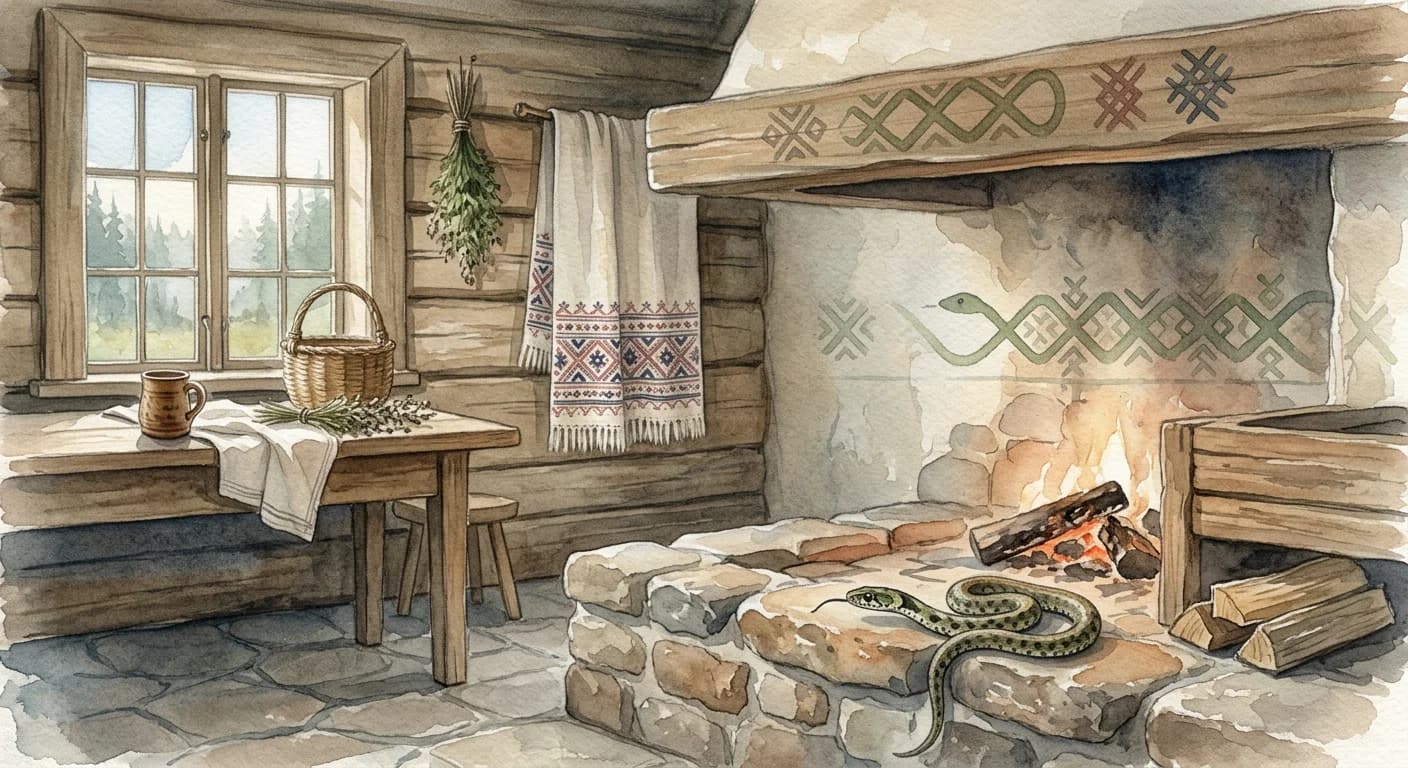
Beyond its literal zoological definition, "zalktis" in Latvian culture refers to the grass snake, revered as a profound protective spirit of the home and hearth. It embodies a serene, watchful presence, deeply associated with good fortune, family prosperity, and the overall well-being of the household. Its appearance is not only unfearful but actively welcomed as a positive omen, signalling that the home is a safe, harmonious, and nurturing sanctuary. This connection instills the word with a sense of ancient, earthy wisdom and a subtle, yet powerful, spiritual guardianship.
Literal Translation
grass snake
The Story Behind the Word
The reverence for the zalktis in Latvian culture stems from ancient Baltic pagan beliefs, where nature was seen as deeply interconnected with human life and imbued with spiritual significance. Unlike many cultures that fear snakes, Latvians historically viewed the zalktis as a benevolent, chthonic deity, a guardian spirit linked to fertility, rebirth, and the ancestral spirits residing within the land. Its presence in or near a home was interpreted as a blessing, a sign that the ancestors were watching over the family and ensuring its prosperity. This belief reflects a worldview where respect for nature is paramount, and the boundaries between the mundane and the sacred are fluid, with everyday creatures holding profound symbolic power. The zalktis embodies a quiet, almost invisible form of protection, emphasizing harmony and balance over overt power.
Experience It
A Home's Silent Guardian
Grandmother Dace smiled softly as she spotted a zalktis basking on the sun-warmed threshold of her old farmhouse. 'The zalktis is watching over us,' she murmured, a sense of peace settling over her. It was a familiar and comforting sign that her home and family were blessed.
A Proverb of Prosperity
During a family gathering, Aunt Elīna shared an old saying: 'Kur zalktis mājā, tur laime klāt!' (Where the zalktis is in the home, there is happiness present!). She explained how her ancestors always believed that a healthy zalktis meant a prosperous harvest and a thriving household, a testament to nature's quiet blessings.
The Deeper Meaning
The concept of 'zalktis' reveals a profound philosophical stance rooted in animism and a deep respect for the natural world. It underscores a worldview where protection and prosperity aren't solely derived from human effort or divine intervention, but from a harmonious coexistence with nature. It suggests that even the most seemingly humble creatures can embody powerful spiritual energy, teaching that true security lies in quiet guardianship and an understanding of the interconnectedness of all life.
Did You Know?
Ancient Latvians would sometimes leave a bowl of milk near the stove for the zalktis, believing it would ensure the snake's continued presence and thus the home's good fortune and protection.
How It's Used
The word 'zalktis' is used to refer to the grass snake in Latvian. Culturally, it is invoked in discussions of folklore, omens, and traditional beliefs about household spirits and protective energies.