U.
HomeRegionsLanguagesEmotionsCollections
Find Your Word

“The limits of my language mean the limits of my world.”

— Ludwig Wittgenstein, Philosopher

Untranslatable

A curated collection of the world's most beautiful expressions—words that remind us language is humanity's greatest invention.

  • Home
  • Collections
  • Regions
  • Countries
  • Emotions
  • Tags
  • Contexts
  • Finder
  • Europe
  • Asia
  • Americas
  • Africa
  • Middle East
  • About
  • Contact
  • Privacy Policy
  • Terms of Service

2026 © Untranslatable. All rights reserved.

    /
    /
    1. Home
    2. /
    3. Europe
    4. /
    5. Māra
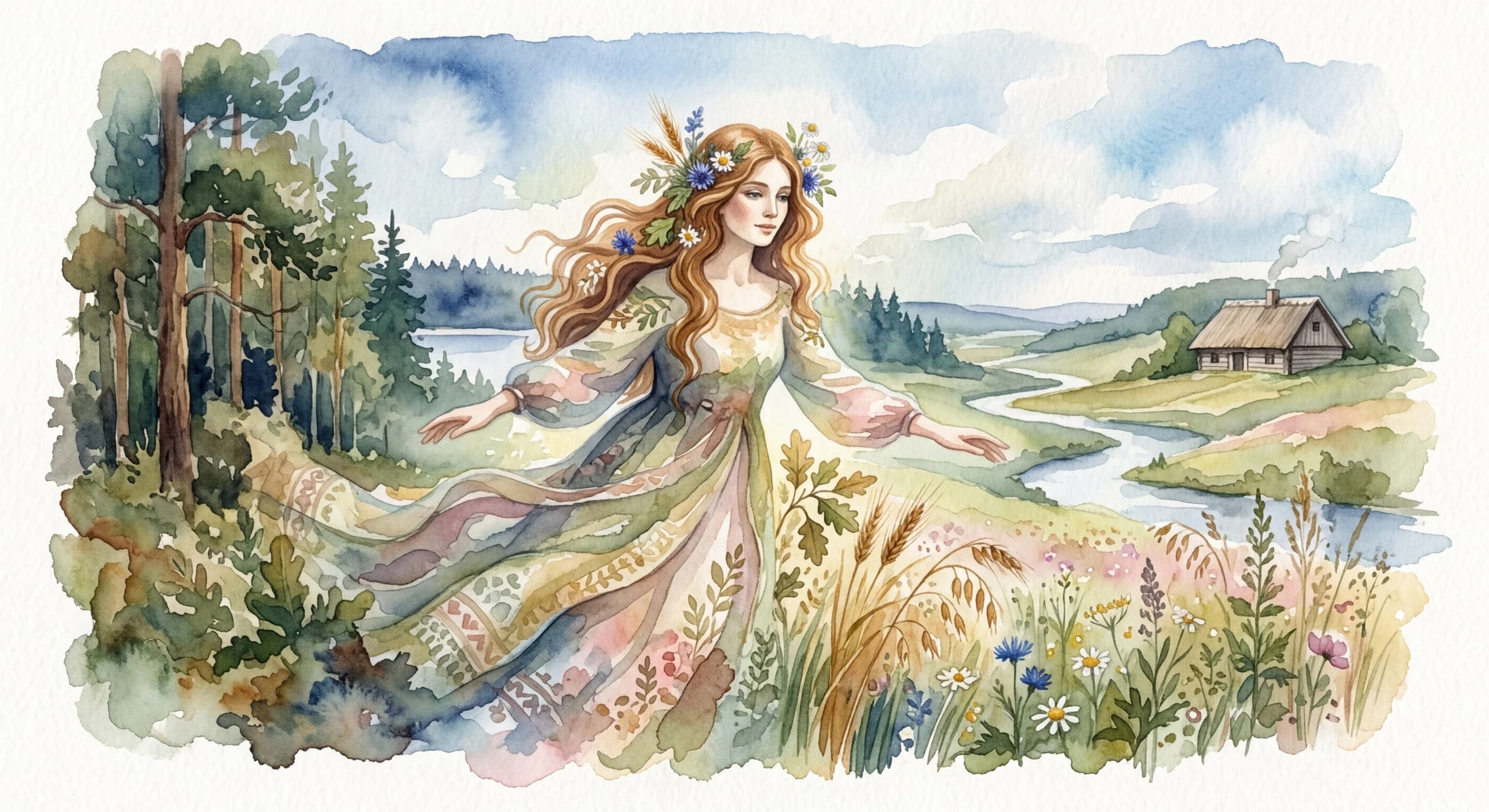
    Artistic representation of Māra
    Latvian•
    🇱🇻Latvia

    Māra

    /MAH-rah/

    Meaning

    Māra embodies the quintessential life-giving force, a nurturing and protective feminine spirit deeply intertwined with the Earth itself. She represents the pulsating rhythms of nature, from the bounty of the harvest to the cyclical renewal of life, and signifies a profound, ancestral connection to the land. This concept evokes an ancient wisdom, reflecting the enduring strength and sustaining power inherent in the natural world, fostering a holistic worldview where humanity is an integral part of the ecosystem.

    Literal Translation

    Earth Mother, Great Mother

    The Story Behind the Word

    Māra is one of the most ancient and revered deities in Latvian mythology, predating Christian influences and reflecting a deep animistic and agricultural heritage. Her existence reveals a worldview where the sacred is immanent in nature, not transcendent. Latvians traditionally saw Māra as the overseer of all earthly domains – fertility, childbirth, livestock, and even death and rebirth. This comprehensive role underscores a profound respect for natural cycles and an understanding of life's interconnectedness. The enduring presence of Māra, both as a mythological figure and a popular given name, illustrates a continuous cultural thread connecting modern Latvians to their pagan ancestors and their ecological roots, emphasizing harmony with the environment over dominion.

    Experience It

    Harvest Festival Blessing

    During the annual Jāņi (Midsummer) celebration, a farmer's wife gently places a wreath of freshly gathered wildflowers on her porch. She whispers, 'Paldies, Māra, par šī gada dāsnumu' (Thank you, Māra, for this year's generosity), acknowledging the Earth Mother's bounty and hoping for continued fertility in the fields and among her family.

    Comfort in Nature

    A young woman, feeling overwhelmed by modern life, walks into a dense forest. Leaning against an ancient oak, she closes her eyes, feeling a deep sense of peace. She reflects, 'This is Māra's embrace, the grounding connection to something ancient and unwavering,' finding solace in the enduring presence of nature.

    The Deeper Meaning

    The concept of Māra reveals a profound eco-centric philosophy, where the Earth is not a resource to be exploited but a living entity, a mother figure deserving of reverence and respect. It underscores the belief that human well-being is intrinsically linked to the health and vitality of the natural world, fostering a sense of stewardship and interconnectedness rather than separation. This worldview promotes harmony with nature as essential for spiritual and physical sustenance.

    Did You Know?

    Māra is sometimes depicted with multiple breasts, symbolizing her immense fertility and capacity to nourish all living things, a primal image of abundance.

    How It's Used

    Used as a feminine given name in Latvia, and also refers to a significant figure in Latvian mythology, often seen as a powerful earth goddess.

    Emotions
    belonging,peace,warmth,wonder
    Contexts
    family,nature,seasons
    🇱🇻Latvia

    by Sofia Rossi·Written Mar 10, 2026·Updated Apr 3, 2026

    Related Words

    Explore more
    HyggeDanish

    Hygge is more than mere coziness; it's a holistic embrace of comfort, warmth, and belonging that nourishes the soul. It describes the intentional creation of an intimate atmosphere where simple pleasures, genuine connection, and mindful presence converge, fostering a profound sense of contentment and well-being. It's about finding joy and peace in the small, everyday moments, often shared with loved ones.

    SaudadePortuguese

    Saudade encapsulates a profound, melancholic longing for something or someone cherished that is absent, often with the bittersweet knowledge that it may never return. It's a deep emotional state tinged with nostalgia, evoking a sense of loss for past experiences, places, or people, yet also holding a tender appreciation for the beauty of what once was. This yearning is not merely sadness, but a complex tapestry of desire, memory, and a poignant acceptance of absence, holding the beloved in a warm, persistent embrace within the heart.

    GezelligDutch

    Gezellig encapsulates a profound sense of warmth, belonging, and convivial comfort, extending beyond mere coziness to embrace the social and emotional atmosphere. It's the feeling of being truly at ease, surrounded by good company, laughter, and a shared sense of contentment. This untranslatable term describes not just a physical space, but a holistic experience where time seems to slow down, fostering genuine connection and a deep sense of well-being.

    Dolce far nienteItalian

    Dolce far niente captures the profound joy and effortless pleasure derived from simply existing without obligation or purpose. It's the art of savoring moments of pure, unadulterated idleness – lying in the sun, watching the clouds drift, or enjoying a leisurely coffee – not as a break from work, but as a valuable state in itself. This 'sweetness of doing nothing' is a conscious embrace of stillness and contentment, allowing the soul to breathe and the senses to fully engage with the present.