Hõllandus
/HULL-uhn-dus/
Meaning
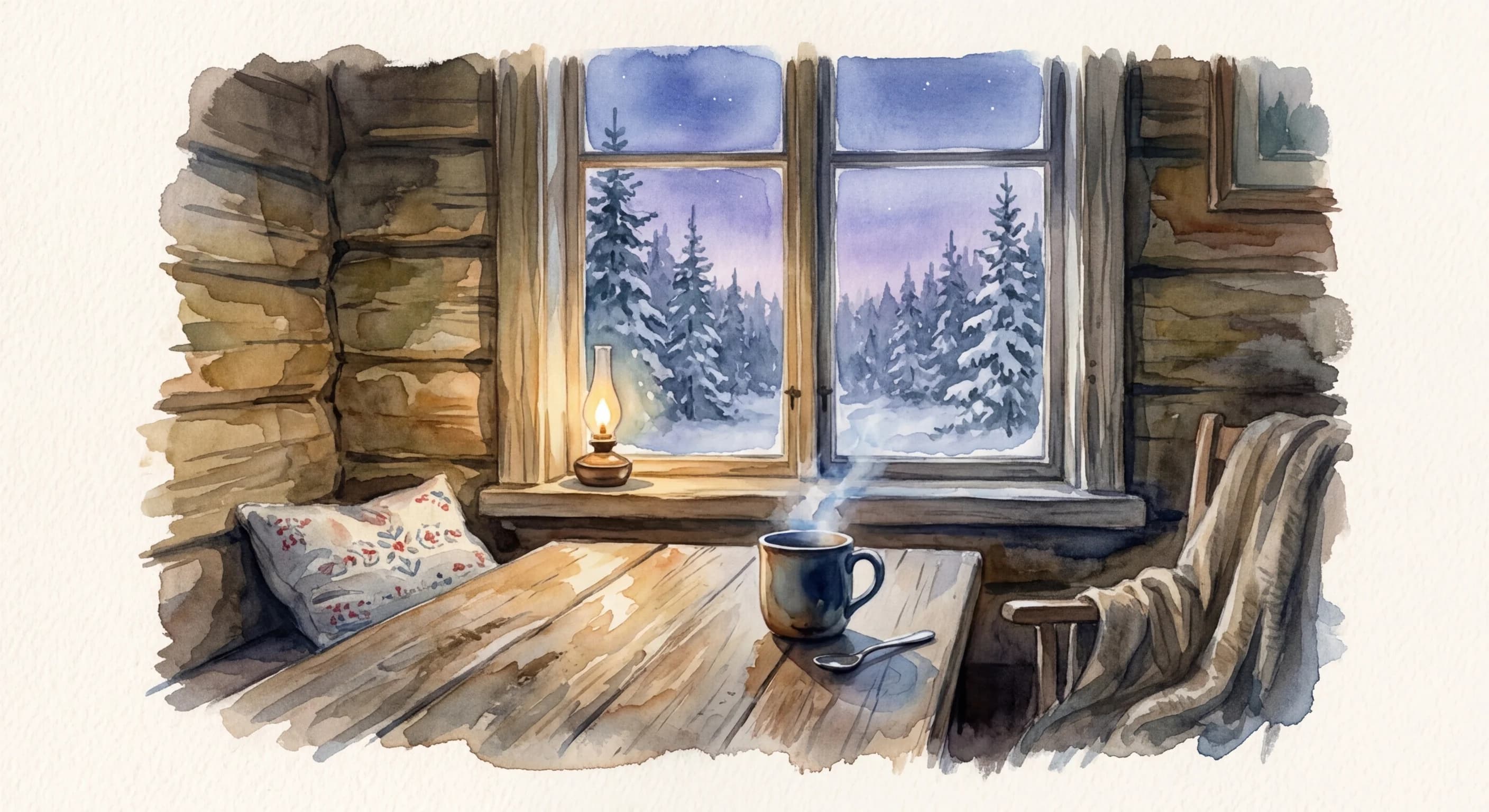
Hõllandus describes a profound, enveloping sense of cozy comfort and tender care, often experienced within the sanctuary of home or during moments of serene relaxation. It transcends mere physical ease, embodying a feeling of being deeply nurtured, cherished, and utterly at peace, akin to being gently rocked in a cradle or wrapped in a soft, warm blanket on a chilly day. This word evokes a deep sense of security and holistic well-being, a transient but perfect state where all feels right with the world, bundling together tactile sensations, emotional contentment, and situational serenity.
Literal Translation
While a direct literal translation is difficult, 'hõllandus' is related to the verb 'hällitama', which means to rock or lull, and 'häll' (cradle), suggesting a sense of being cradled or gently rocked into a state of comfort.
The Story Behind the Word
The existence of 'hõllandus' in Estonian culture speaks volumes about the value placed on inner peace, security, and the sanctity of home, especially given Estonia's historical context of often harsh climates and periods of external hardship. This word reflects a deep-seated need and appreciation for moments of undisturbed warmth and familial closeness, emphasizing a retreat into a cherished personal space. It highlights a worldview where true contentment is found not in grand gestures, but in the quiet, nurturing embrace of one's immediate surroundings and loved ones. The connection to 'hällitama' (to lull) and 'häll' (cradle) also points to a cultural reverence for childhood innocence, protection, and the foundational comfort provided by a caregiver, extending that feeling into adult life as a desired state of being.
Experience It
Winter Evening Hõllandus
Outside, the snow fell silently, blanketing the Estonian landscape. Inside, Mari sat by the crackling fireplace, a cup of warm tea in her hands, her cat purring softly on her lap. The gentle glow, the quiet warmth, and the feeling of being utterly safe and cherished filled her with a deep sense of hõllandus.
Grandmother's Embrace
After a long, tiring journey, young Jaan curled up on his grandmother's old, soft armchair. She gently stroked his hair, humming a forgotten lullaby. In that moment, surrounded by her familiar scent and unconditional love, Jaan felt a profound hõllandus wash over him, melting away all his worries.
The Deeper Meaning
Hõllandus reveals a profound philosophical insight into the Estonian appreciation for internal tranquility and the solace found in simplicity and close bonds. It suggests that true happiness often resides in moments of gentle stillness, security, and being deeply cared for, rather than in external achievements or material possessions. It champions a worldview where vulnerability is met with tender protection, and contentment is an inward state cultivated through a nurturing environment.
Did You Know?
The root 'häll' (cradle) in 'hõllandus' is shared with 'hällilaul' (lullaby), underscoring the word's inherent connection to soothing, nurturing comfort from early childhood.
How It's Used
Used to describe a state of cozy contentment and gentle care, often associated with home, relaxation, and feelings of being nurtured.