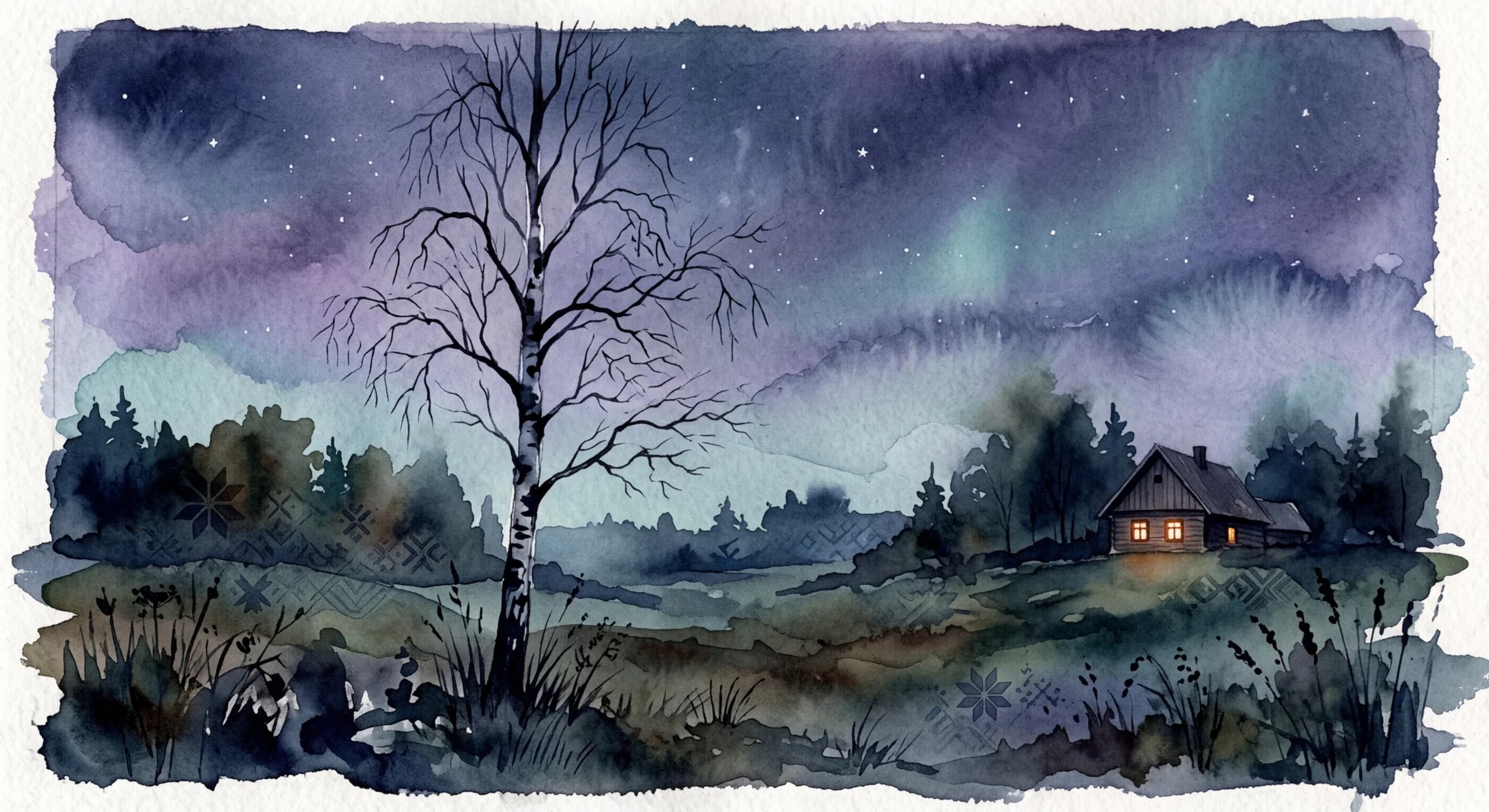
Leil
/LEYL/
Meaning
In Arabic, 'leil' is far more than just the absence of daylight; it embodies a profound atmosphere of quietude, introspection, and often, a touch of melancholy. It's a sacred period where the world's clamor fades, allowing for deeper thoughts, storytelling, and romantic encounters to flourish. This distinct time invites a unique connection with one's inner self and the vast cosmos, setting it apart from a mere temporal designation. 'Leil' is when emotions surface, and the soul finds its truest expression, distinct from the day's practicalities.
Literal Translation
night
The Story Behind the Word
The concept of 'leil' in Arabic culture is deeply intertwined with pre-Islamic poetic traditions and the rhythms of desert life. For nomadic peoples, the night was a time of travel, contemplation, and storytelling around campfires, offering respite from the harsh daytime sun. Islam further sanctified 'leil,' with prayers (like Taraweeh during Ramadan) and spiritual reflection often taking place after sunset. This has fostered a cultural appreciation for the night as a period of spiritual awakening, artistic inspiration, and intimate social bonding. It's a time when community gathers, stories are shared, and the human spirit connects with the divine and the natural world, emphasizing a holistic view of time where each segment holds unique purpose and value.
Experience It
Desert Night Storytelling
Under a blanket of stars in the vast desert, a group gathers. The eldest begins a tale, his voice soft, 'This 'leil' reminds me of the nights my grandfather told me stories of old.' The silence of the night amplifies every word, weaving magic into the air.
A Quiet Contemplation
After a bustling day, Sarah sits on her balcony, gazing at the moon. The peace of the 'leil' washes over her, allowing her to reflect on her day and dream of tomorrow. It's a moment of profound calm, a balm for her soul.
The Deeper Meaning
The word 'leil' reveals a worldview that doesn't merely categorize time but attributes distinct emotional and spiritual qualities to it. It suggests that certain human experiences – introspection, deep connection, creativity – are not merely possible but are *intended* for particular times of day. This reflects a philosophy where the environment, even the temporal environment, profoundly shapes and enables human experience, fostering a deeper, more mindful engagement with the cycles of existence.
Did You Know?
Many classical Arabic love poems and songs specifically reference 'leil' to evoke intense emotions and secret rendezvous, highlighting its romantic significance.
How It's Used
Used in Arabic-speaking cultures to refer to the night, often poetically or when emphasizing the unique qualities of nighttime.