U.
HomeRegionsLanguagesEmotionsCollections
Find Your Word

“The limits of my language mean the limits of my world.”

— Ludwig Wittgenstein, Philosopher

Untranslatable

A curated collection of the world's most beautiful expressions—words that remind us language is humanity's greatest invention.

  • Home
  • Collections
  • Regions
  • Countries
  • Emotions
  • Tags
  • Contexts
  • Finder
  • Europe
  • Asia
  • Americas
  • Africa
  • Middle East
  • About
  • Contact
  • Privacy Policy
  • Terms of Service

2026 © Untranslatable. All rights reserved.

    /
    /
    1. Home
    2. /
    3. Europe
    4. /
    5. Ľútosť
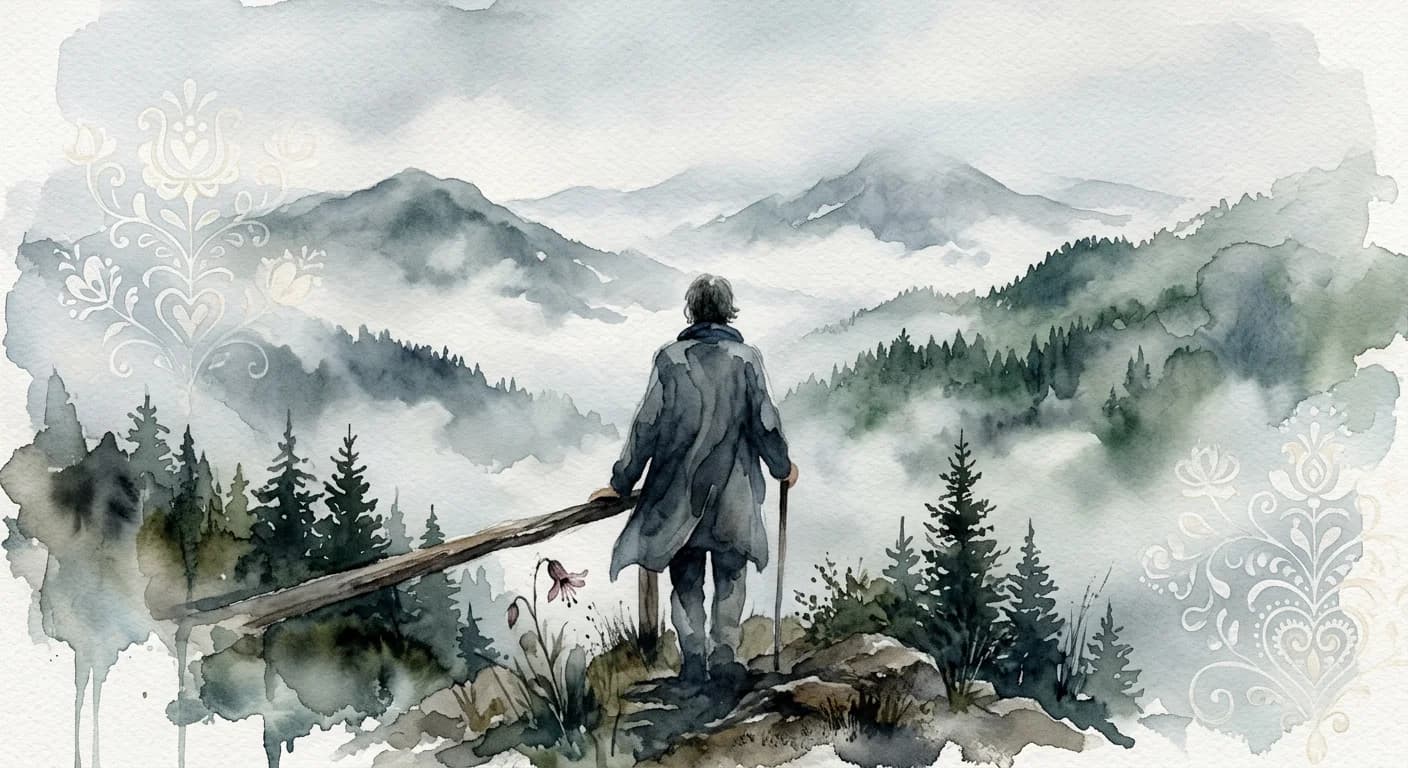
    Artistic representation of Ľútosť
    Slovak•
    🇸🇰Slovakia

    Ľútosť

    /LOO-tos/

    Meaning

    Ľútosť is a profound, often quiet, sorrow and regret, carrying the weight of what might have been. It's more than simple sadness; it's an introspective ache for missed opportunities, past mistakes, or lost connections, tinged with a gentle melancholy. This feeling isn't dramatic but a persistent lament, acknowledging a bittersweet reality where the pain of loss coexists with a strange solace found in memory or lessons learned. It’s a deep, internal sigh for an unrecoverable past.

    Literal Translation

    sorrow, regret, pity

    The Story Behind the Word

    The existence of 'ľútosť' in Slovak culture speaks to a deep-seated appreciation for introspection and a nuanced understanding of human emotion, particularly in relation to the past. Slovakia's history, marked by periods of foreign rule, conflict, and economic hardship, has fostered a collective memory rich with experiences of loss, resilience, and unfulfilled potential. This historical backdrop has likely cultivated a cultural predisposition towards reflecting on 'what could have been,' rather than solely focusing on a triumphant present or future. 'Ľútosť' reflects a worldview that values acknowledging and processing past pains, seeing them not as weaknesses to be overcome quickly, but as integral parts of one's identity and collective memory. It suggests a comfort with melancholy and a recognition that some losses are deeply felt and permanently shape the individual and community, fostering empathy and a reflective spirit.

    Experience It

    Unsent Letter's Regret

    Years after a family disagreement, an old woman finds an unsent letter to her estranged sister. Reading it, a wave of ľútosť washes over her, a quiet ache for the lost years and the unspoken words that could have healed their rift, now forever out of reach.

    Lost Village's Echo

    Standing on the overgrown foundations of his childhood village, flooded for a dam decades ago, the man felt a profound ľútosť. It wasn't just sadness for the loss, but a deep, mournful regret for the vibrant community, the vanished way of life, and the memories now only he carried.

    The Deeper Meaning

    Ľútosť reveals a worldview that embraces the complexity of human experience, acknowledging that life is often a tapestry woven with both joy and profound, lingering sorrow. It suggests a comfort with introspection and a philosophy that recognizes the enduring impact of the past on the present. This word embodies the idea that true wisdom might lie not in forgetting or dismissing pain, but in quietly carrying and learning from the bittersweet echoes of what was, shaping a more empathetic and reflective individual.

    Did You Know?

    Unlike simple regret, 'ľútosť' often implies a sense of compassion or pity for oneself or others caught in the circumstances that led to the sorrow, adding an empathetic layer.

    How It's Used

    Used to describe a deep feeling of regret, sorrow, or melancholy, often in response to past actions, losses, or missed opportunities.

    Emotions
    bittersweet,melancholy,sadness
    Contexts
    farewell,personal growth,solitude
    🇸🇰Slovakia

    by Sofia Rossi·Written Mar 10, 2026·Updated Apr 3, 2026

    Related Words

    Explore more
    HyggeDanish

    Hygge is more than mere coziness; it's a holistic embrace of comfort, warmth, and belonging that nourishes the soul. It describes the intentional creation of an intimate atmosphere where simple pleasures, genuine connection, and mindful presence converge, fostering a profound sense of contentment and well-being. It's about finding joy and peace in the small, everyday moments, often shared with loved ones.

    SaudadePortuguese

    Saudade encapsulates a profound, melancholic longing for something or someone cherished that is absent, often with the bittersweet knowledge that it may never return. It's a deep emotional state tinged with nostalgia, evoking a sense of loss for past experiences, places, or people, yet also holding a tender appreciation for the beauty of what once was. This yearning is not merely sadness, but a complex tapestry of desire, memory, and a poignant acceptance of absence, holding the beloved in a warm, persistent embrace within the heart.

    GezelligDutch

    Gezellig encapsulates a profound sense of warmth, belonging, and convivial comfort, extending beyond mere coziness to embrace the social and emotional atmosphere. It's the feeling of being truly at ease, surrounded by good company, laughter, and a shared sense of contentment. This untranslatable term describes not just a physical space, but a holistic experience where time seems to slow down, fostering genuine connection and a deep sense of well-being.

    Dolce far nienteItalian

    Dolce far niente captures the profound joy and effortless pleasure derived from simply existing without obligation or purpose. It's the art of savoring moments of pure, unadulterated idleness – lying in the sun, watching the clouds drift, or enjoying a leisurely coffee – not as a break from work, but as a valuable state in itself. This 'sweetness of doing nothing' is a conscious embrace of stillness and contentment, allowing the soul to breathe and the senses to fully engage with the present.

    Featured in 1 collection

    💔Words for the Brokenhearted